The United States Is Dropping the $15,000 Visa Bond for World Cup Ticket Holders
Select countries are required to post visa bonds of up to P925,000—but not if they have tickets to this year’s major football tournament.

Published on May 18, 2026
Traveling to the United States for the FIFA World Cup just became a little less complicated for some international fans.
The Trump administration announced that it will waive the controversial visa bond requirement for certain World Cup attendees from 50 countries, provided they already have confirmed match tickets and enrolled in FIFA’s visa appointment system before a specific deadline. According to the BBC, the policy change applies to qualified fans traveling for the tournament, which will be co-hosted by the US, Canada, and Mexico beginning June 11.
The move follows months of concern surrounding the Visa Bond Pilot Program, which required some travelers applying for US tourist visas to pay refundable deposits ranging from $5,000 (approx. P308,000) to $15,000 (P925,000).
US Waives $15,000 Visa Bond for World Cup Ticket Holders
According to the BBC, Assistant Secretary of State for Consular Affairs Mora Namdar confirmed that the US government is waiving visa bonds for “qualified fans who bought World Cup tickets.” FIFA also said the decision reflects ongoing coordination with the White House ahead of the tournament.
The waiver, however, comes with several conditions.
As reported by The New York Times’ The Athletic, the exemption only applies to fans from affected countries who had already purchased World Cup tickets and signed up for FIFA PASS—the organization’s Priority Appointment Scheduling System—by April 15, 2026. FIFA PASS was created to help ticket holders secure visa interview appointments faster in countries where wait times can stretch for months.

That deadline matters because many travelers may not have committed to buying tickets earlier in the year while the bond requirement was still in place. The Athletic reported that fewer than 17,000 people worldwide had signed up for the FIFA PASS system as of this week, suggesting the number of fans who will actually benefit from the waiver could be relatively limited.
The policy change also covers players, coaches, support staff, and immediate family members connected to participating teams. According to The Athletic, FIFA had been in discussions with US officials for months after concerns emerged that athletes from affected countries could also be required to pay the bond in order to enter the country for the tournament.

Still, not every restriction has been lifted. The BBC noted that travelers from Iran and Haiti remain barred under existing travel policies, though players and coaches are exempt for World Cup-related travel. Nationals from Senegal and Ivory Coast also continue to face partial travel restrictions despite both countries qualifying for the tournament.
What Is the US Visa Bond?
The Visa Bond Pilot Program was introduced in 2025 as part of the Trump administration’s broader immigration policies. According to the US State Department, the program was designed to address visa overstays and apply additional screening measures to travelers from countries flagged for immigration and vetting concerns.
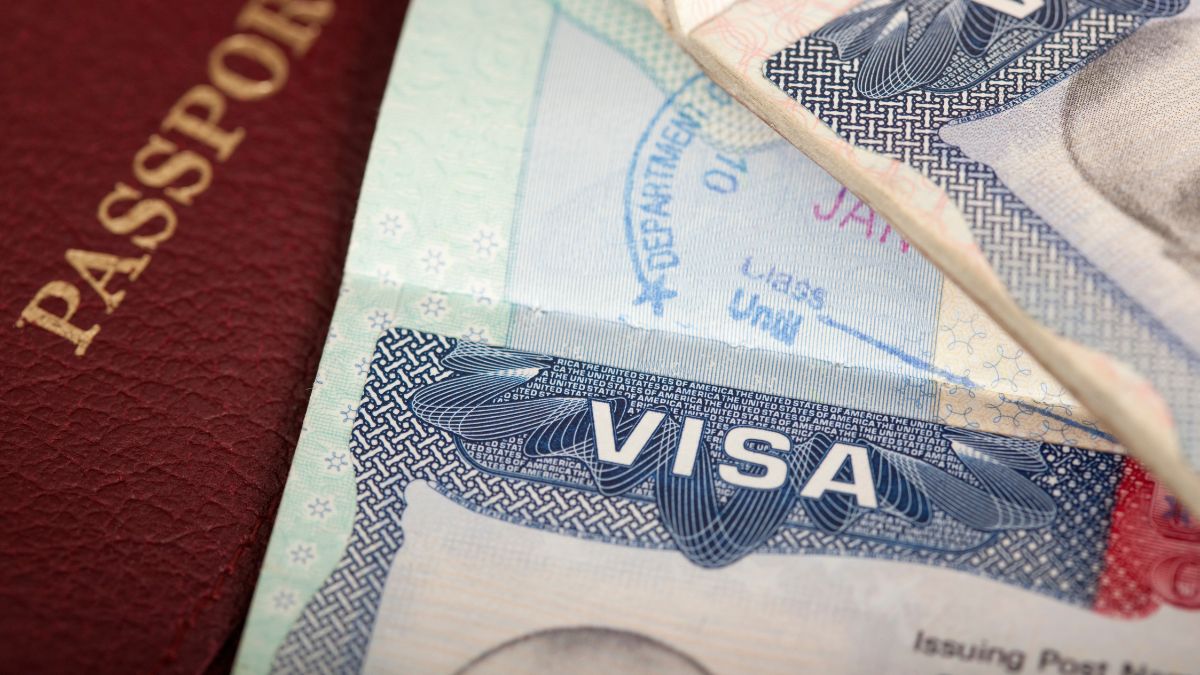
Under the policy, travelers applying for B-1 or B-2 visas—which cover business and tourism visits—could be required to post refundable bonds of $5,000, $10,000, or $15,000 before entering the US. The money would only be returned after travelers left the country within the terms of their visa.
The Athletic reported that the highest bond amounts were generally applied to adults, while lower amounts were more commonly used for children. The payments were also charged per person rather than per family or travel group.
The countries currently affected by the visa bond policy are:
Algeria
Angola
Antigua and Barbuda
Bangladesh
Benin
Bhutan
Botswana
Burundi
Cabo Verde
Cambodia
Central African Republic
Cote D’Ivoire
Cuba
Djibouti
Dominica
Ethiopia
Fiji
Gabon
The Gambia
Georgia
Grenada
Guinea
Guinea-Bissau
Kyrgyz Republic
Lesotho
Malawi
Mauritania
Mauritius
Mongolia
Mozambique
Namibia
Nepal
Nicaragua
Nigeria
Papua New Guinea
Sao Tome and Principe
Senegal
Seychelles
Tajikistan
Tanzania
Togo
Tonga
Tunisia
Turkmenistan
Tuvalu
Uganda
Vanuatu
Venezuela
Zambia
Zimbabwe
Several of those countries have already qualified for the World Cup, including Algeria, Cabo Verde, Senegal, Ivory Coast, and Tunisia.

Kat is Preview's Lifestyle Editor, explorer, and occasional rhymer. When not globe-trotting, she's over her computer, writing her next big novel.