Dom Canlas and Felicia Cui Take the Scenic Route Through Autumn in Japan
In this Preview travel diary, the pair journeys from art islands to temple towns across Japan.
by Dom Canlas, and Felicia Cui
Published on Feb 18, 2026
Naoshima was where our trip began. We’d only been dating a few months and were still in a long-distance relationship, so it felt like both an adventure and an experiment. The island is known for its art museums and installations built into the landscape, surrounded by sea and quiet roads. It felt like the exact kind of place we were both drawn to—art, culture, food, and nature—so going together made sense.
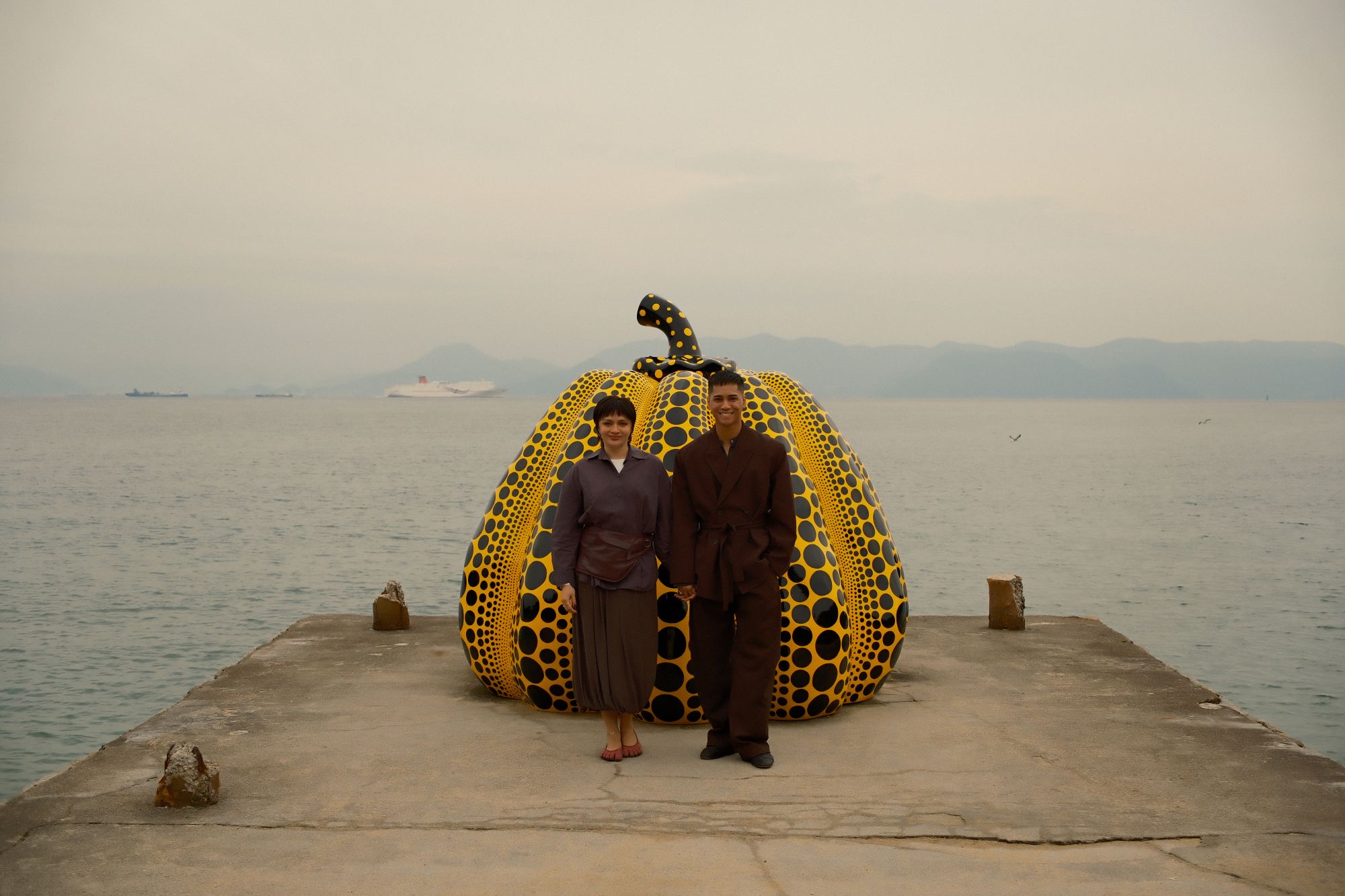
The Kusama pumpkin was one of our final stops, and somehow we had it all to ourselves as the sky got darker. The lights along the pier and island slowly switched on, and the view felt unreal—quiet, warm, and just for us. It was early in the trip, but it set the tone for everything that followed.
Courtesy of Dominique Canlas and Felicia Cui
Courtesy of Dominique Canlas and Felicia Cui
photos to expand
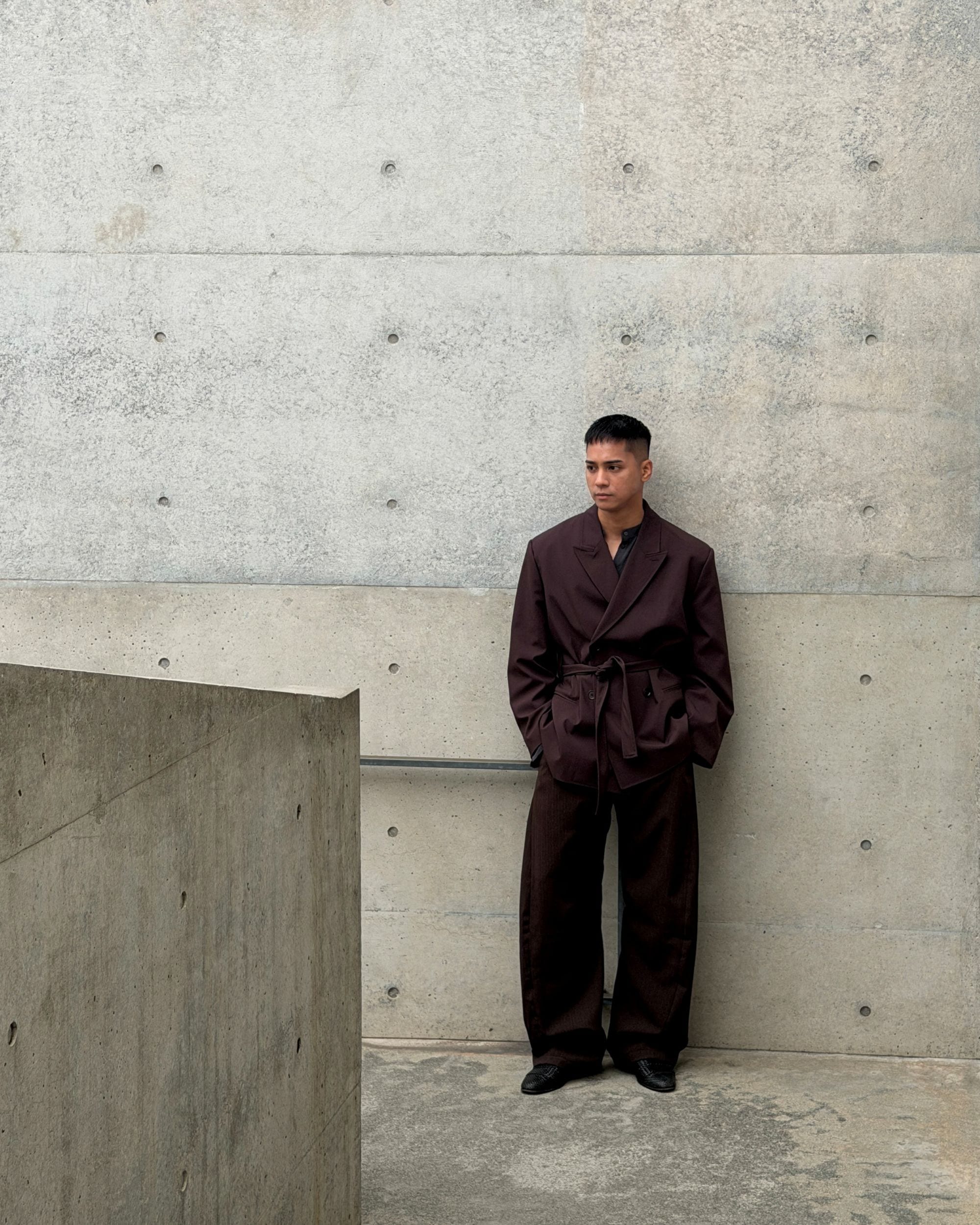
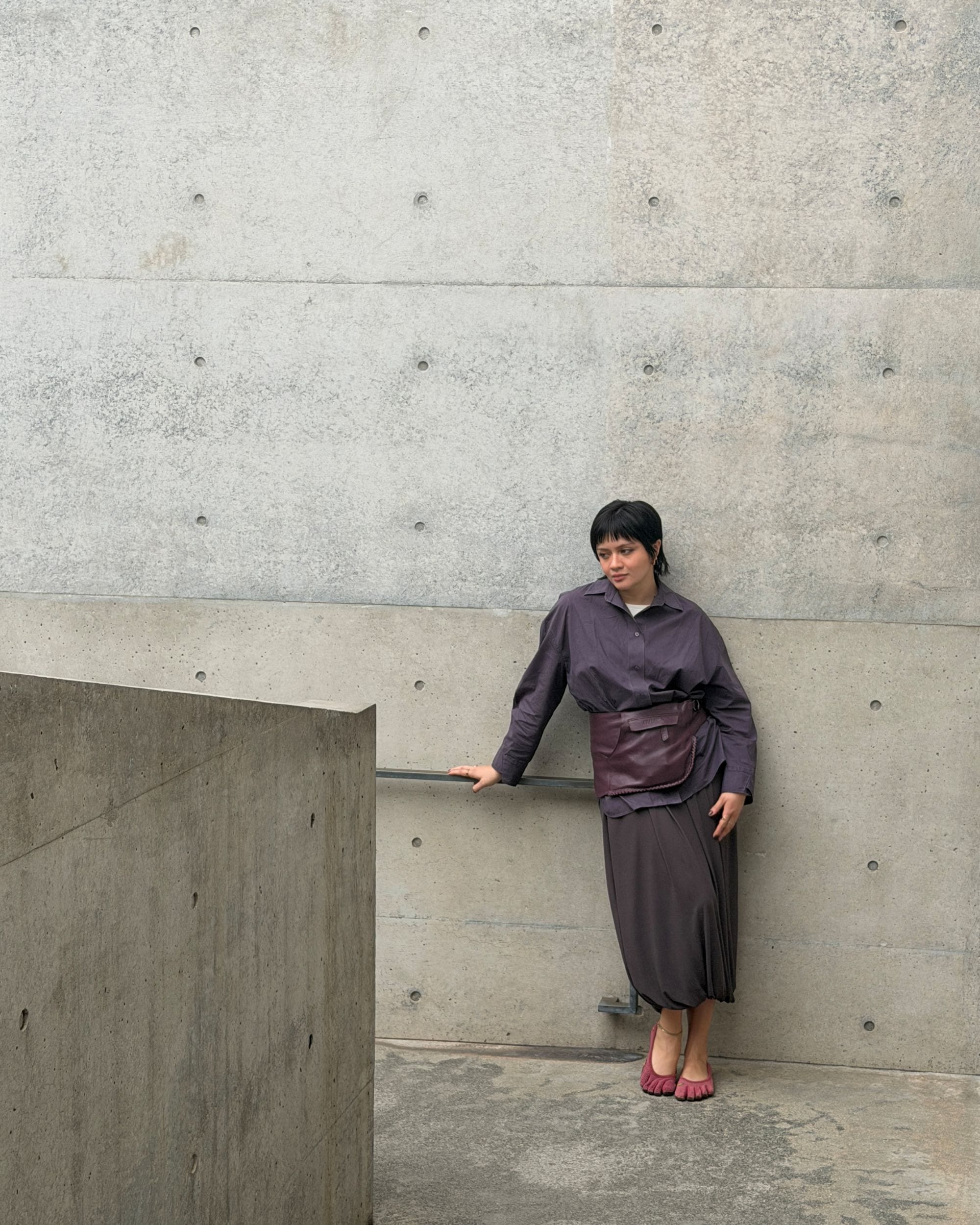
Dom wore a cinched belted blazer, The Sixth Sense trousers, and Bally loafers; Felicia wore a button-down and flowy balloon skirt with an Overlay belt bag and Vibram FiveFingers. The muted colors blended into Naoshima’s concrete museums and greenery.
.jpeg?format=original)
We spent most of the day biking around Naoshima, and it quickly became our favorite way to explore. It gave us small pockets of quiet and alone time, while still sharing the same route. At each stop, we’d talk about what we noticed—views, sounds, and artworks tucked into the landscape. I’m glad we got bikes early, because it let us see so much more of the island. It was simple, but it made Naoshima feel personal, and it made traveling together feel easy.
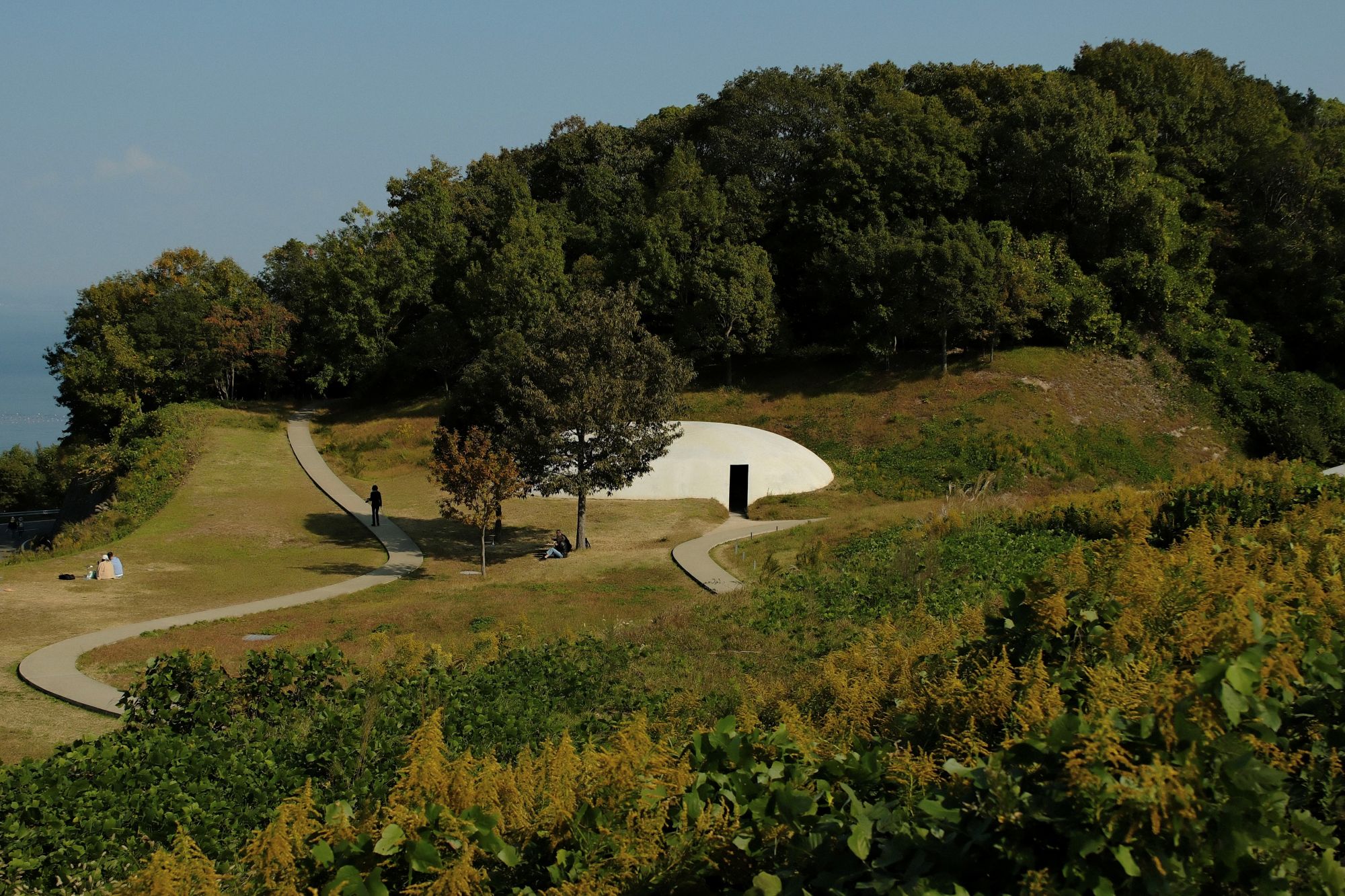
Our next destination was Teshima—an island known for contemporary art and nature. It felt different from Naoshima—less documented, more introspective. The Teshima Art Museum was the main reason we came, and photography wasn’t allowed, so we spent almost the whole time without our phones or cameras. It made the experience feel intentional, and forced us to just be present—watching droplets move across the floor with the light and breeze, and noticing how quiet everyone became.
We left with no photos from the museum and barely from the island, but somehow the experience felt more vivid for it. It was one of those places you have to see to understand. It was moving and surreal; we wished our eyes could take photos.

Courtesy of Dominique Canlas and Felicia Cui
Courtesy of Dominique Canlas and Felicia Cui
Courtesy of Dominique Canlas and Felicia Cui
photos to expand
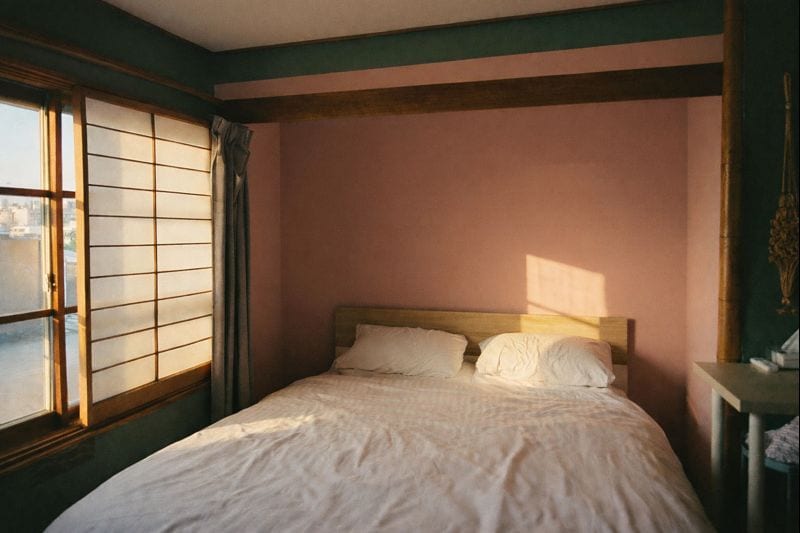
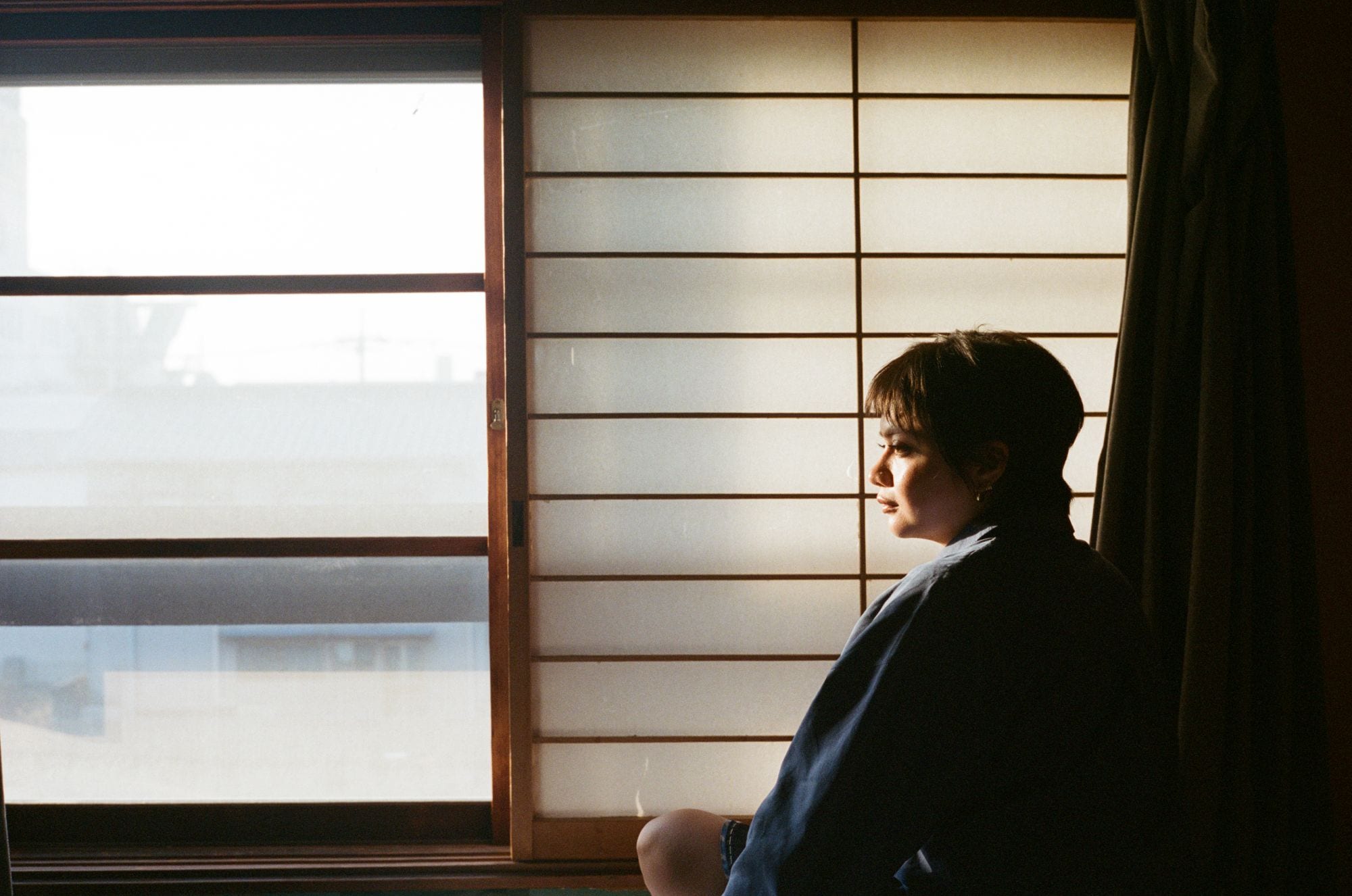
In Uno, we stayed in a traditional home renovated into an Airbnb. The town was small and quiet, and it became our base for visiting Naoshima and Teshima by ferry. Each morning, before catching the first ferry, we’d walk to a nearby bagel café and chat with the locals. At night, the streets were so still that we could hear our footsteps. It was a simple place, but it grounded the trip and gave us time to slow down between the islands.
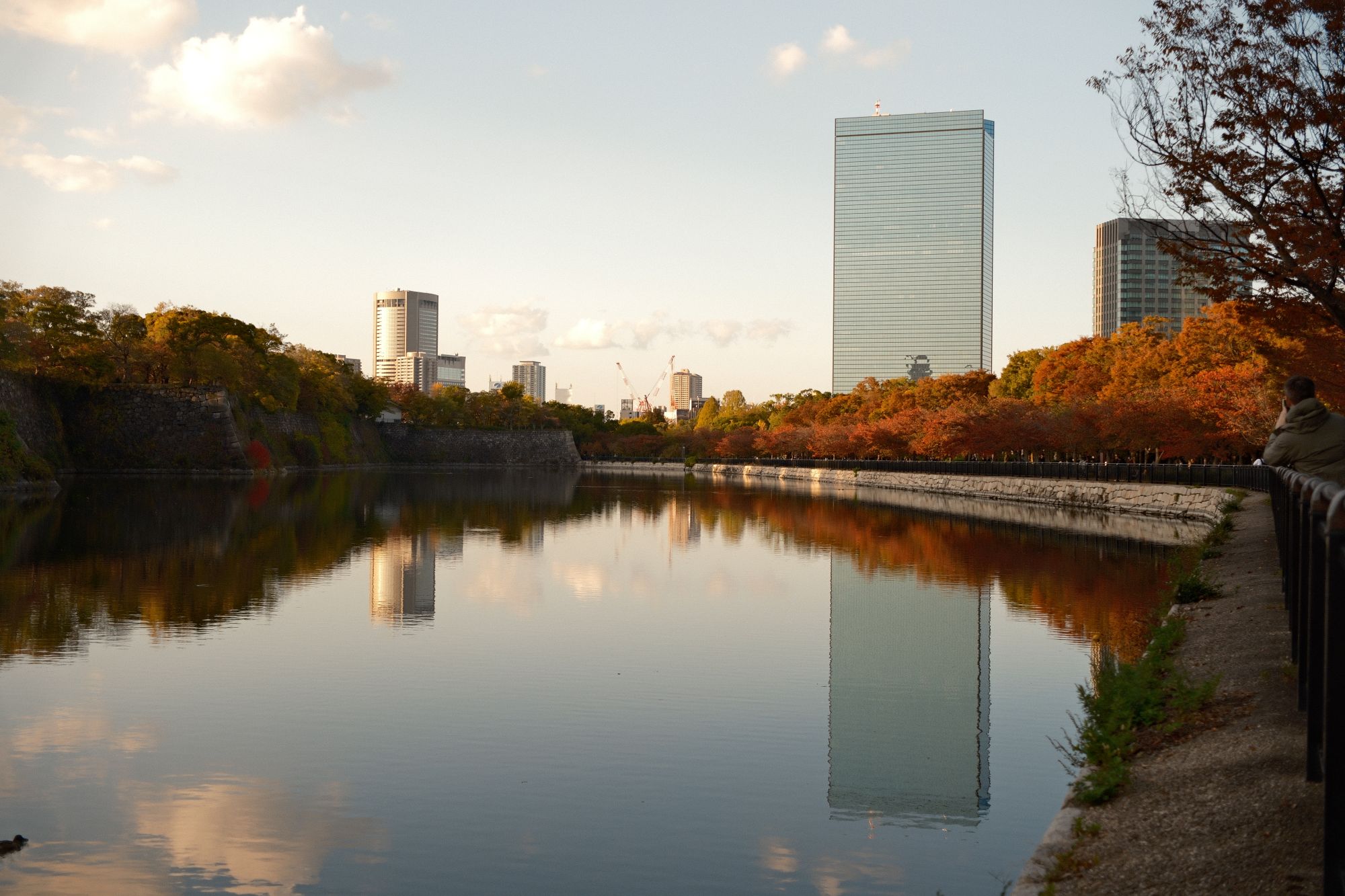
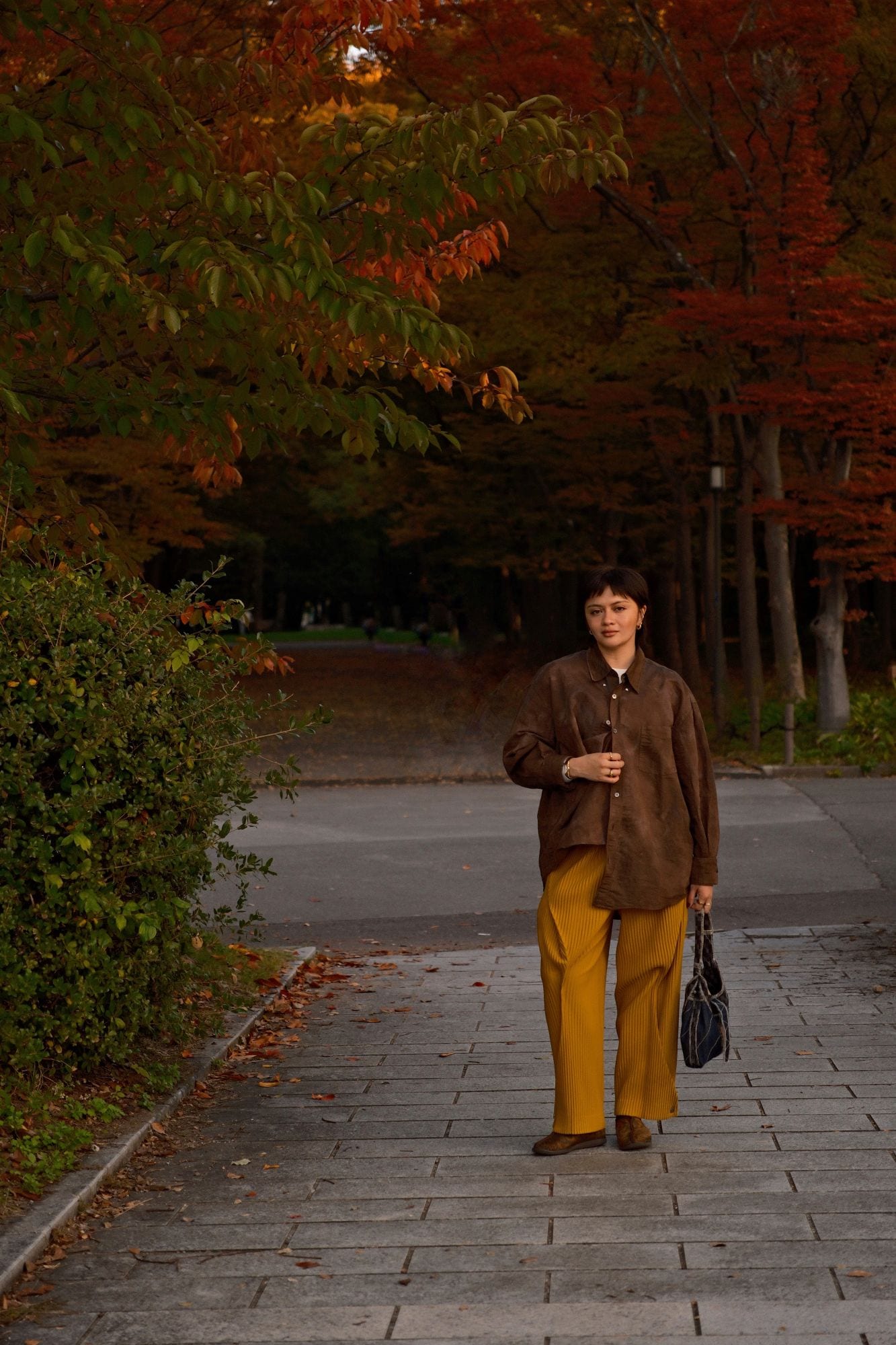
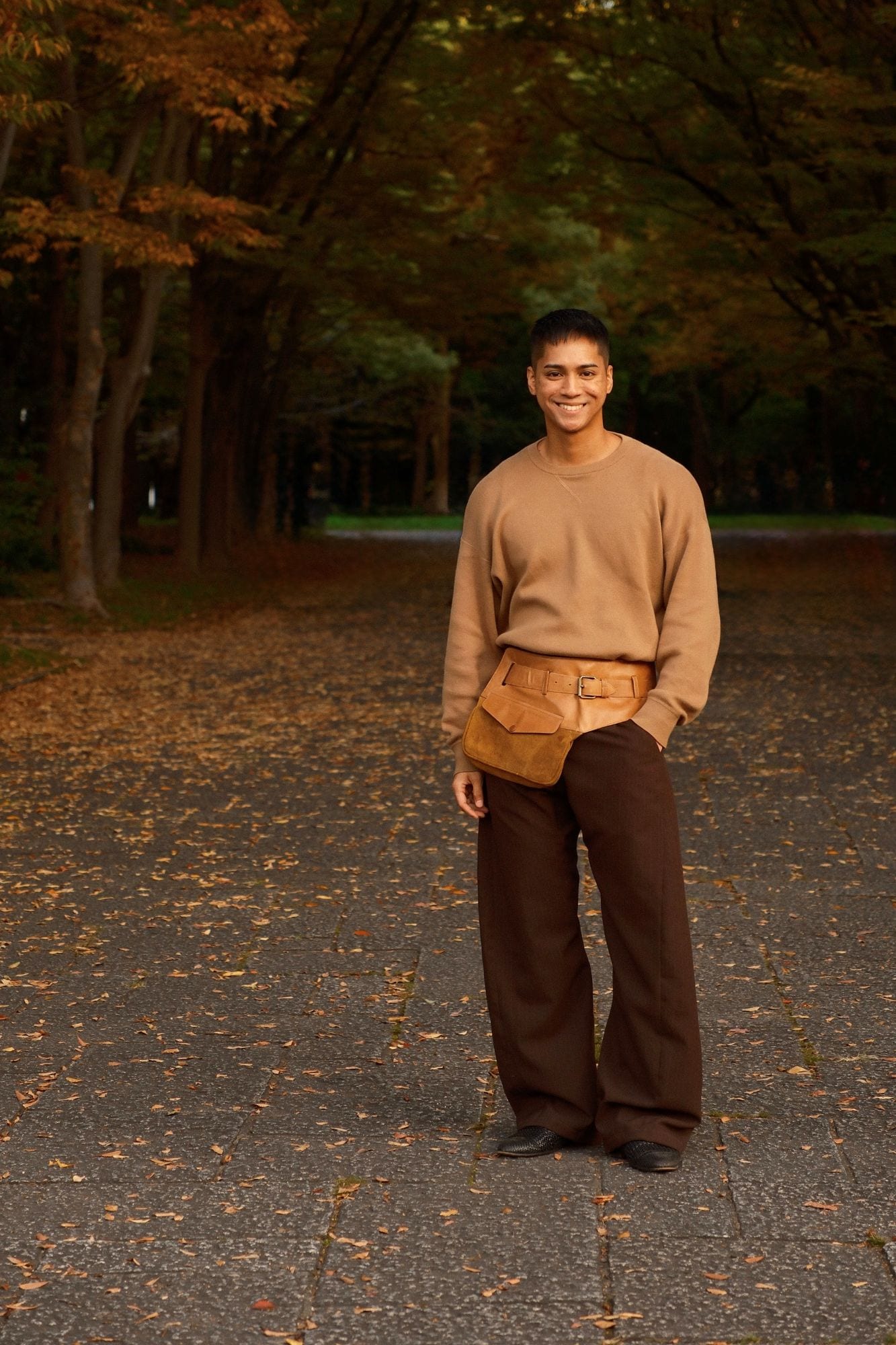
In Osaka, we visited Osaka Castle Park and saw full autumn foliage for the first time on our trip. It felt unreal to be surrounded by trees in shades of red, orange, and gold—especially coming from the Philippines, where seasons don’t really change, and parks are rare. It felt like a small privilege just to walk through it.
Courtesy of Dominique Canlas and Felicia Cui
Courtesy of Dominique Canlas and Felicia Cui
photos to expand
We leaned into fall dressing—Felicia in Homme pliise Issey Miyake pants, Hender Scheme shoes, an Our Legacy shirt, and a Carl Jan Cruz bag; Dom in a Uniqlo top, 1980-70s Issey Miyake belt bag, The Sixth Sense trousers, and Bally loafers—matching the warm colors of the park.
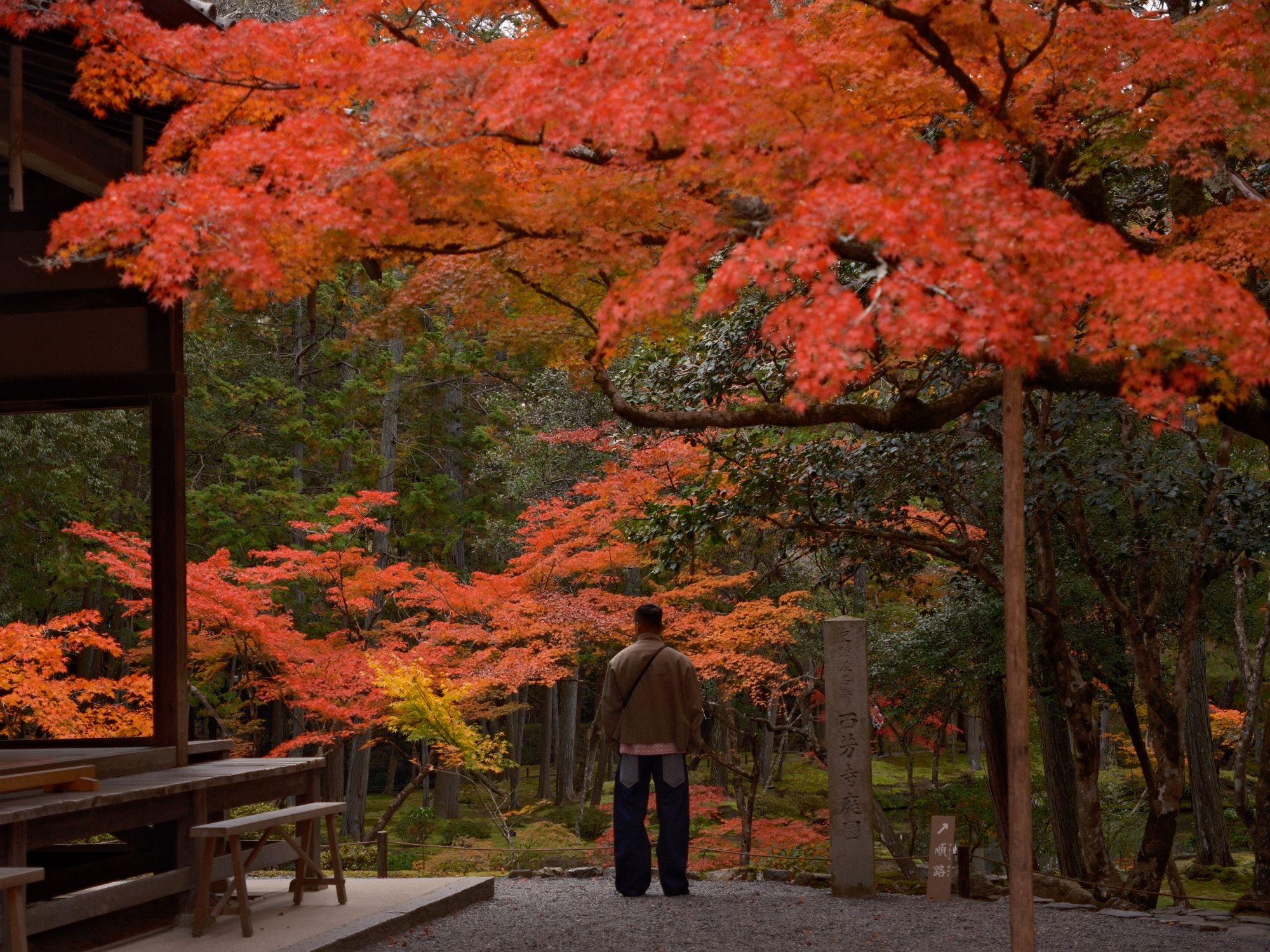
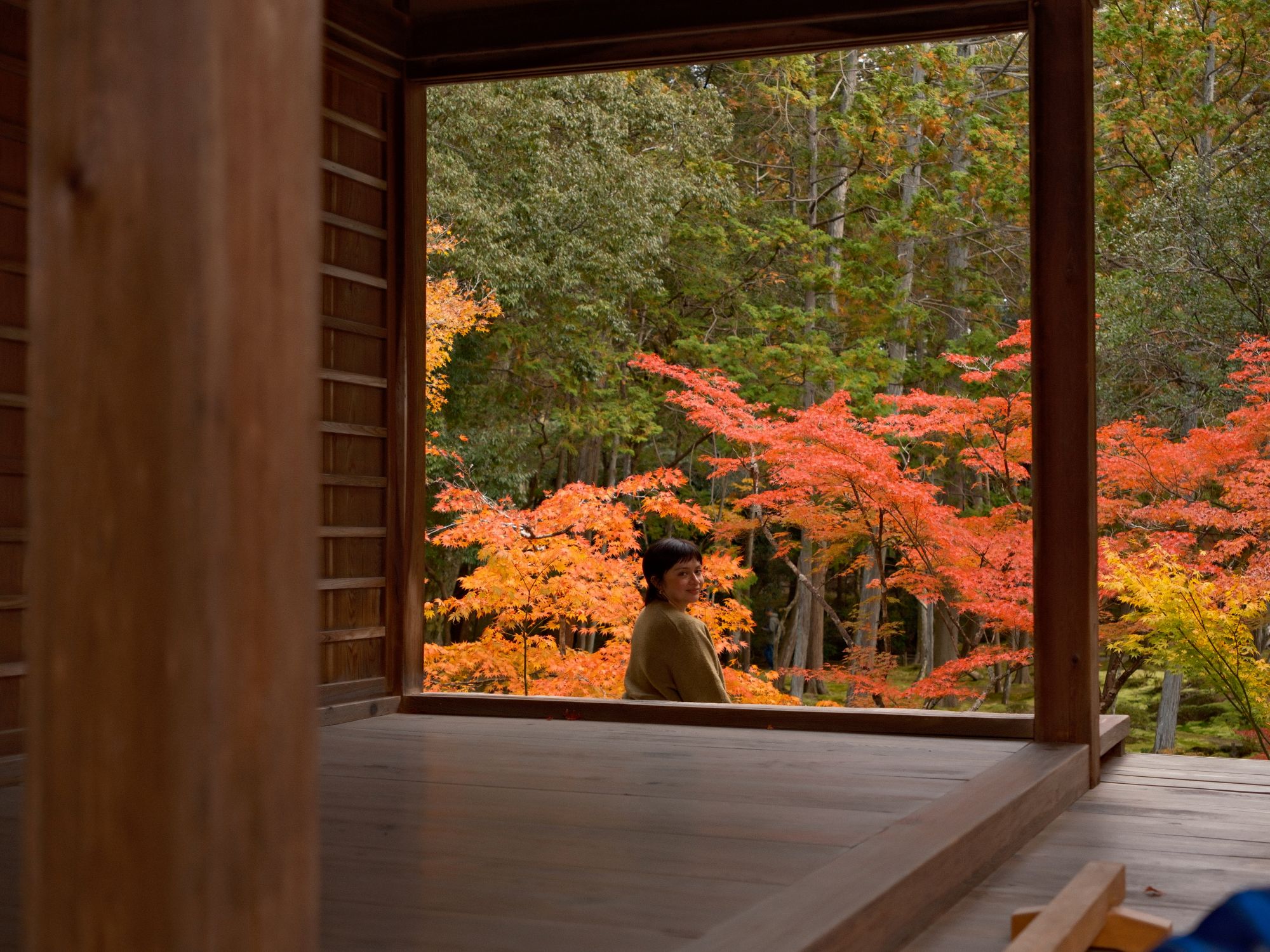
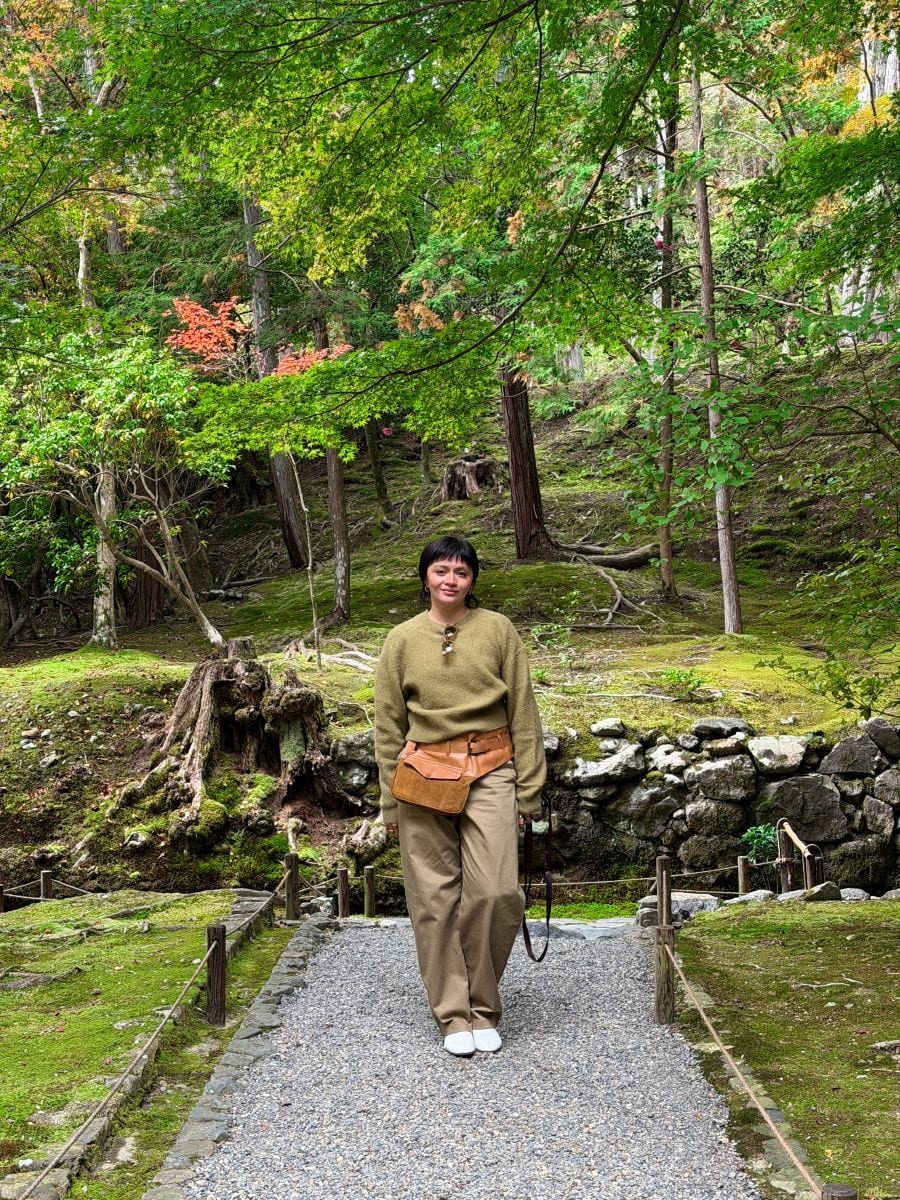
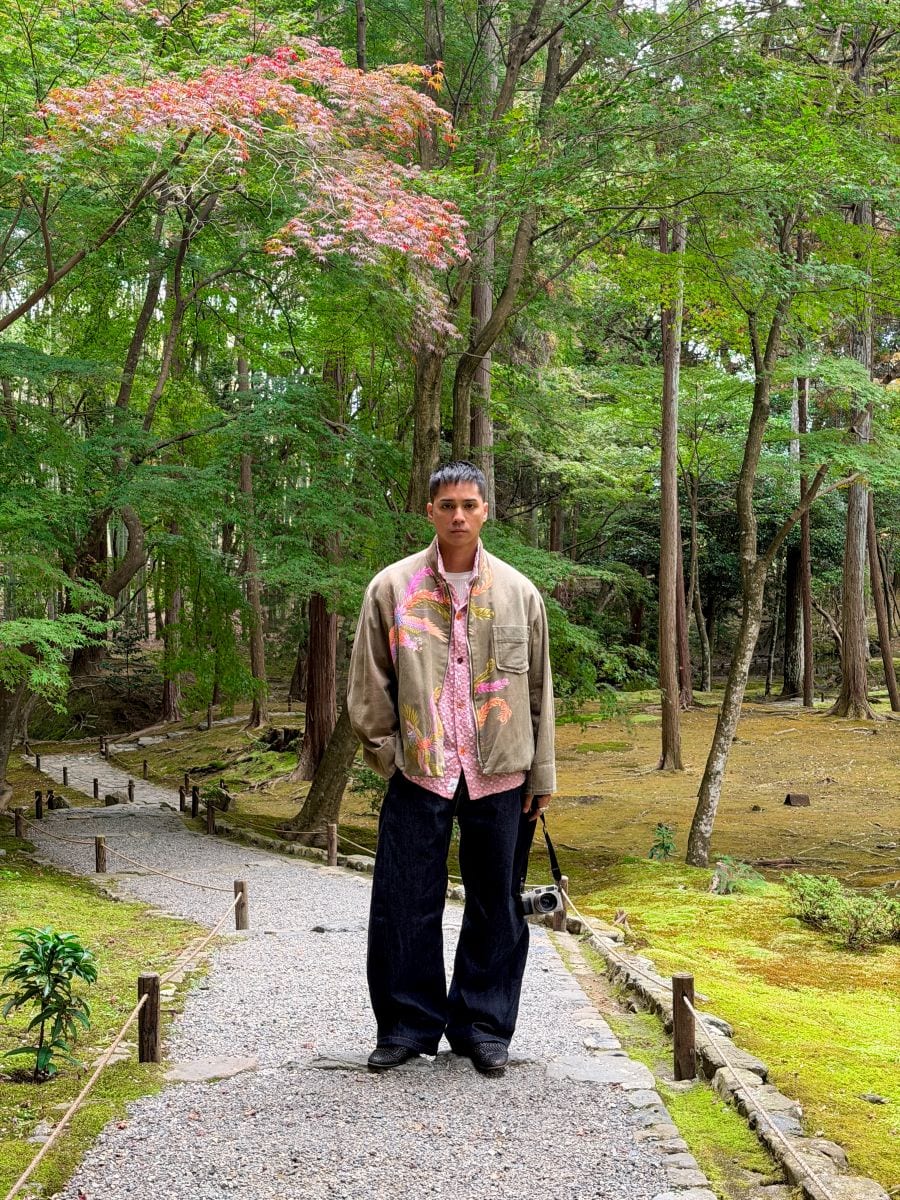
Kyoto holds countless temples, but we wanted to experience one without overflowing crowds. We spent the morning at Saihōji Temple, where each guest is required to trace sutras and pay their respects before entering the main garden.
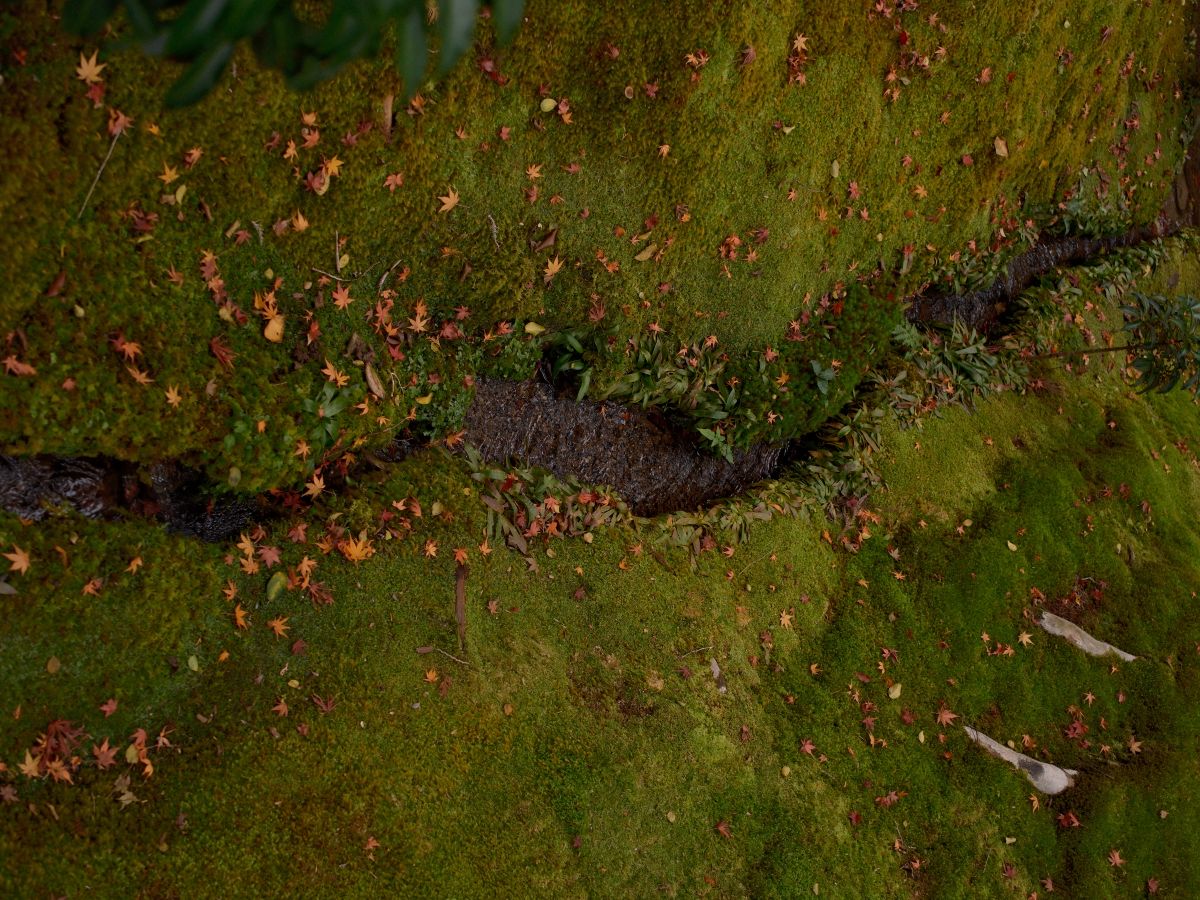
This ritual reminded us that we were not just here to enjoy the view, but to honor the meaning of the place. The garden felt unreal—bright autumn trees above and below them, a vast carpet of lush moss spreading across the ground.
Courtesy of Dominique Canlas and Felicia Cui
photos to expand
Felicia wore a knitted sweater with a '70s/'80s Issey Miyake belt bag and Ro Glove shoes; Dom wore a SS1996 Yohji Yamamoto phoenix bomber over an EC button down with The Sixth Sense crescent jeans and Bally loafers. The colors and textures matched the greens of the moss and the warm hues of the autumn trees.
Courtesy of Dominique Canlas and Felicia Cui
Courtesy of Dominique Canlas and Felicia Cui
photos to expand
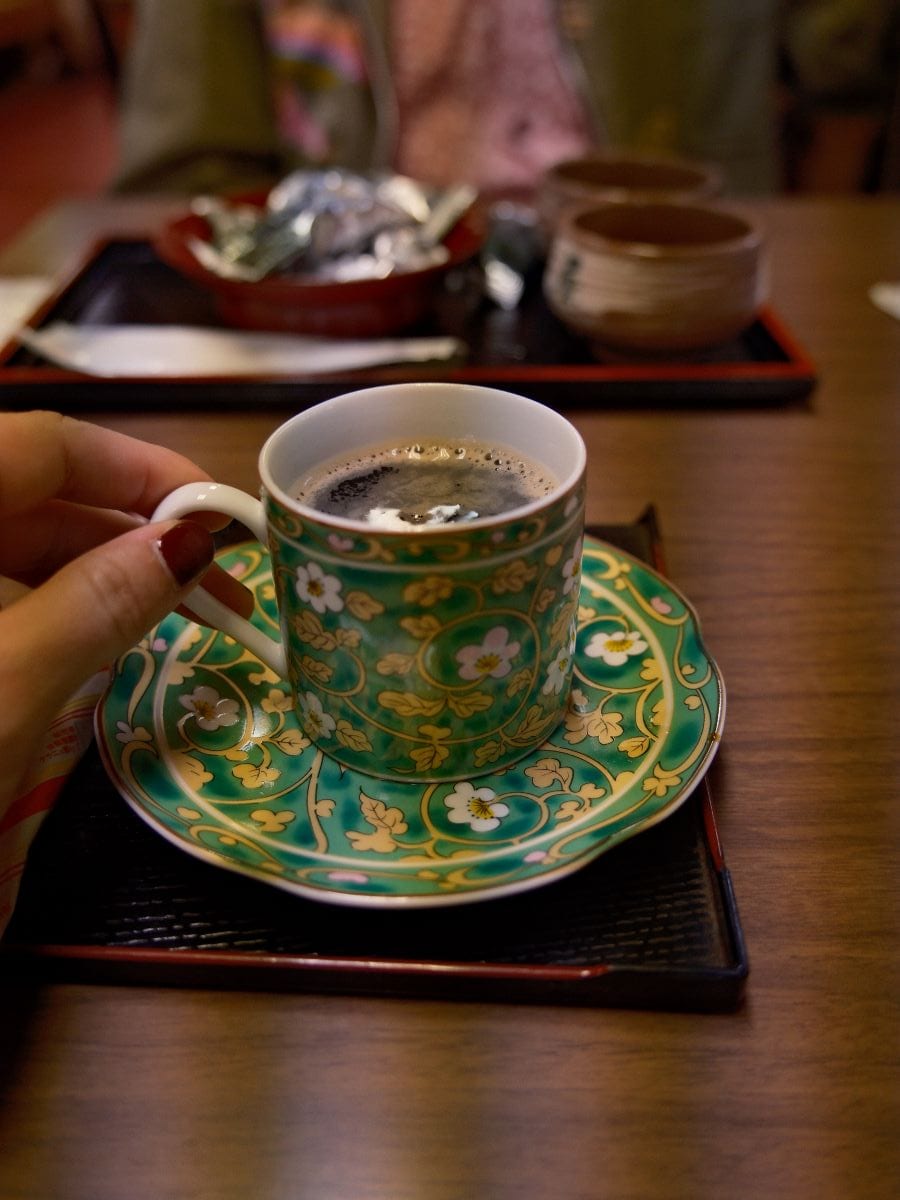
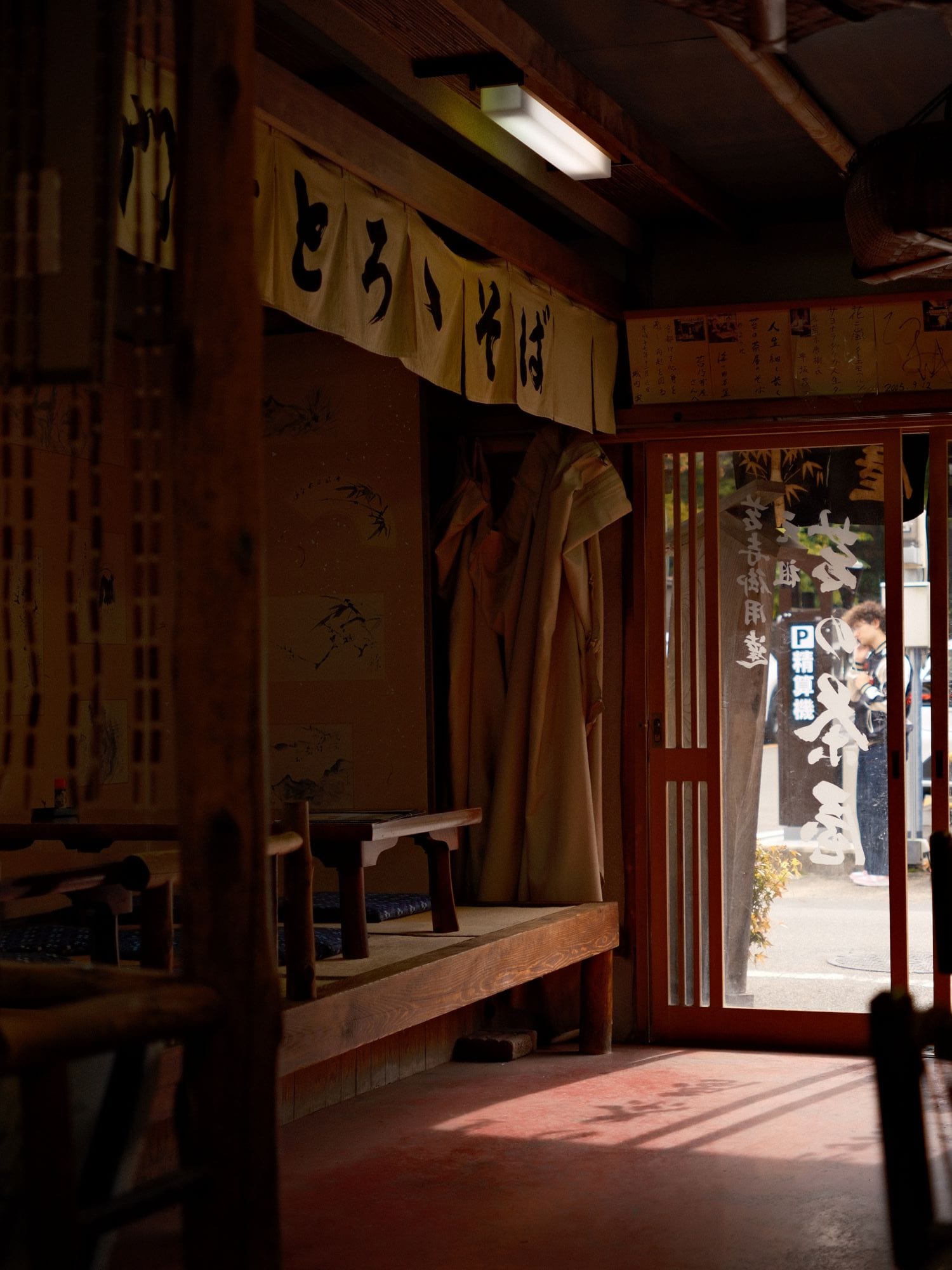
After Saihō-ji, an old woman waved at us from the doorway of her house turned restaurant, encouraging us to come in. The place felt warm and lived-in. She quickly started preparing food and served us soup, noodles, and tea.
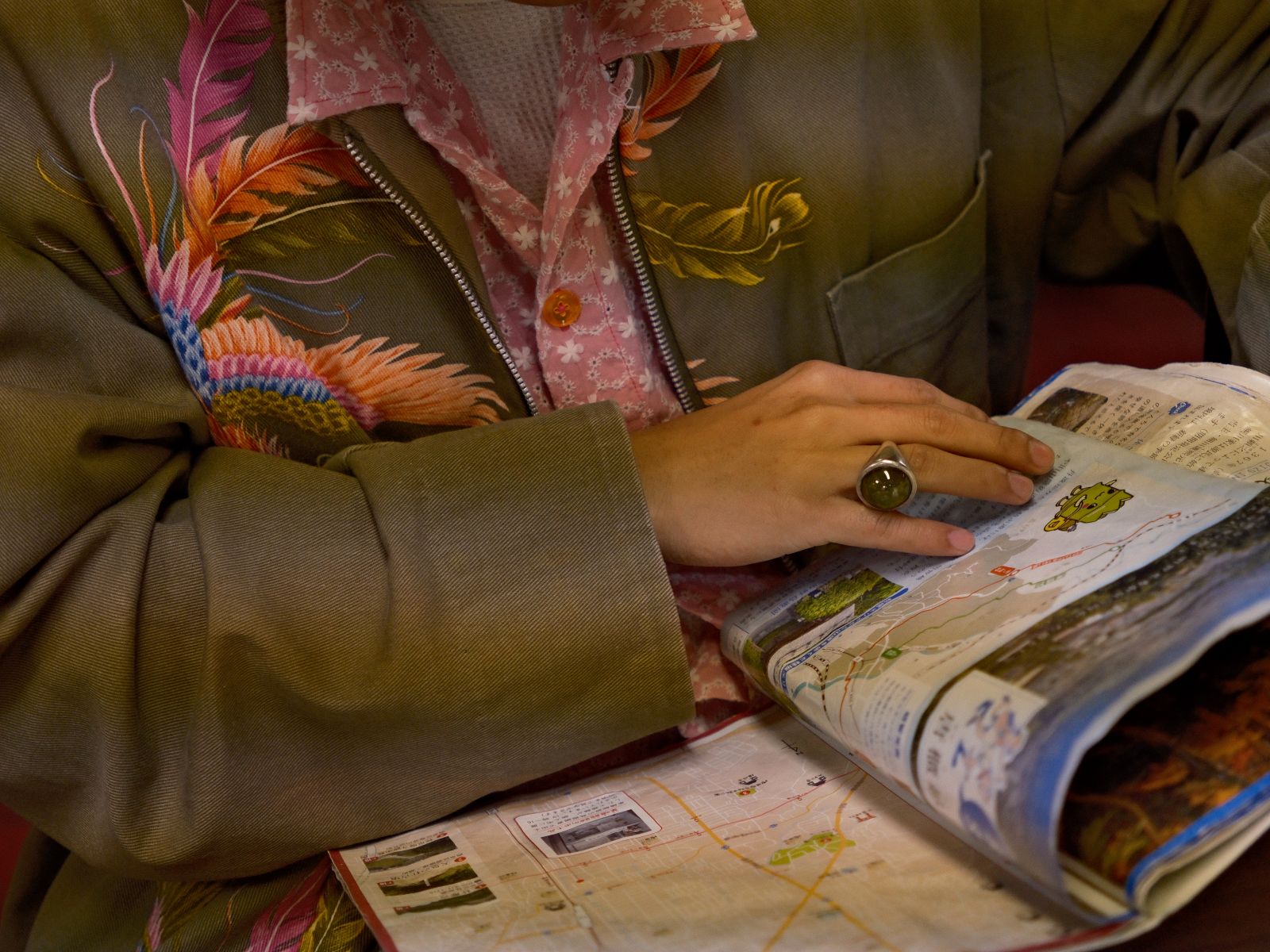
While we were eating, she opened the curtains to show the moss garden, then brought out an album of old photos—of her house, the temple, and the town long before visitors came. It felt familiar, like being looked after by a grandmother. It made us appreciate the town beyond the temple.
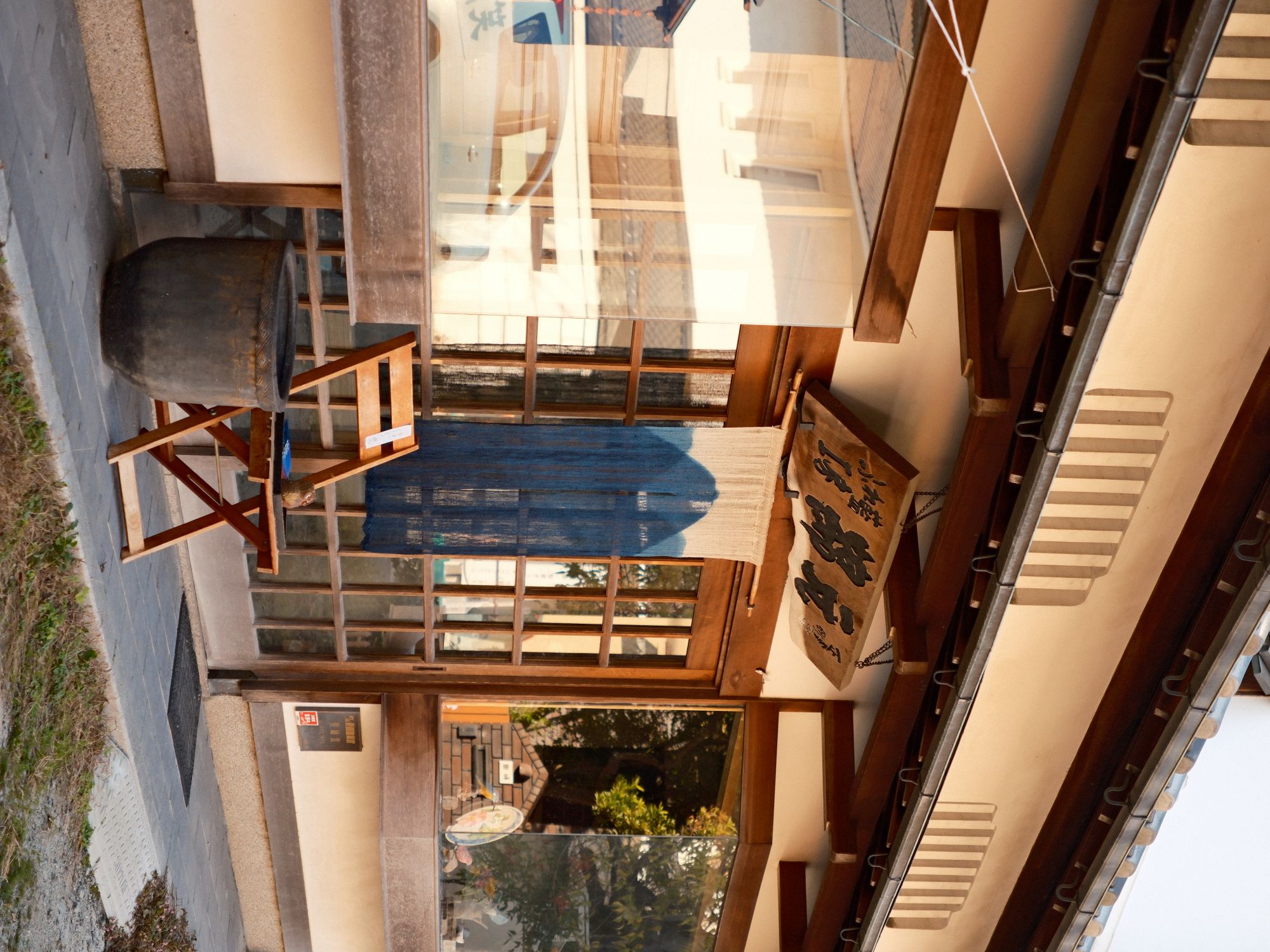
Dom experienced indigo dyeing before, and when he was planning this trip, he knew he wanted to share it with Fel—it felt like the perfect playground. We found a small family-run indigo studio in a quiet town, where the vats and tools had been used for generations. The vats were filled with fermented sukumo, and the family had been tending them for decades.
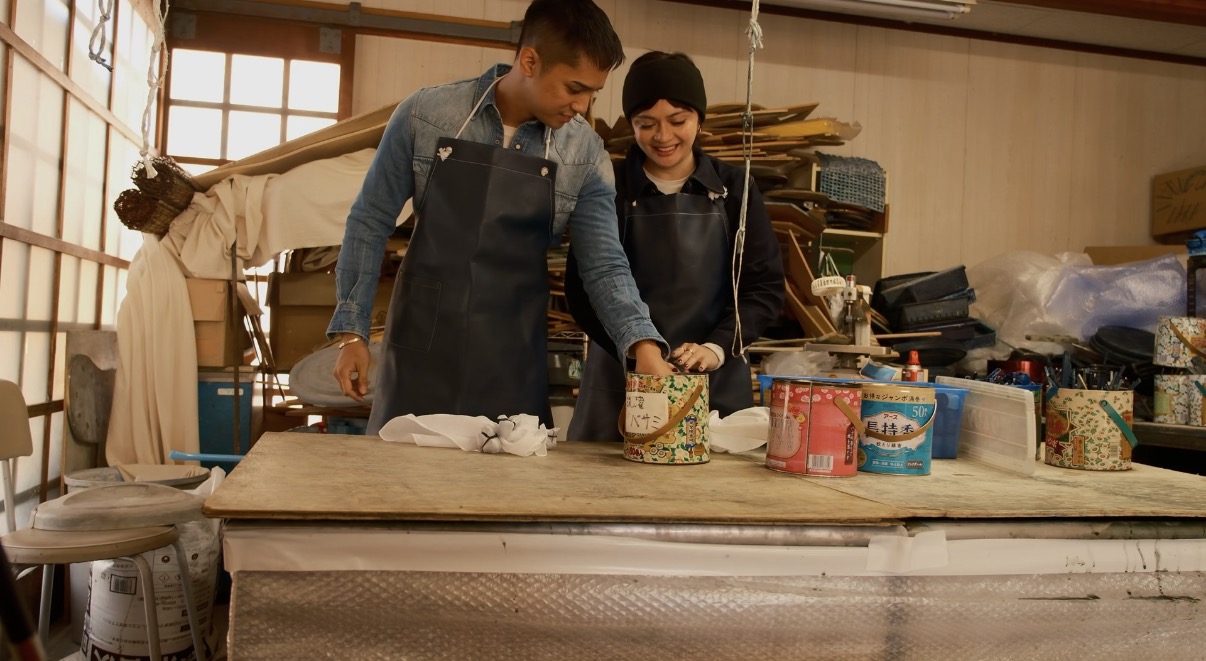
We were told the session would take a few hours, but we ended up staying the whole day. We fell into a flow state—us and the people running the workshop—trying to make our scarves and shirts as perfect as we imagined them in our heads. We were briefed on the different patterns we could create using Shibori folding techniques and shown how to do them. Neither of us knew how the patterns would actually look until the end, and that uncertainty made the reveal feel intimate.
It felt like a mix of play and process, and we liked how our ideas showed up differently in the final pieces. By the end, our hands were stained blue, and it felt like proof—and a small, proud moment—that we made something ourselves. The results made us want to keep making things beyond the studio.
Yumebutai in Awaji felt like a dream. Watching how Tadao Ando mixed nature with concrete was surreal—especially for someone who loves architecture that sits quietly in a landscape. We share the same love for nature, design, and art, so walking through it together felt like a small “pinch me” moment.
The place was huge and a bit overwhelming at first. We kept wondering if we were missing whole areas (and we probably did), but the scale also meant we had long stretches to ourselves. No guides or guards—just us wandering, exploring, and stopping every few steps to take it in. It made us realize how architecture can feel gentle even at a massive scale.
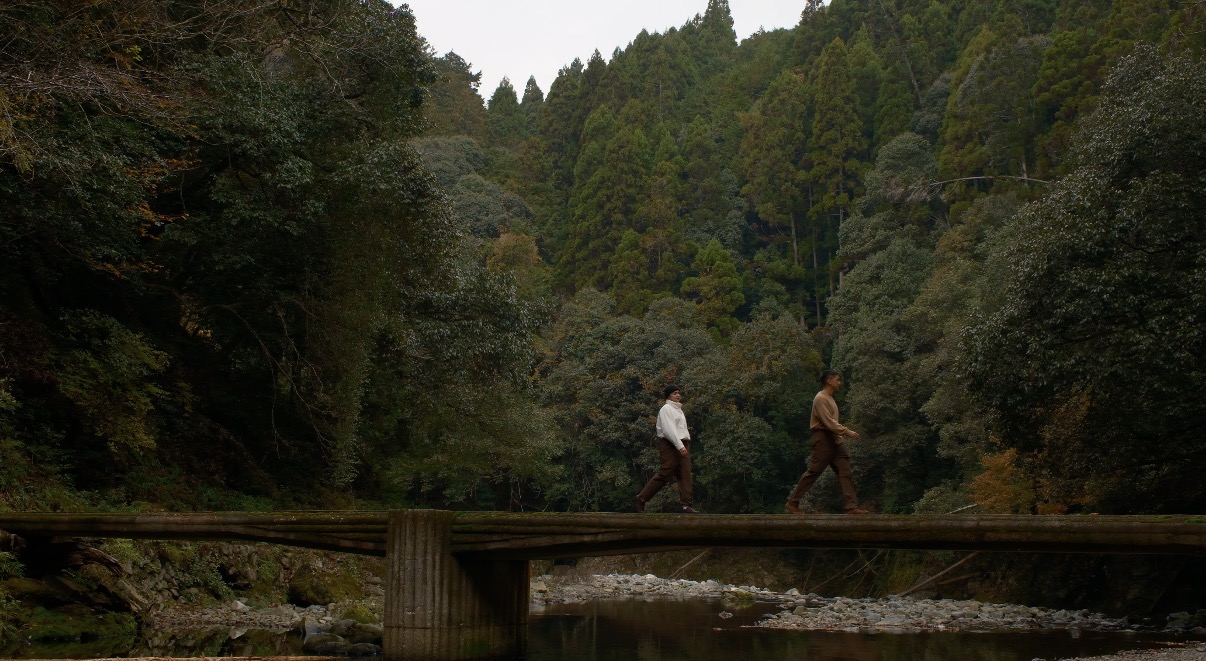
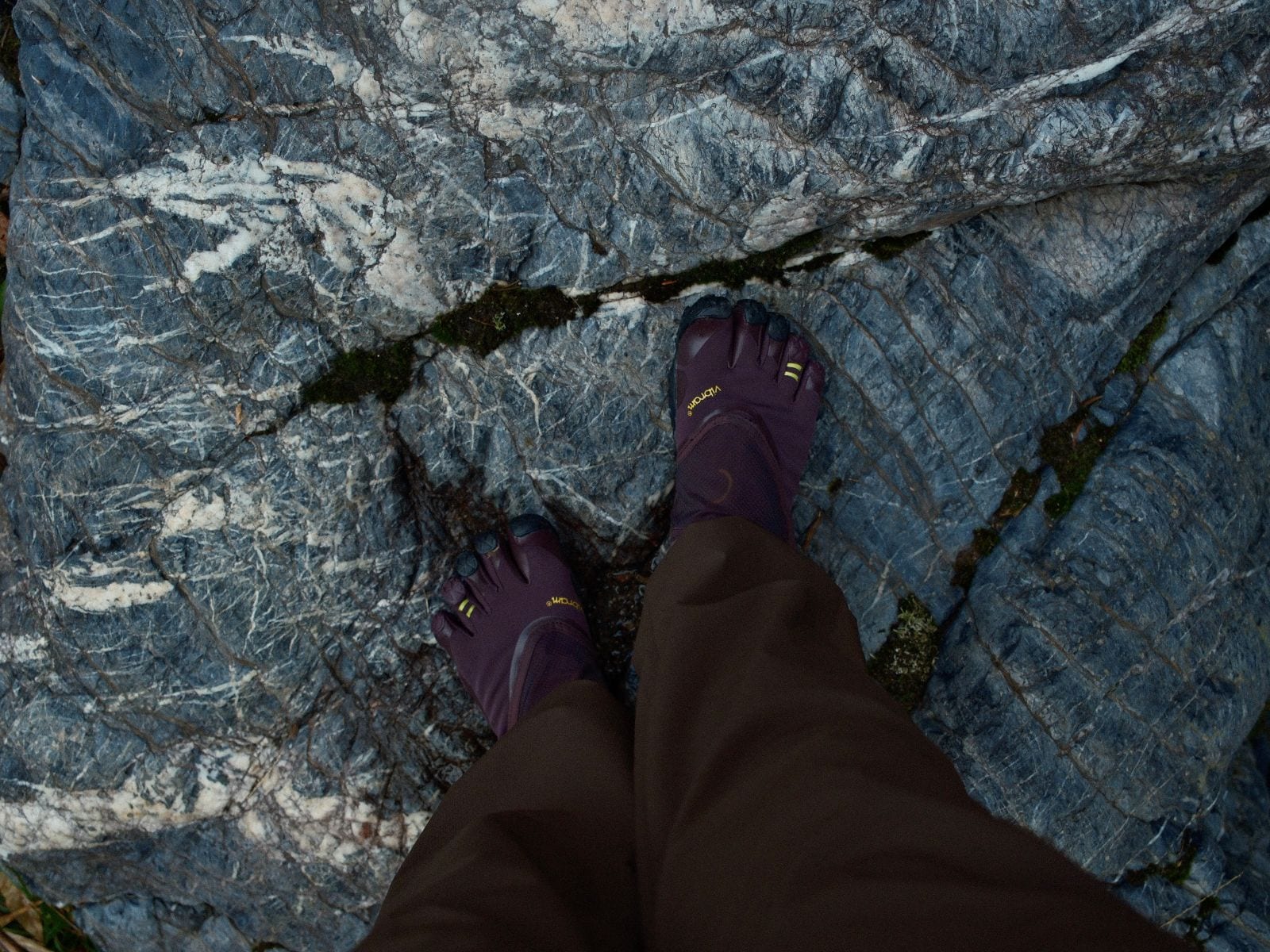
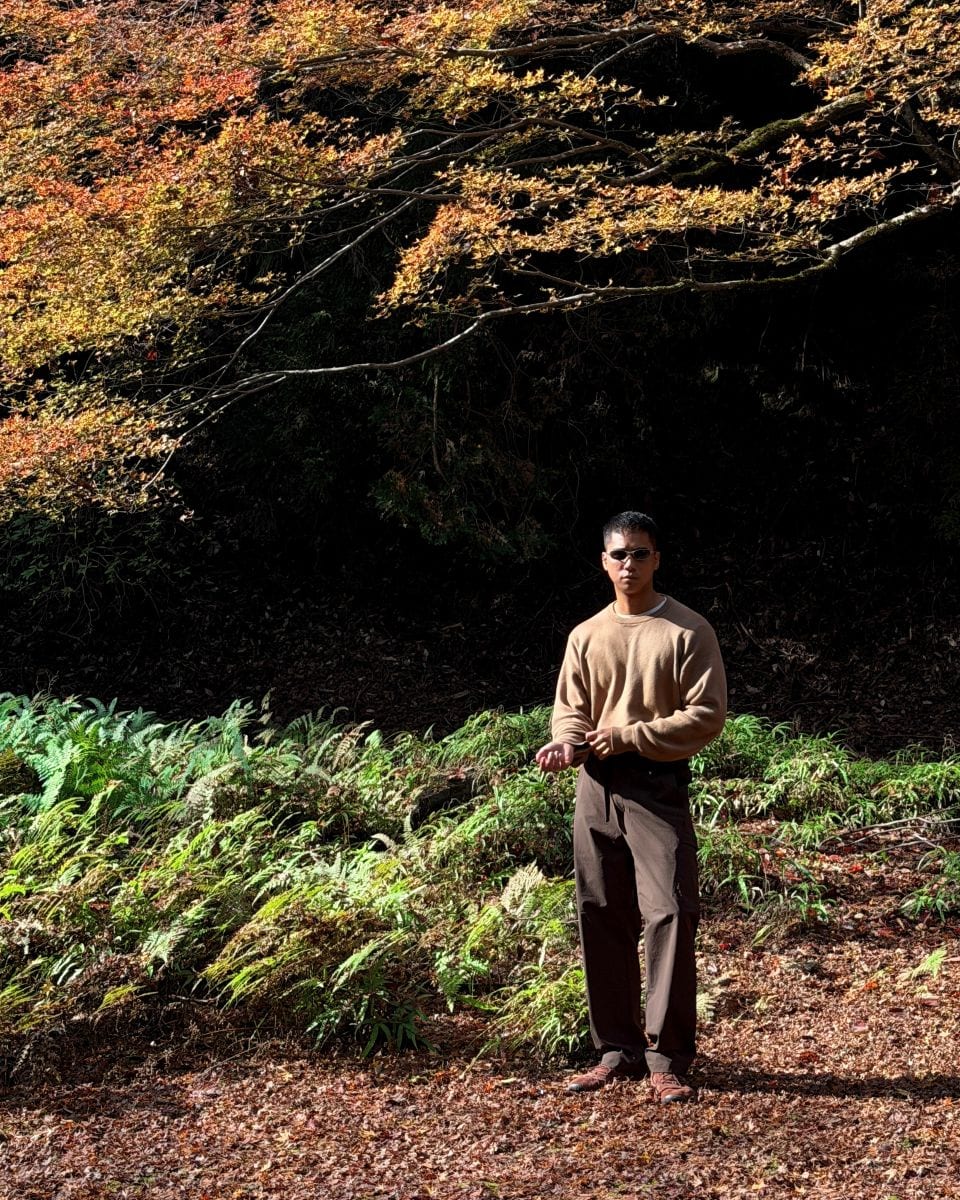
We wanted to go hiking somewhere lesser known, and after a deep dive, we came across this trail and immediately sensed its potential. The photos online didn't say much, but it felt like one of those places you had to experience to understand. Trusting my gut, we went for it—and it ended up revealing more than we expected.
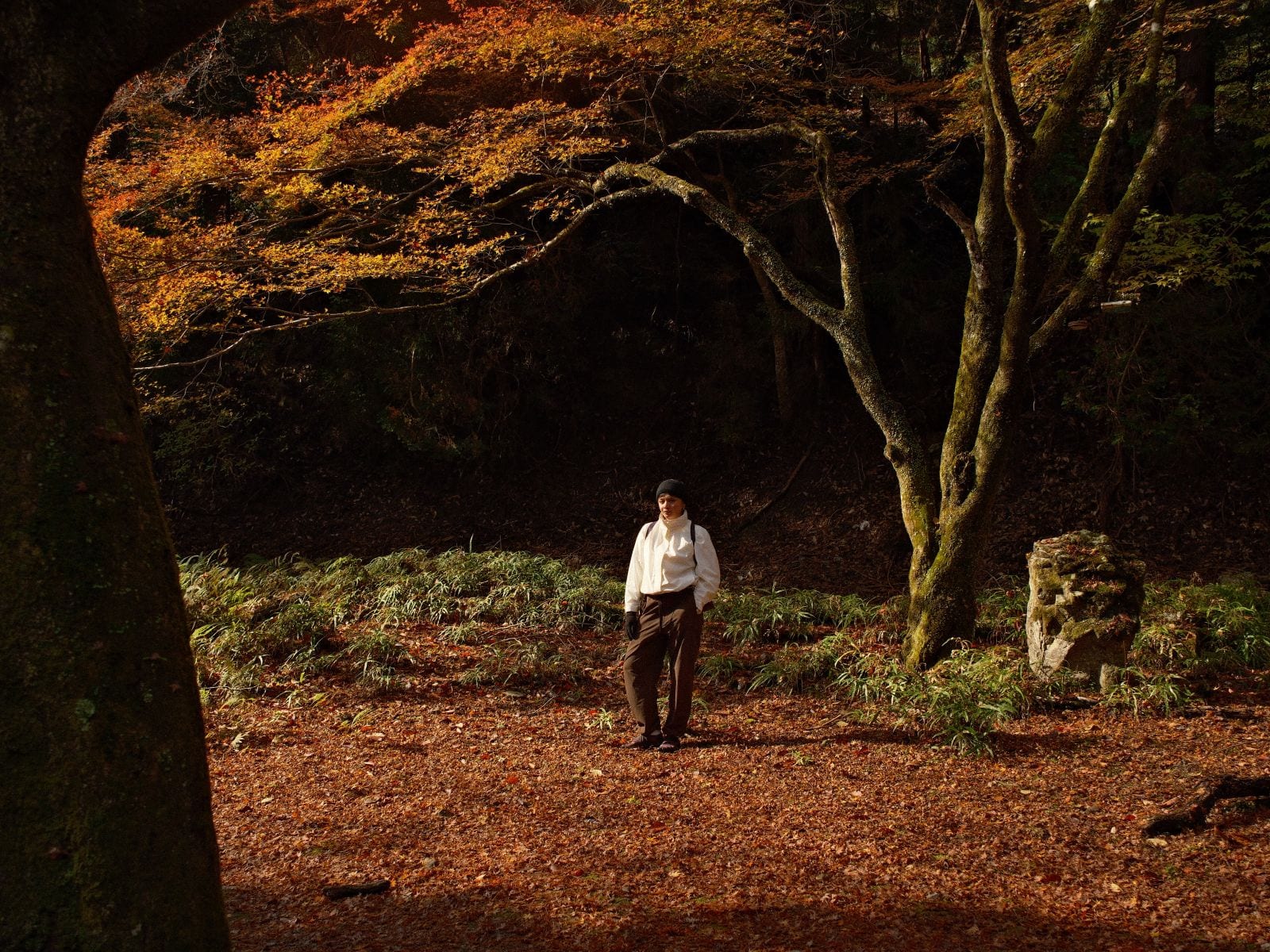
What we loved was how the trail kept changing—cedar forests, rivers, mossy stones, waterfalls, torii gates, and clearings that all felt like different chapters of the same story. There was a point when everything looked the same, and we weren’t sure if we were still on the right path, but getting a little lost became part of the adventure. We kept looking at each other with the same expression—half-thrilled, half-unsure—waiting for the trail to surprise us.
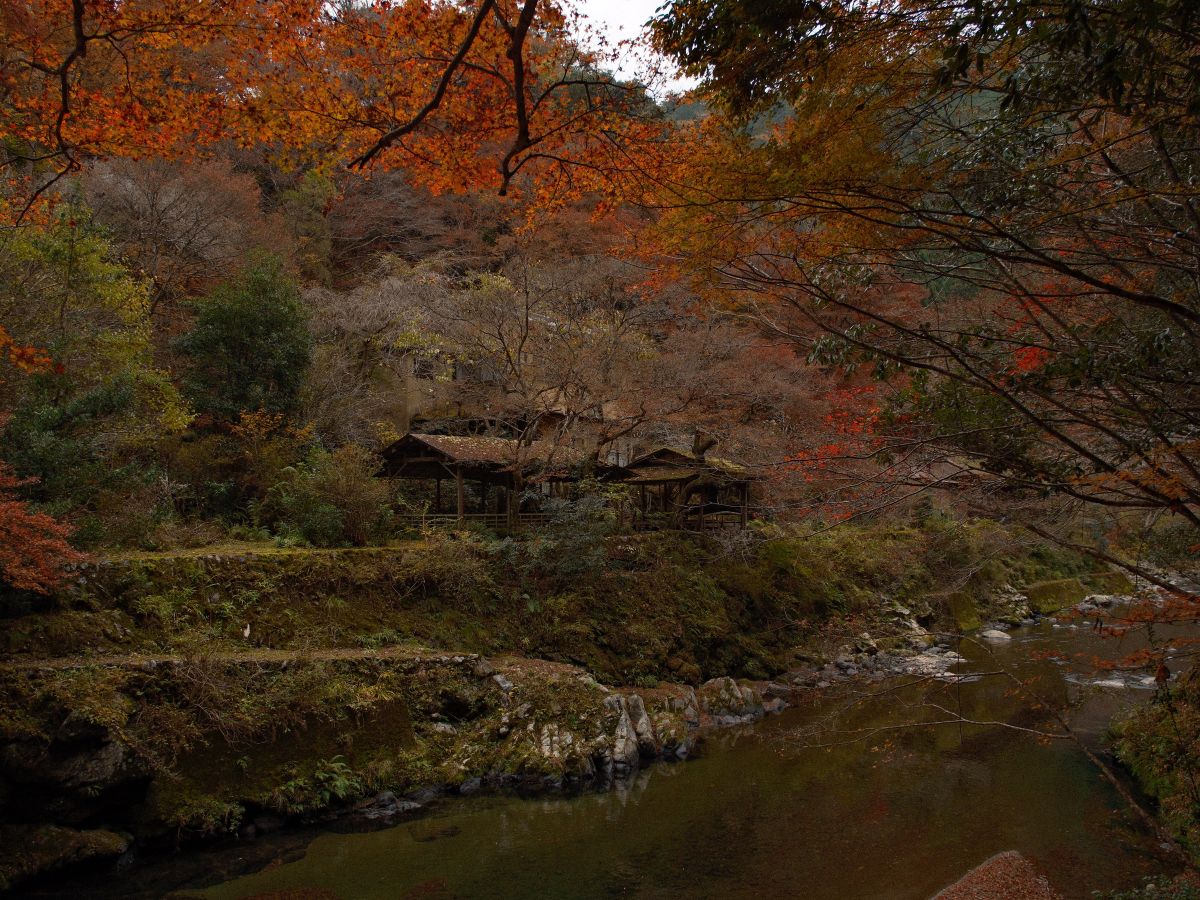
With barely any people around, it often felt like we had the place to ourselves. We counted the few we crossed: an old couple hiking, a lone runner, a man picnicking by the river—tiny characters in a postcard moment. It was the kind of hike that gave space for stories and quiet, and for helping each other up when the path got steep. We left, grateful we trusted our instincts and went for it.
Courtesy of Dominique Canlas and Felicia Cui
Courtesy of Dominique Canlas and Felicia Cui
Courtesy of Dominique Canlas and Felicia Cui
Courtesy of Dominique Canlas and Felicia Cui
Courtesy of Dominique Canlas and Felicia Cui
photos to expand
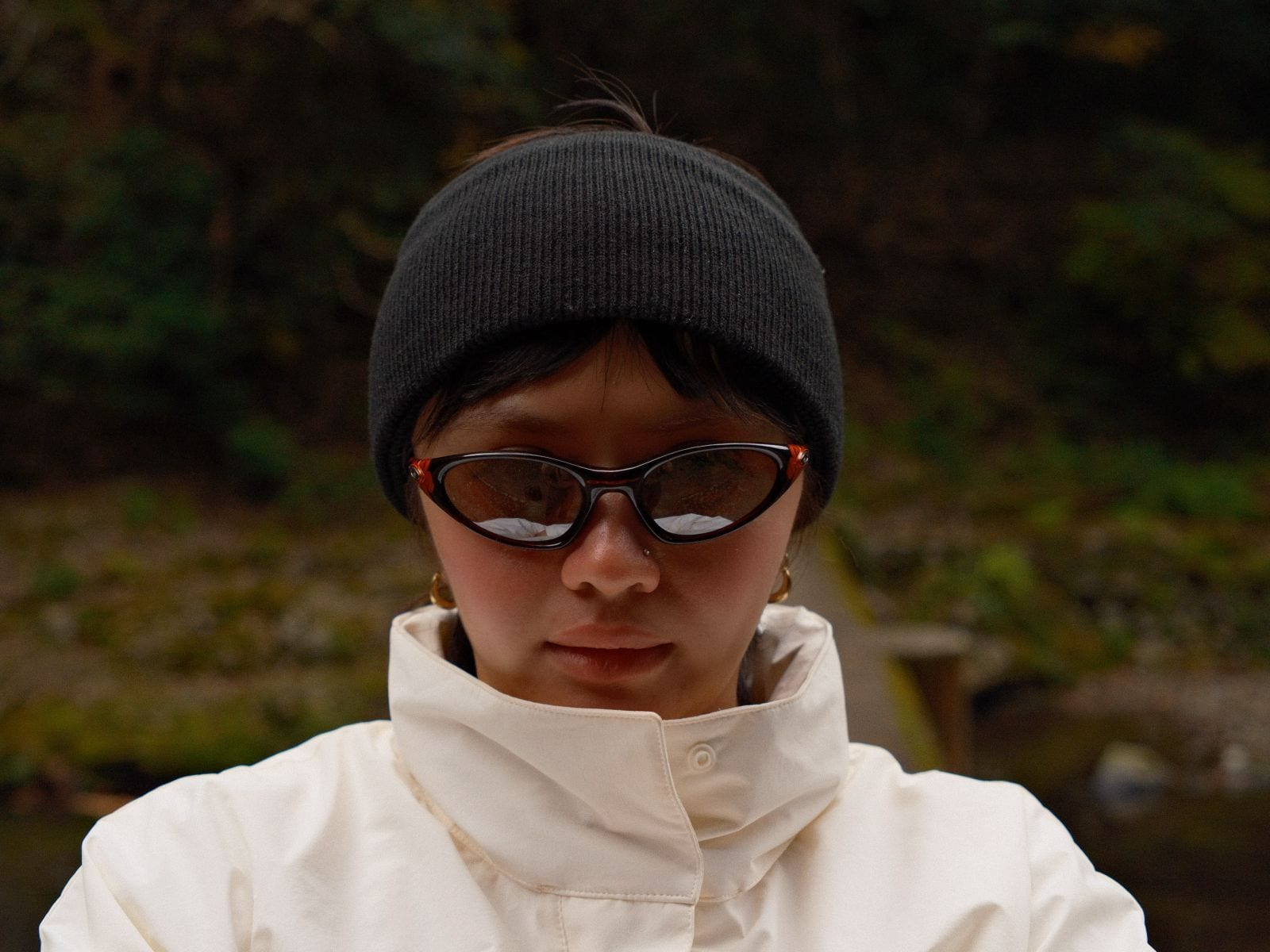
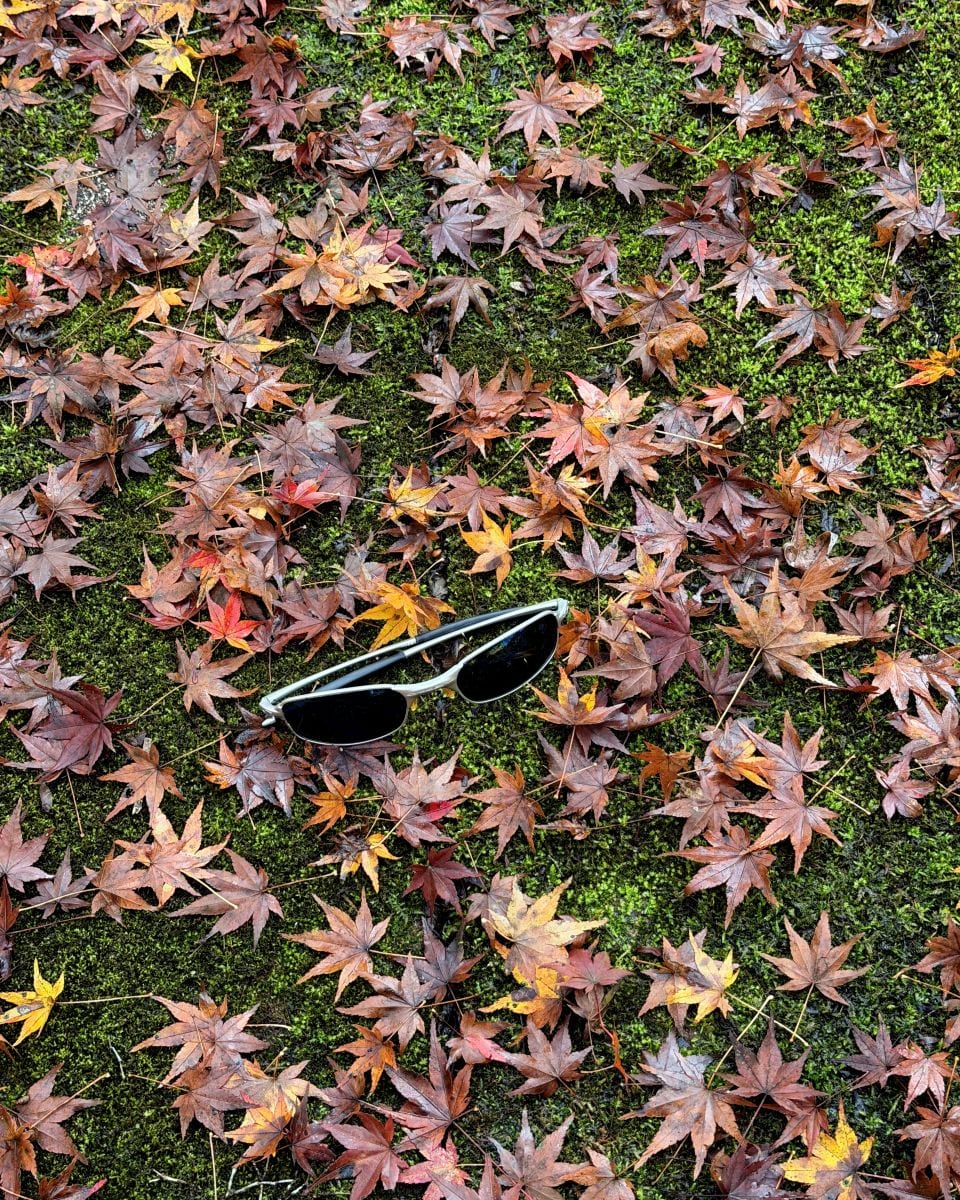
Felicia in a Uniqlo Parka, Uniqlo utility pants, Vibram Five Fingers Trailope shoes, 1998 Oakley Minute 1.0 glasses. Dom in a Uniqlo sweater, Uniqlo utility pants, New Balance MT100 Shoes, 1999 Oakley Squarewire glasses.
