
With every piece, Hablon preserves the soul of Filipino culture, telling a story of creativity that continues to shape tradition.
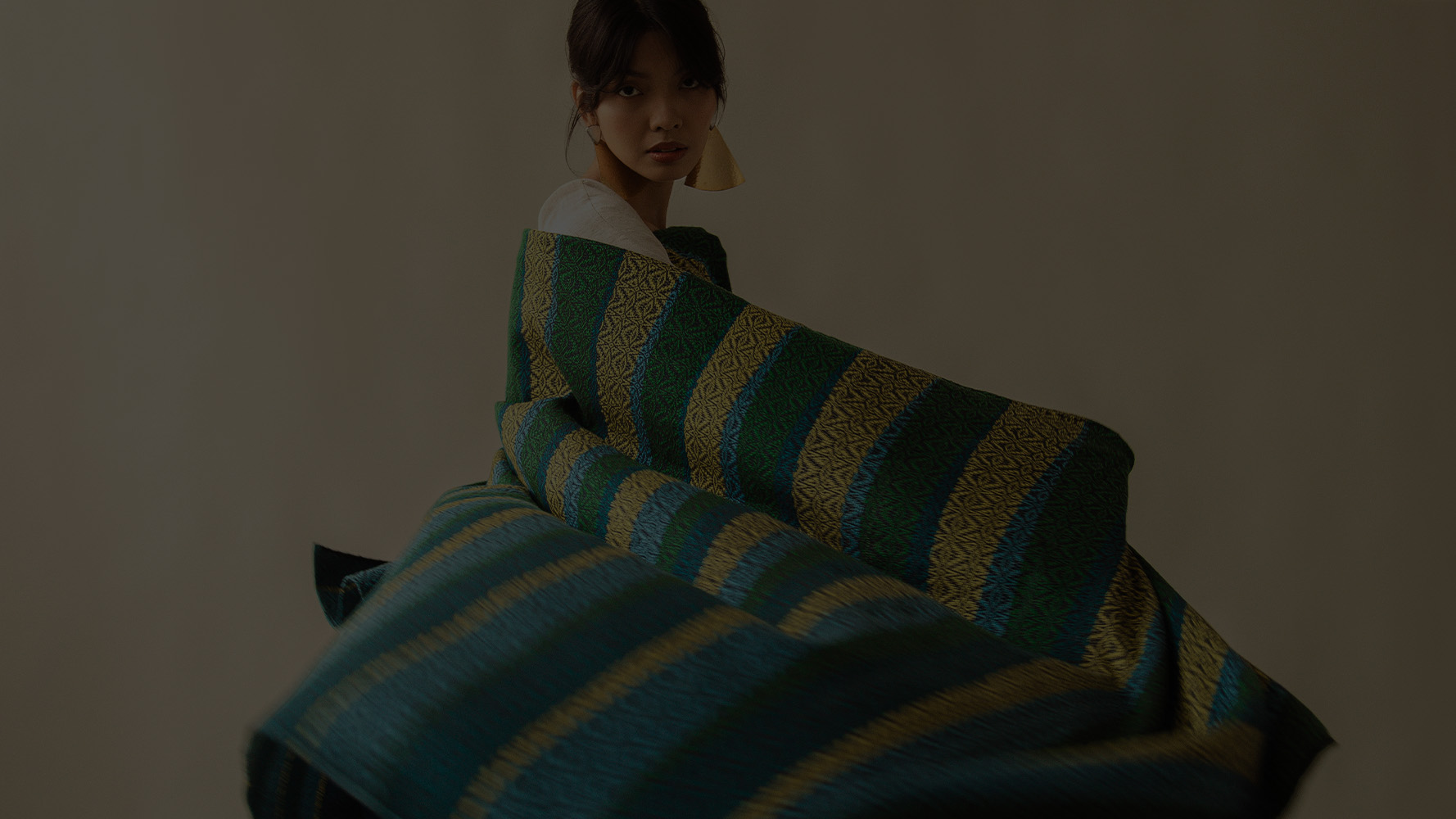
These fabrics are more than decoration; they are the threads that connect us to our heritage, subtly woven into the fabric of our everyday lives.
The vibrant colors and intricate patterns of Philippine textiles are something we’ve all seen, perhaps many times before. For some, they are reserved for special occasions or gifted to loved ones abroad. For others, they are a bold statement, catching the eye with their captivating designs. But have you wondered about the stories hidden within each thread?
Beyond their striking appearance, Philippine textiles hold a deeper, more profound narrative that spans centuries of history, culture, and tradition. One of the many eye-catching traditional textiles that embodies this very essence is called “Hablon,” which comes from the beloved province of Iloilo.
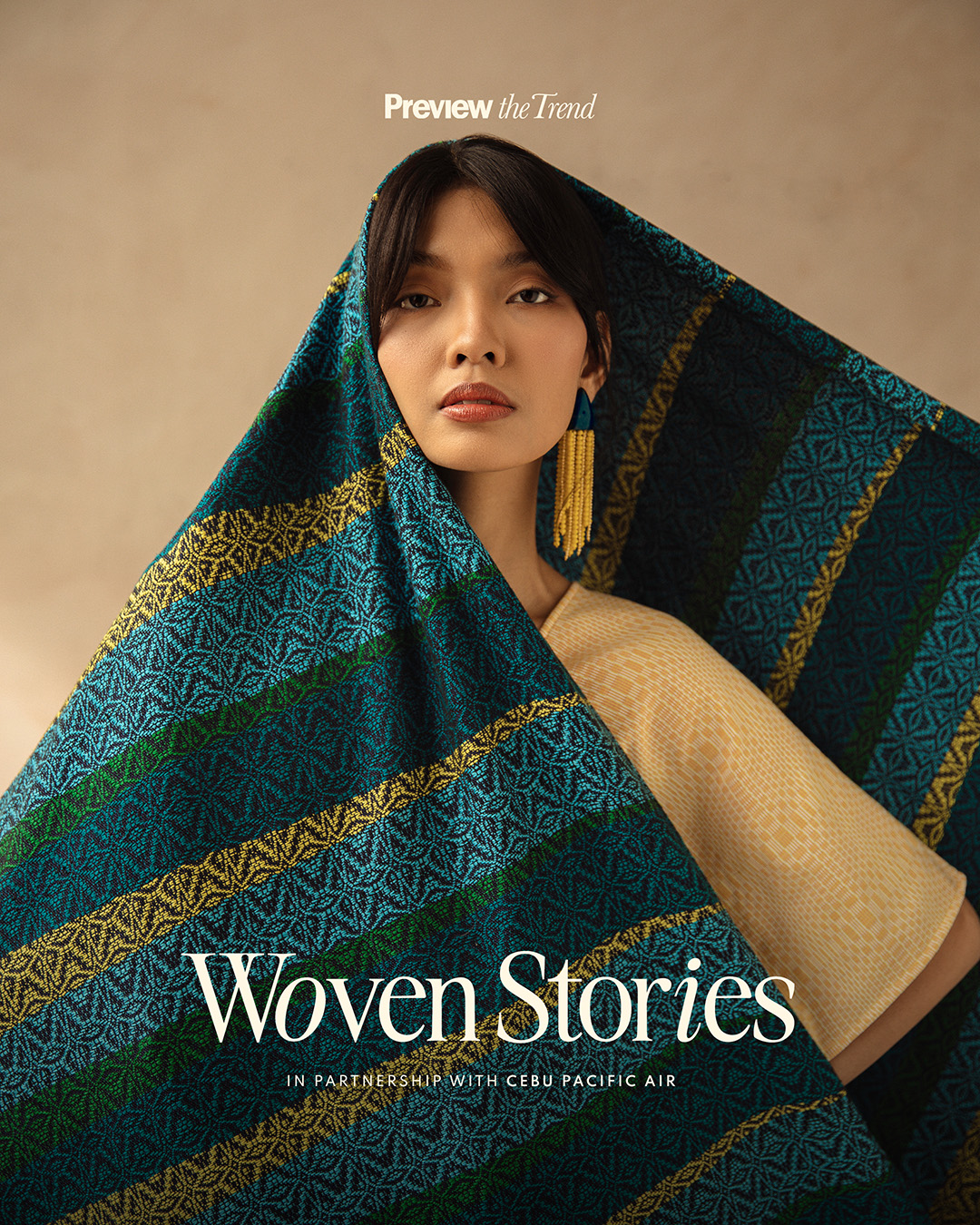
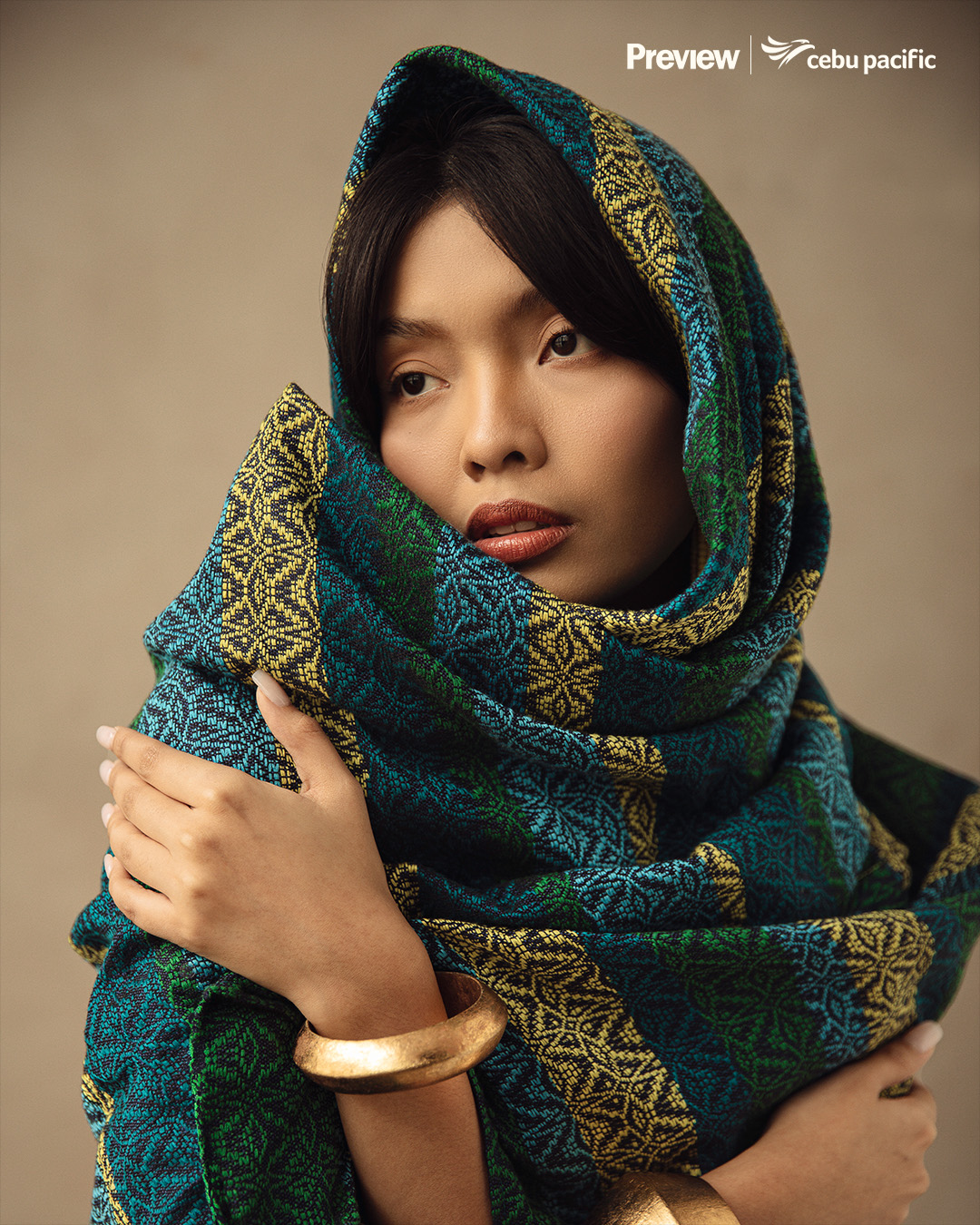
This handwoven fabric is characterized by its vibrant colors, exceptional quality, and signature plaid pattern. Usually made from materials like abaca, piña, and cotton, and later enriched with polyester and other fibers, it reflects both tradition and innovation. Crafted with care and passed down through generations, the art of Hablon stands as a testament to the enduring legacy of Filipino craftsmanship.

At the heart of Hablon's resurgence lies the Baraclayan Weavers Association, a vibrant community organization nestled in Barangay Baraclayan, Miagao, Iloilo. Founded in June 2018, this association focuses on preserving the weaving heritage of Iloilo, specifically the creation of Hablon (handwoven textiles) and patadyong (wrap skirts)—a collective effort to preserve a cherished tradition and appreciation for these beautiful cultural textiles.


With 13 active members, the association is rooted in a shared passion for loom weaving. This art form empowers women and strengthens their community by providing sustainable livelihoods. Each fabric is crafted with care, skill, and a rich legacy passed down through generations of women since the 19th century.
The Weaving Process
Local weaver Marlyn Muyana, who has been weaving for seven years, shares the intricate process of creating the well-loved Hablons. According to Marlyn, she first calculates the amount of thread needed and selects the colors according to the customer's order. This is followed by "warping," where the threads are meticulously wound onto a large beam on their handloom unit.
Next, the threads are carefully threaded through the heddles, a process known as "heading." They are then threaded through the reeds, which Marlyn calls the "sulod." Finally, the threads are prepared for weaving by tying them together, a step called "pamugi" or "tying." These threads are then wound onto a shuttle, which Marlyn calls the "baben." The shuttle will carry the weft threads across the warp to create the beautiful Hablon fabric.
Marlyn explains that creating a Hablon scarf requires meticulous planning and execution. "Humihingi po kami ng palugit na nasa isang linggo," she says, emphasizing the week-long preparation needed to set up the handloom, which follows the actual weaving process.
Weaving time varies depending on the design complexity. Simpler scarves can be completed within a day, while intricate patterns may take two days. As Marlyn points out, "Yung scarf po na [mayroong] intricate designs umaabot po kami ng two days sa isang scarf kasi po mahirap po yung pagka-setup ng pick-up sticks." The intricate designs require more pick-up sticks, increasing the weaving time and complexity for the weavers.

The intricacy of the designs in each Hablon piece and the meticulous care taken by weavers like Marlyn is a testament to their talent and passion for their craft. Each scarf is a unique work of art, reflecting the dedication and skill of the weaver who brought it to life.
Keeping the Weaving Tradition Alive and Thriving
However, the future of this art form isn't without challenges. The fast-paced world of mass production and natural disasters threaten the livelihood and delicate balance of traditional weaving.

Rosalinda Sandigan, a 63-year-old weaver of eight years, especially recalls the struggles during the pandemic when the business was particularly slow and their battle to keep ends meet.
“Nagpapasalamat kami sa mga tao na nag-o-order sa amin ng marami para rin makatulong sa ibang kasamahan namin dito na may mga estudyante. [Nagkaroon sila ng] pang-baon, tuwisyon, at saka [para] sa pang-araw-araw na,” she shares.
Today, the community is slowly trying to persevere and fight to keep the tradition alive by encouraging aspiring young weavers. Rosalinda fondly talks about the youngest among the Baraclayan Weavers Association, the daughters of one of their members.
“Gustong gusto ng bata siya ang maghahabi, hanggang sa matuto. Kapag wala ang isang naghahabi, tuwang-tuwa naman yung mga bata. Pag mayroong bayad, may pambili [sila] ng anong gusto nilang pang meryenda o pang baon [kaya] tuwang-tuwa naman sila.”
The motivation behind passing down this skill is clear: to provide for their families and ensure the survival of their cultural heritage.
Hablon in Contemporary Filipino Fashion
Needless to say, the spirit of Hablon endures. In today's world of contemporary Filipino fashion, Forward-thinking designers and fashion enthusiasts are embracing Hablon's rich heritage and versatility, transforming it into stunning modern pieces.


Among those worth remembering was esteemed Filipino designer Randy Ortiz's Randy O 35 collection, featuring Hablon among other Indigenous weaves as one of its main design elements. Meanwhile, for more casual wear, you've got nowheretogobutUP's "Wear Your Fight" collection, featuring jackets made with distinct Filipino textiles, including Hablon. Its proceeds will also benefit 30 UP varsity teams, benefiting thousands of athletes competing in UAAP events. Even Miss Universe Philippines 2020, Rabiya Mateo donned the iconic tailored white barong suit, made of Hablon and piña, for her preliminary interview for Miss Universe 2020.
This shows that Hablon’s story doesn't end in tradition. It's a canvas for creativity, allowing designers and enthusiasts to push boundaries while staying true to the fabric's cultural significance.
A Legacy Worth Preserving
So, the next time you see Hablon, remember to look beyond the fabric. You’re seeing generations of weavers, like those from the Baraclayan Weavers Association, who poured their hearts into its creation. See the rich cultural tapestry it represents. Most importantly, you should see a piece of yourself, a thread connecting you to your Filipino identity.

Fifty-year-old Analisa Diasis, a weaver of six years, also shares her aspiration for the future of loom weaving and voicing out the needs of their humble community. “Sana po marami pa kaming ma-engganyo na mga weavers na mga bata. [Sana] marami pa kaming matuturuan para mas lalong dadami po ‘yung mga member namin.”
“[May kakulangan] pa po kami [sa pondo,] sa mga pangangailangan namin, at lalong lalo na po yung mga training. Mas marami pang kailangan na training ang gusto naming malaman,” she adds.
She also discusses the Baraclayan Weavers Association's future plans to expand their services by adding sewing to their skillset, which they are excited to share. “Sa ngayon, mga bag at [maliliit na wallet pa lang ang natatahi namin]. Kapag umorder po ng bulk, ang mga weavers po [ang nagtatahi] mismo.”
Weaving Filipino Pride
Cebu Pacific’s latest initiative to spotlight local weaves like Hablon is a heartfelt commitment to preserving and promoting Filipino culture.

“Every destination in the Philippines has a story to tell, and part of that story lies in its rich cultural heritage. Weaves like Hablon are integral to that identity, and we’re proud to give them the attention they deserve,” says Michelle De Guzman, Marketing Director of Cebu Pacific. “To make these crafts more accessible and appreciated, we’ve added QR flight codes. These aren’t your typical QR codes—they serve as windows to explore the Philippines, one island at a time.
The airline collaborates with the Department of Science and Technology – Philippine Textile Research Institute and weaving associations, including the Baraclayan Weavers Association in Iloilo, the Yakan Weaving Village in Zamboanga, and the Awati-ti Kape Community Development Program in Occidental Mindoro. These partnerships ensure that Cebu Pacific respects the artistry, history, and culture behind the weaves while creating opportunities for local communities to thrive.
“It’s one thing to visit a destination, but it’s another to connect with its culture. Understanding the tradition and artistry behind something like Hablon gives you a deeper appreciation of the place and its history and people,” Michelle explains.
“When travelers take home weaves from local artisans, they’re directly helping communities and preserving traditions that might otherwise fade away,” she highlights. “It’s more than taking home a souvenir; it’s about taking home a story and becoming part of the effort to keep these beautiful traditions alive.”


The public can also play a significant role in supporting local weavers and crafts like Hablon. “The simplest way is to buy their products, whether it’s clothing, accessories, or items you can use at home. Each purchase helps sustain the livelihoods of the artisans behind these beautiful pieces,” says Michelle.
Visiting weaving communities is another great way to support the locals. “When you see the process up close, you appreciate the skill and effort involved. Plus, it’s a unique cultural experience that stays with you even if you leave the Philippines.”
Every Hablon piece is a legacy that binds us to our past and propels us toward a future woven with cultural pride. These fabrics are more than decoration; they are the threads that connect us to our heritage, subtly woven into the fabric of our everyday lives.
Explore Iloilo and enjoy direct flights from Manila, Clark, Cebu, Davao, Cagayan de Oro, General Santos, Puerto Princesa, Tacloban, Zamboanga, Hong Kong, and Singapore with Cebu Pacific. Discover more about the weaves through the QR code featured above.
For more information and updates, follow Cebu Pacific on its Facebook page or visit its website.
***
Photographer: Belg Begica assisted by Sarah El-Ali
Art Director: Bea Malonzo
Managing Editor: Deb Austria
Production Manager: Mary Joyce Montinola-Lapasaran
Styling: Roko Arceo
Wardrobe: Idyllic Summers
Hair & Make up: Team Muriel Vega Perez
Model: Raejell Roxas
Writer: Fen Lozada
Videographer: Yanie Cruz
Studio: Espacio Creativo Escolta
Hey, Preview readers! Follow us on Facebook, Instagram, YouTube, Tiktok, and Twitter to stay up to speed on all things trendy and creative. We’ll curate the most stylish feed for you!
This article was created by Summit X in partnership with CEBU PACIFIC.
