The Preview Girl, Guy, and Gay’s Guide to Pronouns
Here’s what to do when you’re unsure how to refer to someone.

by Kyla Villena
Published on Nov 19, 2025
When we repeat a word often enough, we risk forgetting the weight it carries. Pronouns, for instance, are used every single day. And while they may seem simple and instinctive—especially for those whose gender identity aligns with the sex assigned at birth—the reality can be far more complex for many in the LGBTQIA+ community.
For people who aren’t consistently recognized for who they are, something as basic as pronouns can become a daily reminder of being unseen or misunderstood. It can feel like moving through the world on a narrow line, where even an offhand comment or misstep from someone else can trigger frustration, discomfort, or emotional strain. Imagine having to correct others again and again—not because you want to, but because your humanity must be acknowledged. And how draining it must be when, instead of meeting you with care or simply taking the step to get it right, others make the path even harder to walk.
Earlier this month, Iyah Mina took to Facebook to express her disappointment with a Starbucks branch along West Avenue in Quezon City, where an employee repeatedly misgendered her. “Okay lang naman na magkamali ng tawag! Paulit-ulit lang talaga yung tawag na ‘sir,’” she wrote. “Kung hindi alam itatawag na pronoun, eh ‘wag nang itawag… tinanong mo pa ako ulit kung ‘sir’ ba o ‘ma’am.’”
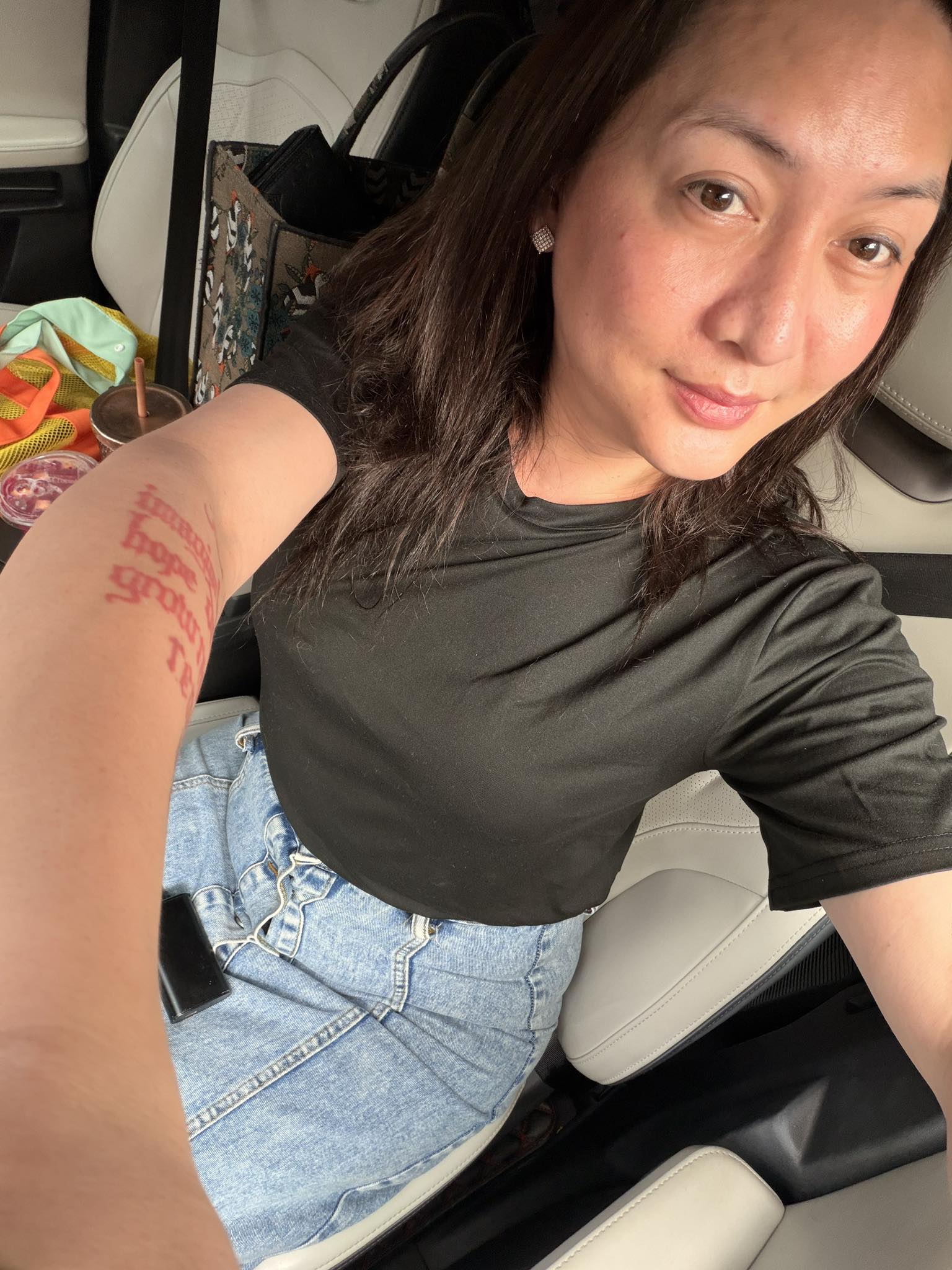
Needless to say, this wasn’t an isolated incident; many people have experienced the same, and the comments section reflected the broader misconceptions surrounding it.
One netizen wrote, “Stop forcing people to agree with something they don’t personally believe. You identify as a woman? Fine. But not everyone sees you that way, and that should be respected too.”
Another Facebook user added, “You are a public figure somehow because of your work,” referencing Iyah’s visibility in the industry—she is the first trans woman in Philippine cinema to win Best Actress—before saying, “Try promoting peace instead of hatred by calling people out.”
But is it accurate to frame a request for correct pronouns as “hatred”? The employee’s mistake may have been unintentional, but that doesn’t mean those on the receiving end of misgendering should be told to simply ignore it.
Being true to one’s identity does not equate to entitlement; it is a fundamental aspect of living with the same dignity afforded to anyone else. And despite Iyah clearly stating in her post that she identifies as a woman, several commenters still addressed her as “sir.”
That choice is deliberate, and it highlights a broader issue that goes beyond a single interaction—one that reflects how easily respect can be withheld, even when clarity has already been given.
The real world isn’t like Instagram, where our names and pronouns are written right beside our faces. Preview asks members of the LGBTQIA+ community for their thoughts on the recurring incident, and for what people should actually do when they’re unsure of what pronouns to use.
When we reached out to Rod Singh, she swiftly shared that she was in the process of crafting a now-published essay, where she expressed the tireless case of being told that the community often plays victim and weaponizes oppression.
“So paano ba? Are we not supposed to speak? Are we not supposed to react?”
Remarkably, people don’t only get angry or pressed when they’re corrected; they also react violently when queers are affirmed and recognized the way they should be. The award-winning trans writer and filmmaker put it simply: “We’re just claiming what’s ours: our truth, our name, our pronoun.”
She also took a moment to commend the Quezon City Gender and Development Office for taking action, noting that “discrimination on the basis of sexual orientation, gender identity and expression (SOGIE) is prohibited” under the Gender Fair Ordinance of Quezon City. This was mentioned by Iyah as well, when she posted the following day of the incident that the coffee shop reached out to her to make amends.
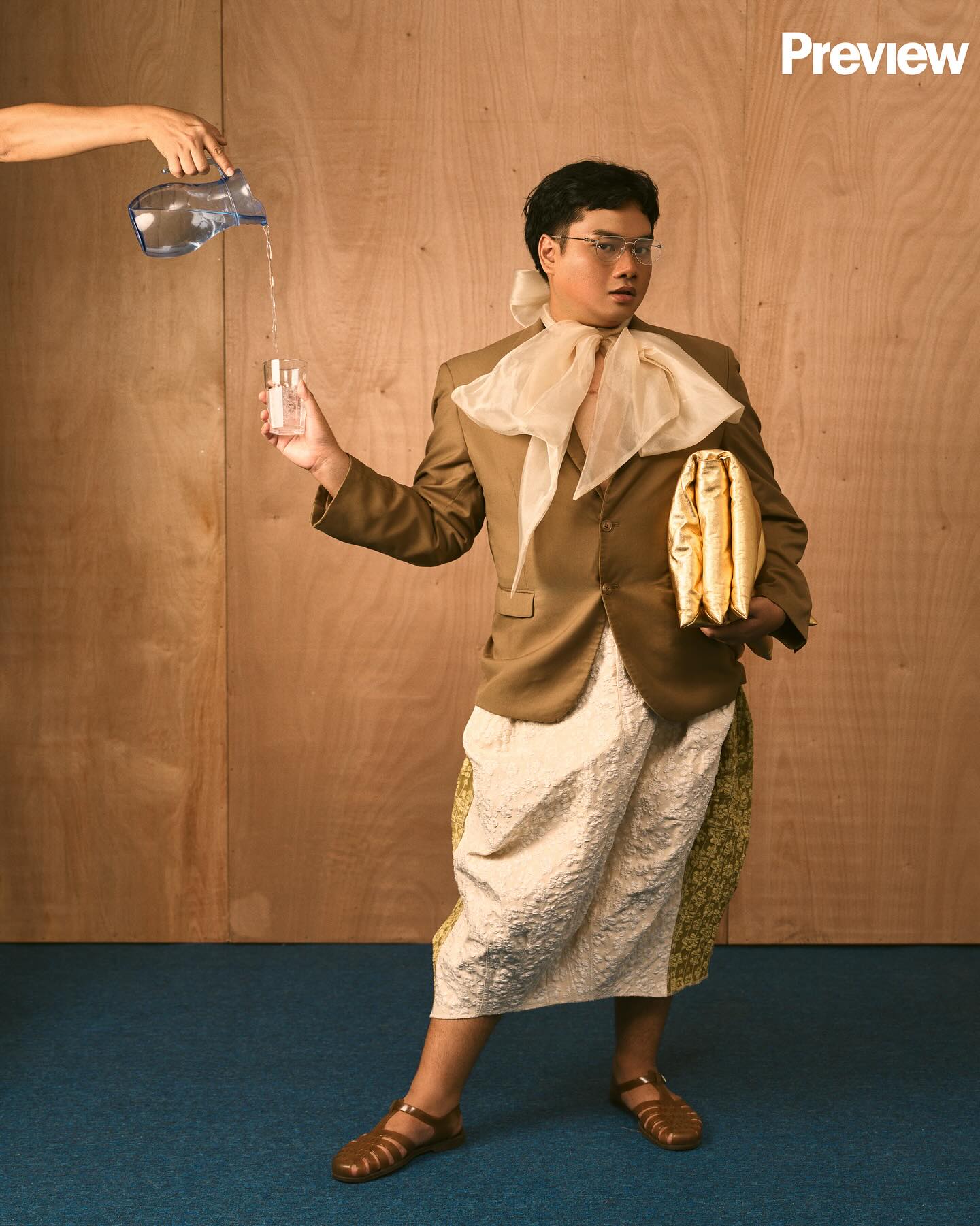
“Asking for pronouns feels like a delicate task for many people, especially those who don't identify under the queer spectrum,” Em Enriquez, Preview’s Associate Entertainment Editor, expressed. “But I feel like it should be such an easy thing and should be normalized, because everyone has pronouns whether you're queer or not.”
If you’ve made the same mistake or want to prevent it from happening (as you should), Em says, “It's always best to just ask whether, in your mind, halata or hindi what their pronouns are.” They noted that there are people who would be offended if you assume their pronouns, merely based on how they look or dress. “‘Di mo siya masasabi because hindi naman ikaw 'yung taong 'yun, so just ask.”
Janlee Dungca, the Managing Directress of Castro PR, and the Head of Public Relations of non-government organizations Love Yourself and Angat Buhay, highlighted to Preview the proper way of asking someone mindfully. She emphasized, “Pronouns are part of a person’s gender expression, which may or may not align with their gender identity (their deeply felt internal sense of gender) for several reasons—such as prioritizing safety and comfort, being in a stage of transition or exploration, or managing social and cultural expectations,” and this is why it’s best to ask.
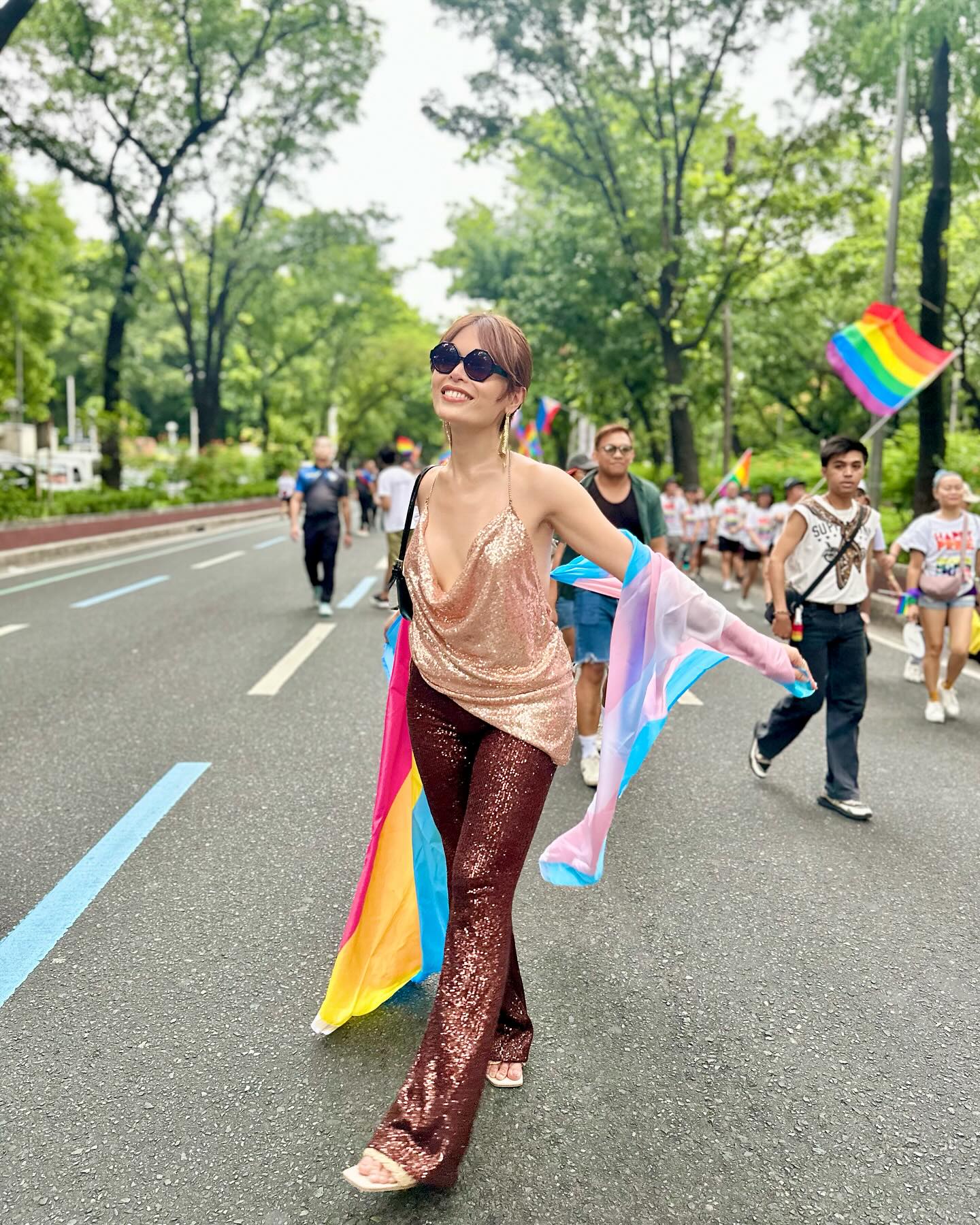
“Before asking, always listen intently first, as the person might have already mentioned their pronouns while speaking,” she said. “If that doesn’t suffice, ask respectfully.” Janlee noted that there are CIAs when asking someone questions generally related to gender, sexuality, and expression.
C - Context
This refers to your relationship with the person. They should be somebody who is close to or important to you. They could also be someone whom you simply need to address properly.
I - Intent
Intent refers to your reason for asking—and no, curiosity is not a valid one. Your intention must be meaningful and rooted in the objective of recognizing someone the way they should and want to be.
A - Approach
Approach is how you ask. Tone and phrasing play a significant role, so allot thought and care to that. It’s important to make the person feel comfortable. Introducing yourself with your pronouns and your intent may assist in making the other person feel at ease.
All of these considered, you may proceed to ask. It matters, however, to engrave in your heart that being an ally goes beyond mindfully asking for pronouns. It is a step forward—one that requires empathy, and a genuine desire to understand others and to cultivate safer spaces—but it is not the destination.
Addressing someone properly is not too much, but it is also not enough. It is a basic step that marks the start of inclusivity, not the end, so put on your shoes and begin walking the journey.
Nobody needs to be on a tightrope. The LGBTQIA+ community deserves to walk the lands safely—just like how the rest of us do.

Kyla Villena loves a good lip gloss and a trip to the art gallery. She is Preview's beauty girl, who doubles as a self-proclaimed motivational speaker.