We Asked Editors: What Does It Really Take to Do the Job "A Million Girls Would Kill For" Today?
As media and publishing continue to evolve, editors are redefining what the job looks like in the digital age.
by Kyla Villena
Published on Jul 3, 2026
Escapism is a common reason people flock to the cinema. For a few hours, we free ourselves from the shackles of the world we live in and immerse ourselves in alternate realities where we are, essentially, safe from harm.
That wasn’t exactly the case when I watched The Devil Wears Prada 2 for the first time.
In 2006, The Devil Wears Prada captivated audiences with its fantasy of working at a fashion magazine. It gave us iconic lines and unforgettable designer looks that are still referenced nearly two decades later.
While Andy Sachs (Anne Hathaway) represented the skeptics who believed their work wouldn't save lives, the film also presented the opposite perspective through Nigel Kipling (Stanley Tucci), who ultimately convinced her that everything they put out serves as "a shining beacon of hope" for somebody, somewhere. With that in mind, it only made sense for Miranda Priestly (Meryl Streep) to be an editor-in-chief (EIC) who ruled with an iron fist.
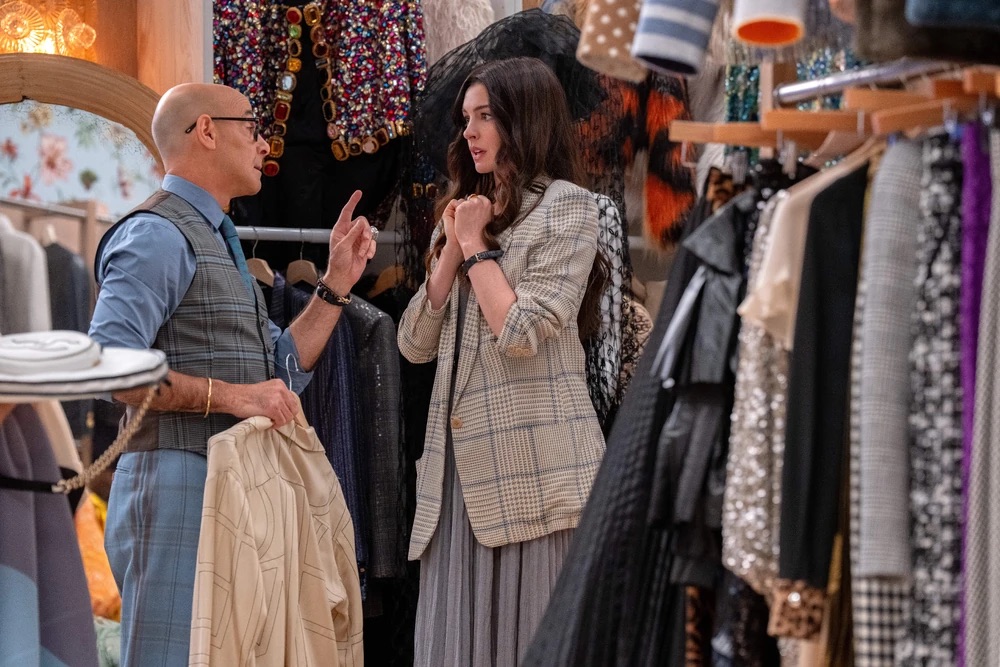
The sequel, which came out around two months ago, did not hesitate to present the realities the industry faces today. As Preview’s EIC Marj Ramos-Clemente put it, “Increasingly, editors are left to defend why we still matter at all. And the once-mighty Miranda Priestly is no exception.”
Beyond having to hang her own coat and watch her now-cancellable vocabulary, Miranda also had to navigate the other realities of being an editor in this day and age. She had to soften her approach and set aside her own wants to cater to advertisers, who play a significant role in keeping magazine titles alive.
Andy, now a features editor, questioned her confidence after publishing a story she was proud of, only for it to fall short on page views. Nigel, meanwhile, had to scale down his artistic vision and execute his groundbreaking ideas on a tight budget. "I used to get four weeks in Africa with Avedon to do a glossy spread. Now I'm lucky if I get two days at Milk Studios to shoot content that people scroll past whilst they pee," he says.
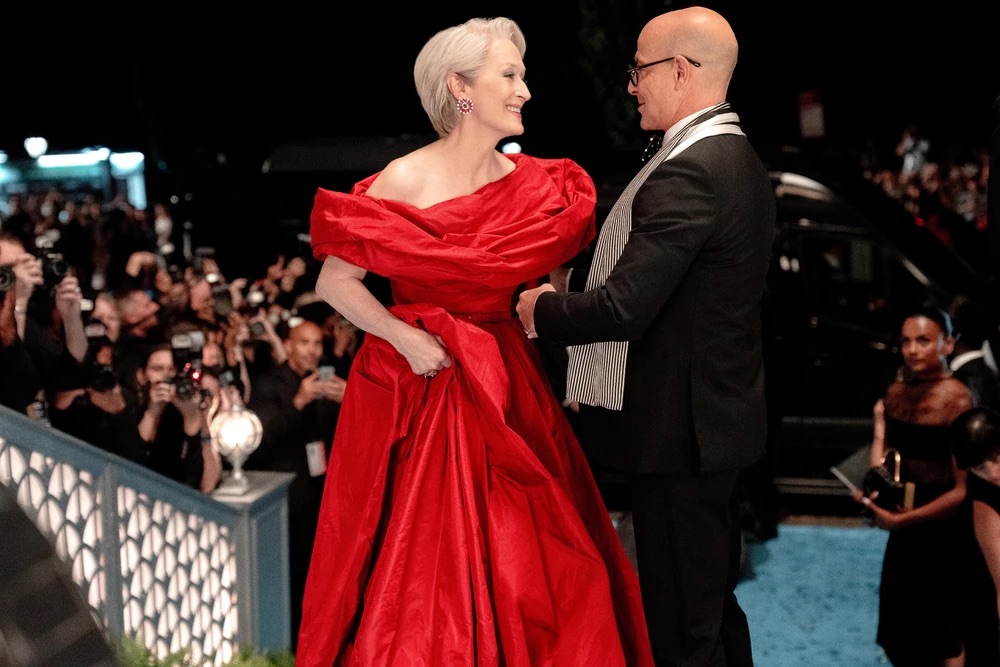
It may be a work of fiction, but that doesn't make it any less realistic or relatable. The landscape has changed, and the algorithm refreshes faster than you can flip the page of a glossy magazine.
So if you're wondering what it really takes to land—and keep—the job "a million girls would kill for," Preview asked editors to share how they've adapted as journalists in a digital-first world.
How Have You Adapted as a Modern Editor As the Media and Publishing Landscape Has Evolved?
Ida Aldana, Executive Editor, Cosmopolitan Philippines
“I’ve adapted by approaching editing more as a dialogue. It’s now a two-way exchange with your audience—through comments, through metrics, through the work they put out themselves—and that shapes how I edit, because everyone has a platform in some sense too.
“This has also meant thinking across platforms, because that dialogue is happening everywhere—on the website, in the comments, even through events and digital billboards—so I don’t just edit for one medium anymore. That same dialogue makes you more conscious of the world you create in; you don’t edit in a vacuum. So I’ve had to be more intentional about our values and about keeping things real rather than overpolished. As ‘modern’ editors, we’re more in line with how the world actually is, not just some idealized version of it.”
Jerome Gomez, Editor-in-Chief, Spot.ph
“The thing about being an editor today in a publication like Spot, which covers a wide range of topics, is that you’re always overwhelmed every time you open your Instagram. There are so many things happening, so many things to cover, so many things other sites are covering that we’re not.
“It can get frustrating—especially for someone who’s quite competitive—because the reality is that you can only cover so much. So I’ve learned—well, I’m still learning—to be more forgiving of my natural limitations, and celebrate the wins when we can, like when we do get to put out a really good story, a scoop or an exclusive. I just tell myself, hindi naman araw-araw Pasko (but wouldn’t it be grand if it were?)”
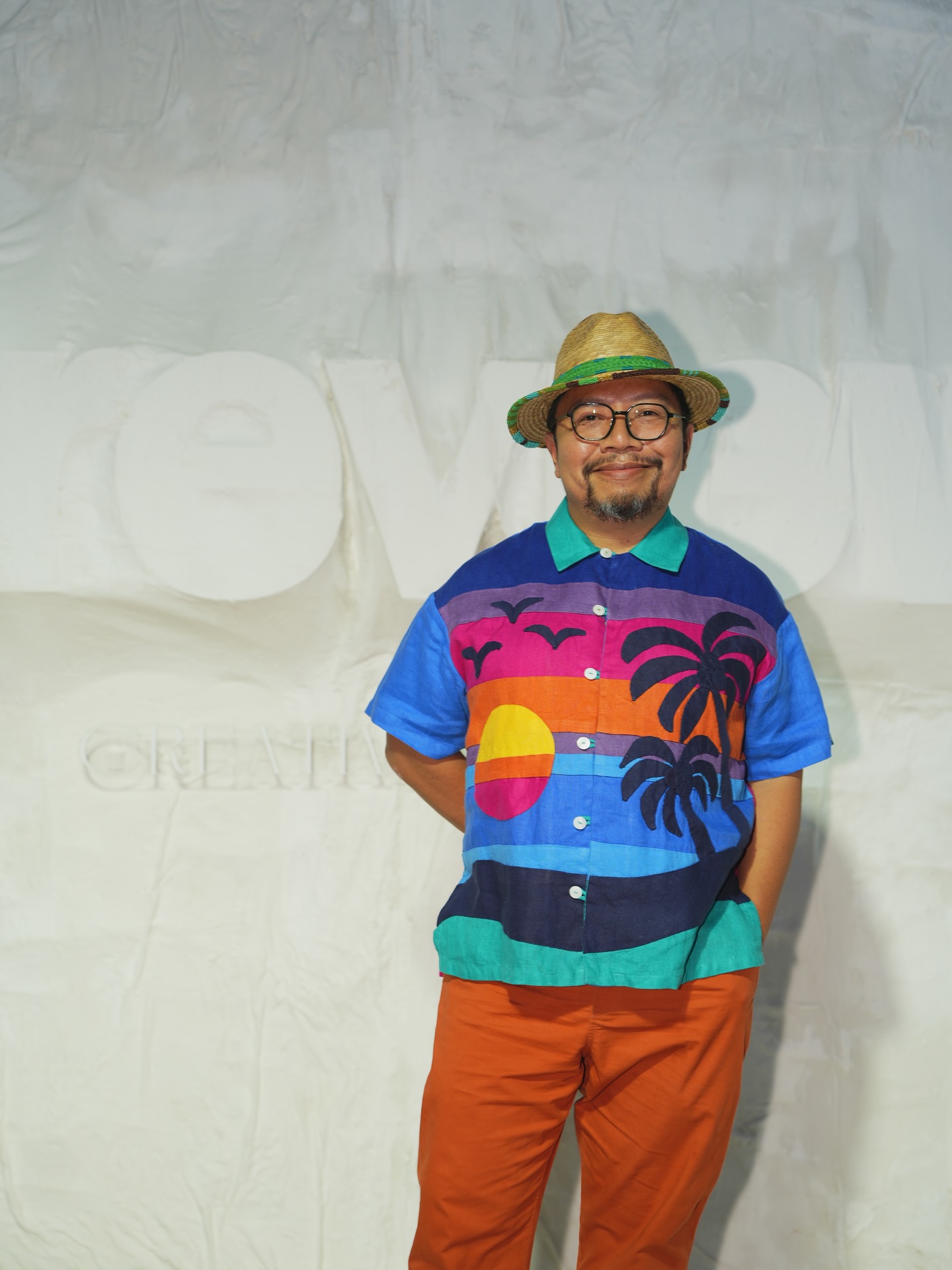
Clara Rosales, Senior Section Editor, Spot.ph
“Ultimately, editors still try their best to keep the story and its message at the core of what we do, but how it’s packaged, distributed, and even how audiences consume has changed so much in just a few years. We don’t just write or edit—we have to be masters of copy, adept at socializing, business-savvy, and refined in front of the camera. It’s a great opportunity to try new things, but doing everything all at once can stretch us out too thinly.
“Editors can’t be idle nowadays. There’s always something new to learn and if you don’t keep up, you get left behind. It’s not all bad, though. We no longer just write and edit, but that’s also the best part—we no longer just write and edit. We are challenged and empowered to do more and expand our horizons. It also helps me to understand the struggles and the perspectives of other creatives in the industry.”
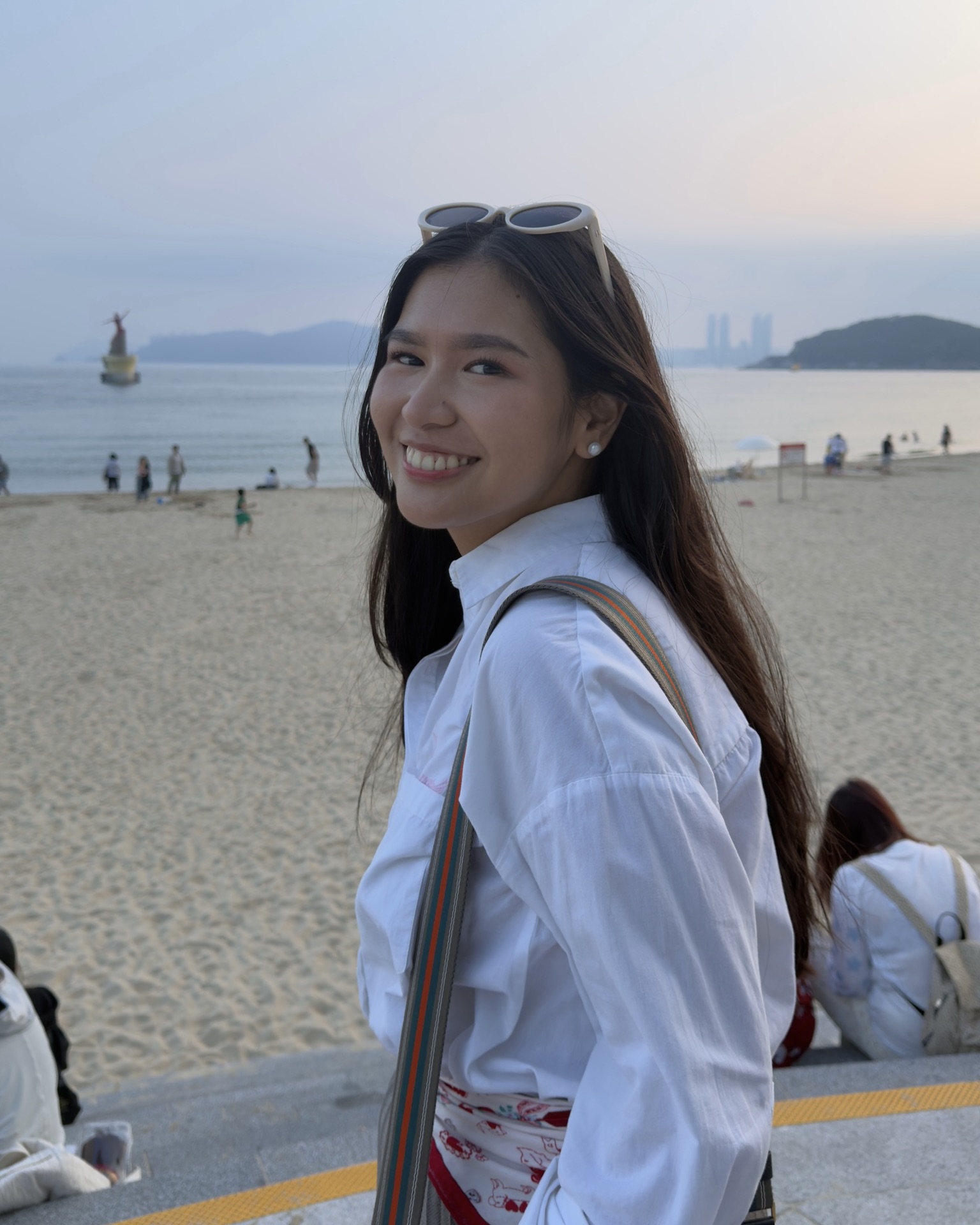
Ronna Bonifacio, Editor-in-Chief, Smart Parenting
“I started my career in publishing in 2007; there were hardly any websites, Facebook had just arrived in the Philippines, and we were creating editorial content for monthly glossies. The pace is different. We had almost an entire month to create each issue; with digital, the markers reset daily. We had time to savor each long feature and each editorial. I’ve seen the landscape change in different ways, such as favoring shorter, quicker content for dailies. But it’s also given rise to other forms of deep-diving into one’s interest: podcasts, forums, and stronger fandoms.
“One way I’ve adapted to digital media and publishing is by actively listening to my audience. We can receive feedback and insight right away, whether we’ve hit or missed the mark. But it is important to balance this with foresight, editorial instinct, and the ability to predict shifts in culture. In the age of self-publishing, it’s also imperative to hold on to curiosity, ethics, and fact-checking more than ever.”
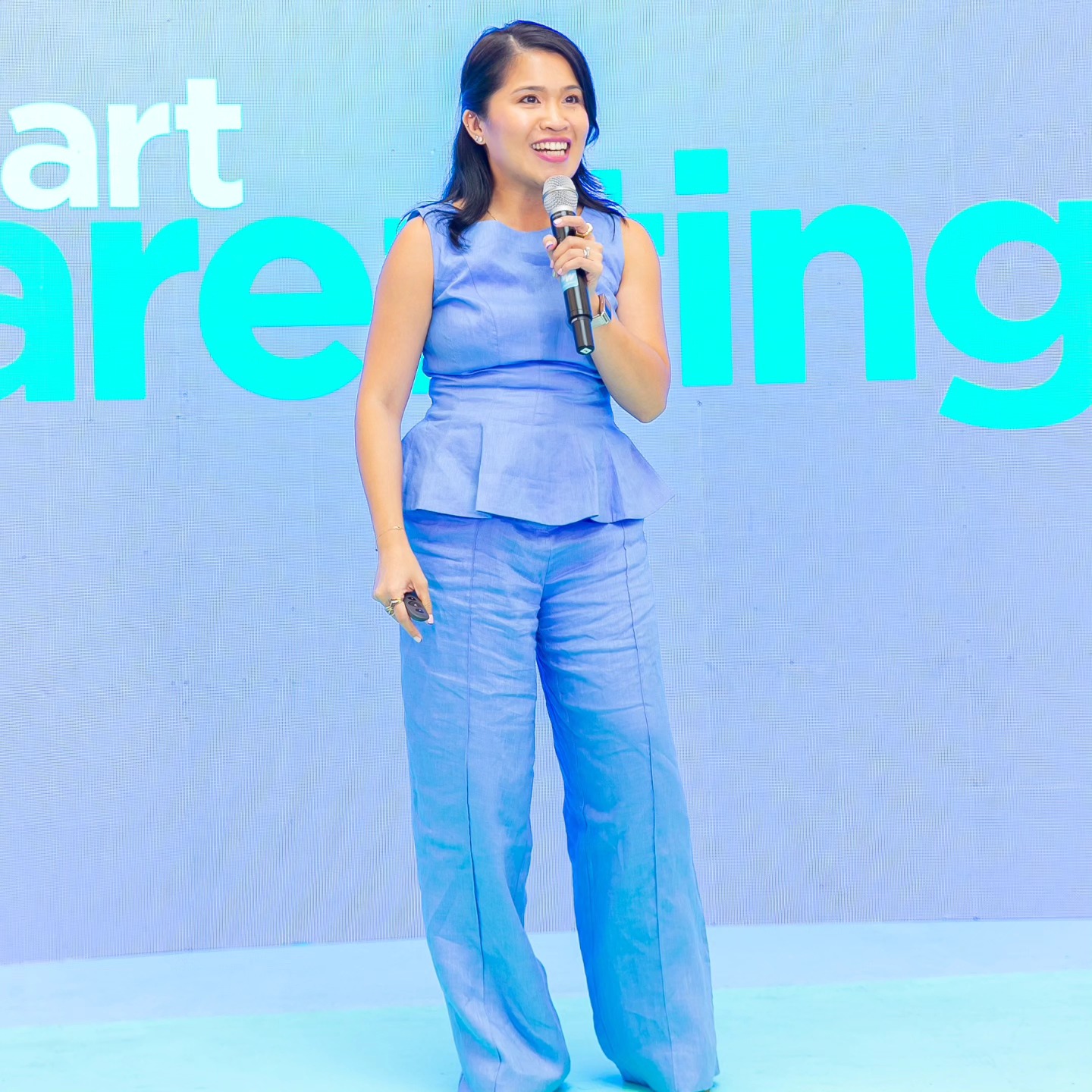
JV Ordoñez, Features Editor, Esquire Philippines
“Coming from print media and a hard news publication, taking on the role of a features editor for Esquire had a slight learning curve to workaround. It was my first time working via a content management system—even multiple ones as we transitioned into a more modern interface at the midway point of my first year—and it felt like a lot of work at first.
“As I got used to the workflow that involved considering SEO factors and where to get images we could use in stories, it eventually felt like clockwork that didn't take too much effort as before. Though, I still miss getting pieces published on print. One caveat is that being an online editor means you aren't constrained to a strict print deadline.”
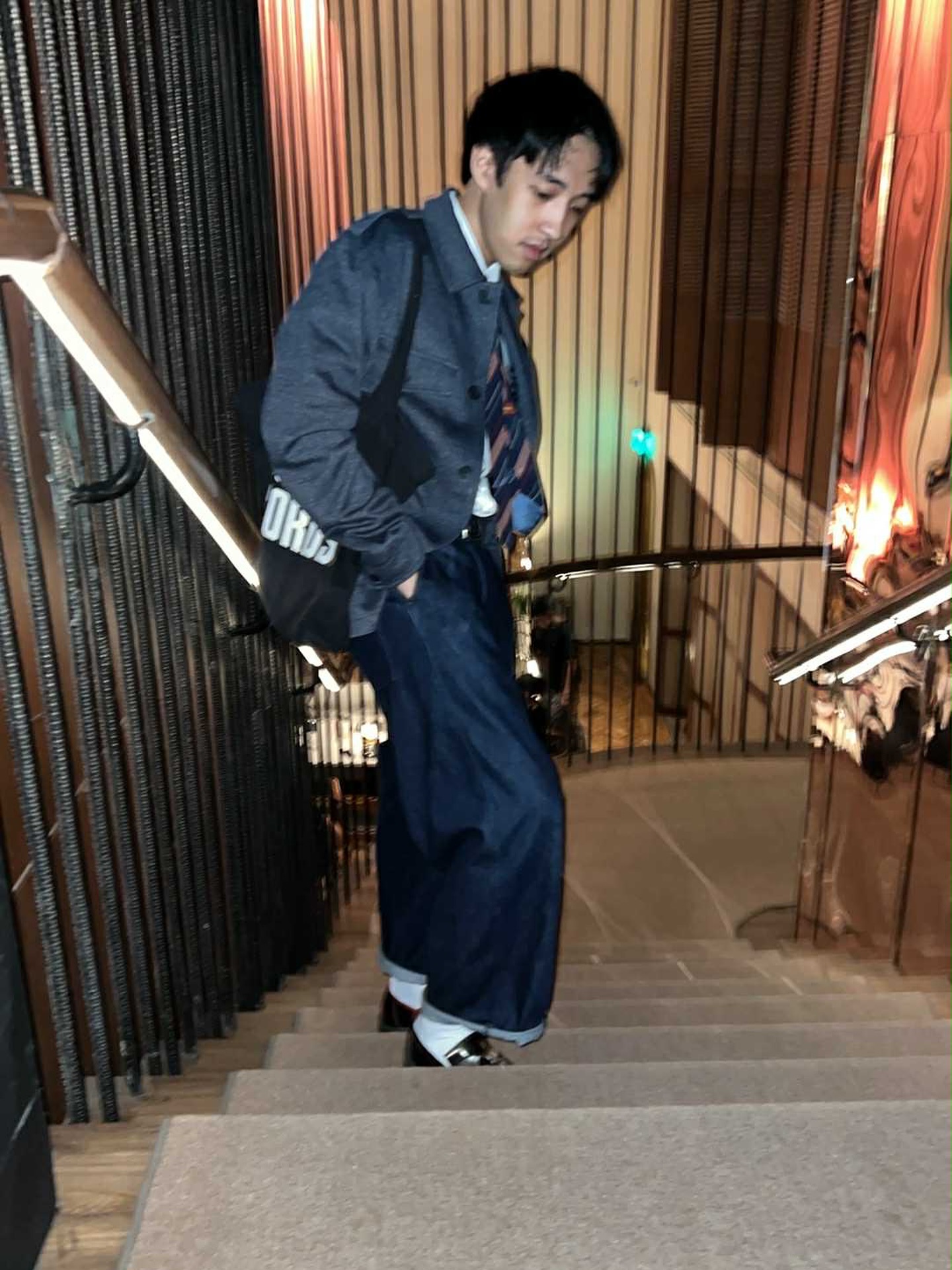
Nikko Tuazon, Senior Lifestyle and Social Media Editor, Pep.ph
“Adapting as a modern editor has meant staying agile and audience-focused. With the sheer volume of information available today, I’ve learned that it’s not just about producing more content, but creating content that’s relevant, useful, and aligned with what people genuinely care about.
“The role has also evolved far beyond writing. Publishing now spans multiple formats—articles, videos, photos, and social media—so I’ve made it a point to continuously upskill and become more versatile in how I tell stories. Editors really wear a lot of hats these days. What used to take an entire team can now sometimes be handled by just a few people—or even a single editor.”
“That’s the reality of the industry, and I’ve learned to adapt and grow within it by staying flexible and open to learning—whether it’s producing content, packaging stories, or understanding performance across platforms. At the same time, I believe there needs to be a balance. Quality, accuracy, and sustainability shouldn’t be sacrificed just to keep up with speed and volume.
“I also rely a lot on data now. I keep an eye on metrics and audience insights to guide my decisions, but at the same time, I still trust editorial instinct. Credibility also remains a top priority. In an era where misinformation spreads easily, especially on social media, I make it a responsibility to fact-check thoroughly and maintain accuracy in every piece of content.”
Katrina Maisie Cabral, Lifestyle Editor, Preview
“I think I've become a lot more aware of what audiences are looking for. We don't exist in a vacuum, and we're not creating stories just for ourselves. You always have to think about who's going to read it, what they'll connect with, and what they'll actually find useful or interesting.
“I also think the biggest adjustment has been the pace. We don't have the luxury of time that editors had in the print days. Things move so quickly now, and people's interests can change as fast as they scroll to the next post. So a big part of the job is being able to adapt in real time while still holding on to good editorial judgment.”

Kyla Villena loves a good lip gloss and a trip to the art gallery. She is Preview's beauty girl, who doubles as a self-proclaimed motivational speaker.