Inside the Loewe Foundation Craft Prize 2026 in Singapore
Korean ceramic artist Jongjin Park took home this year’s top honor for a sculptural work exploring collapse, tension, and material transformation.
Published on May 13, 2026
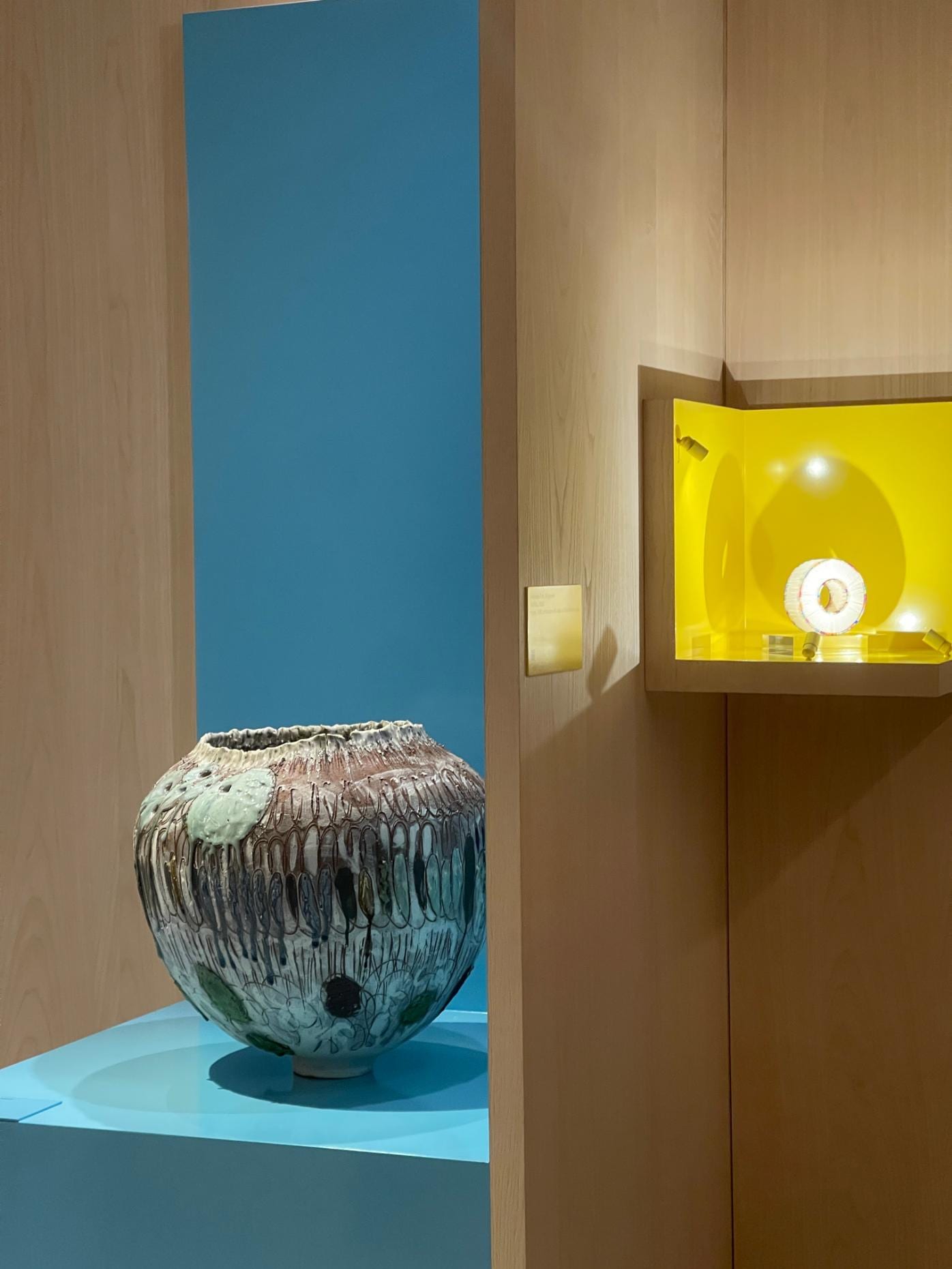
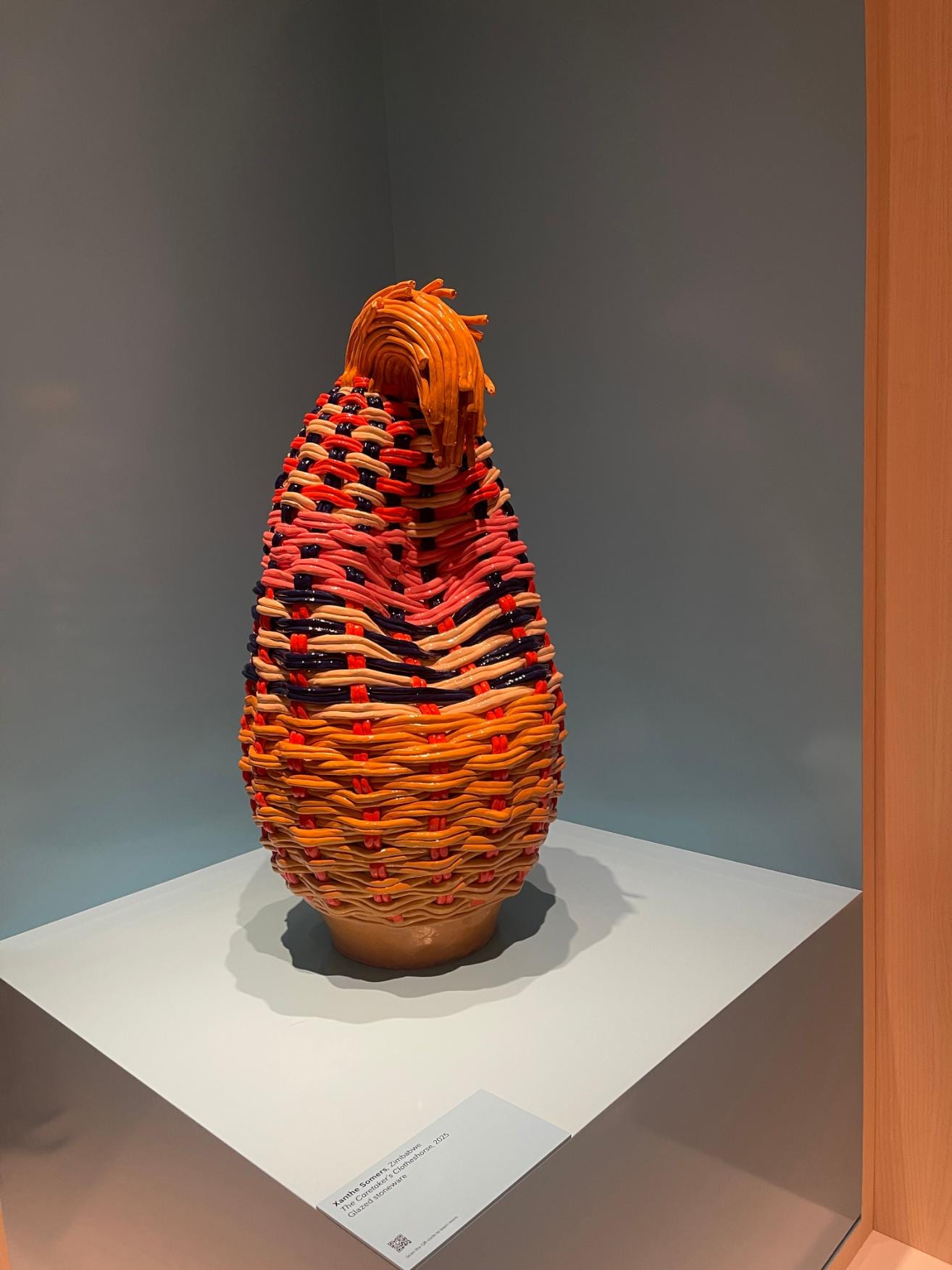
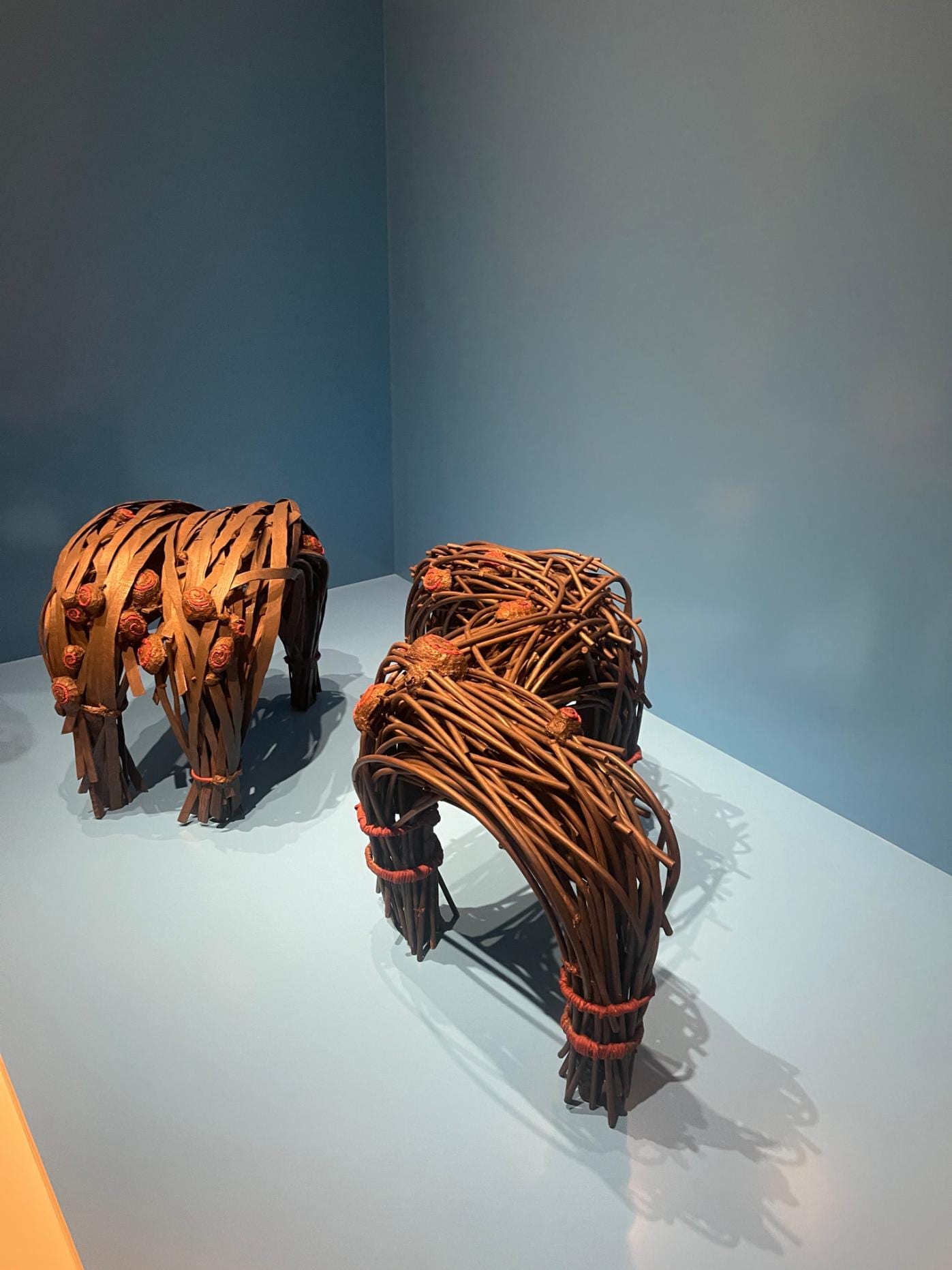
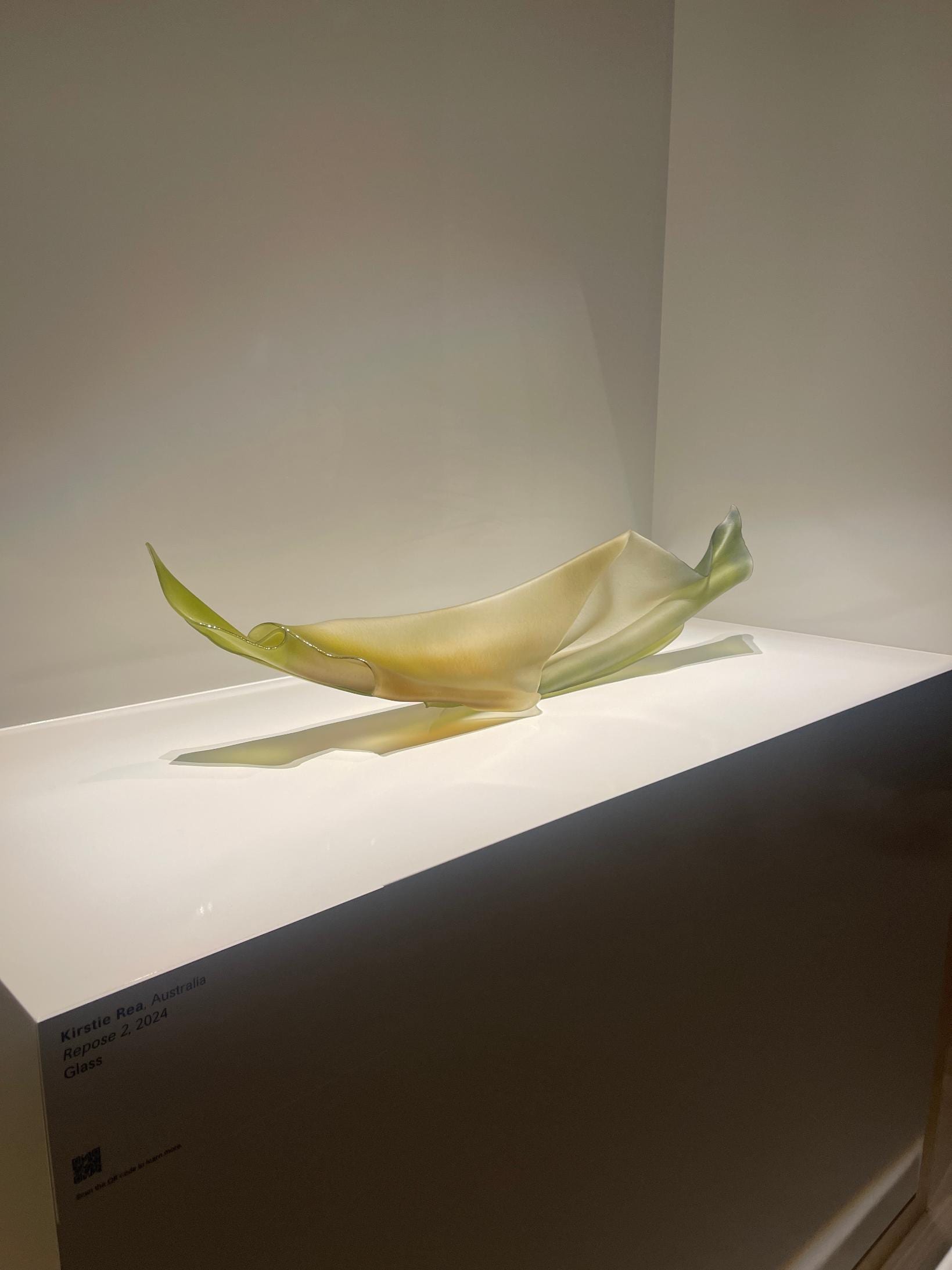
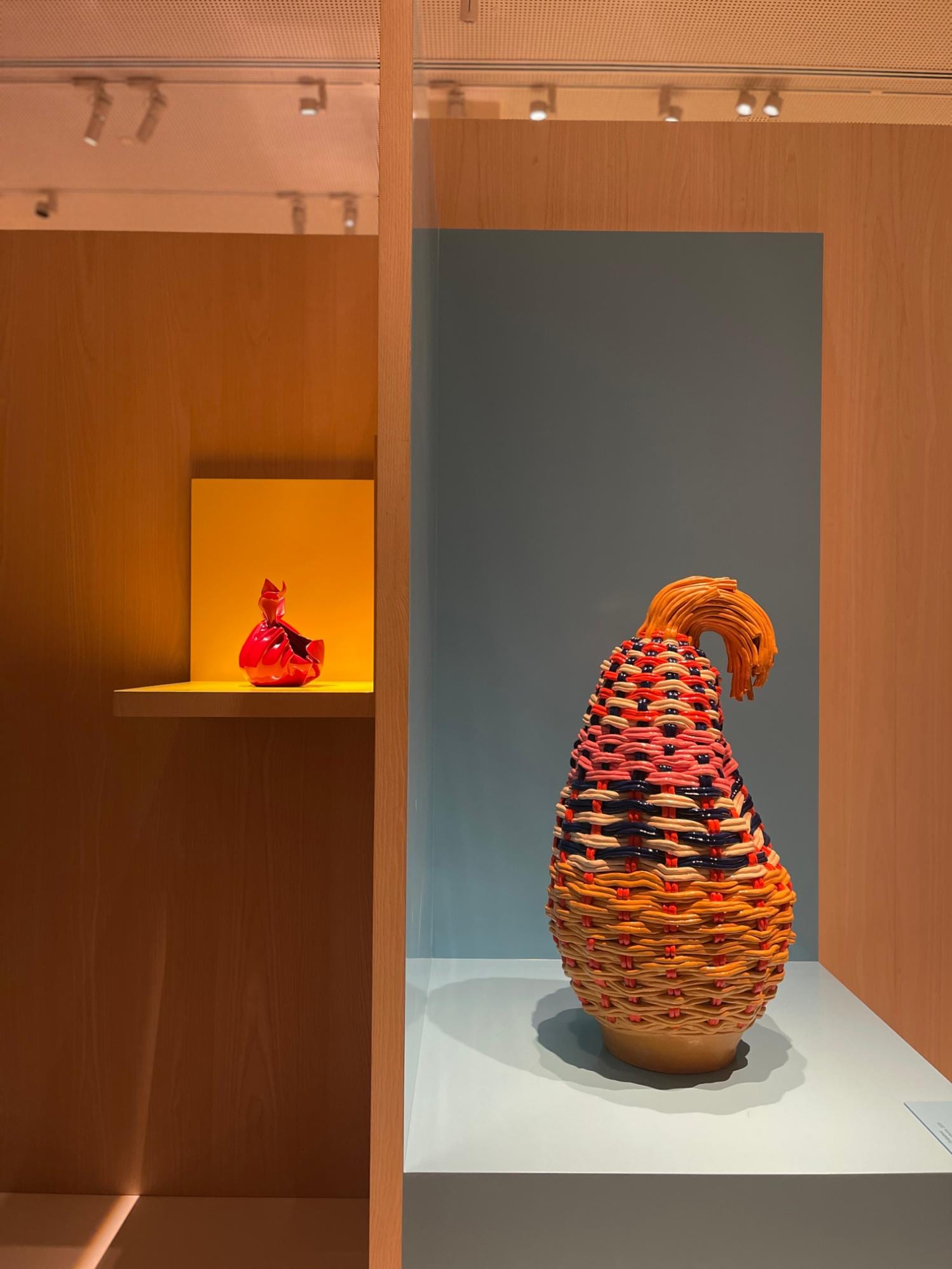
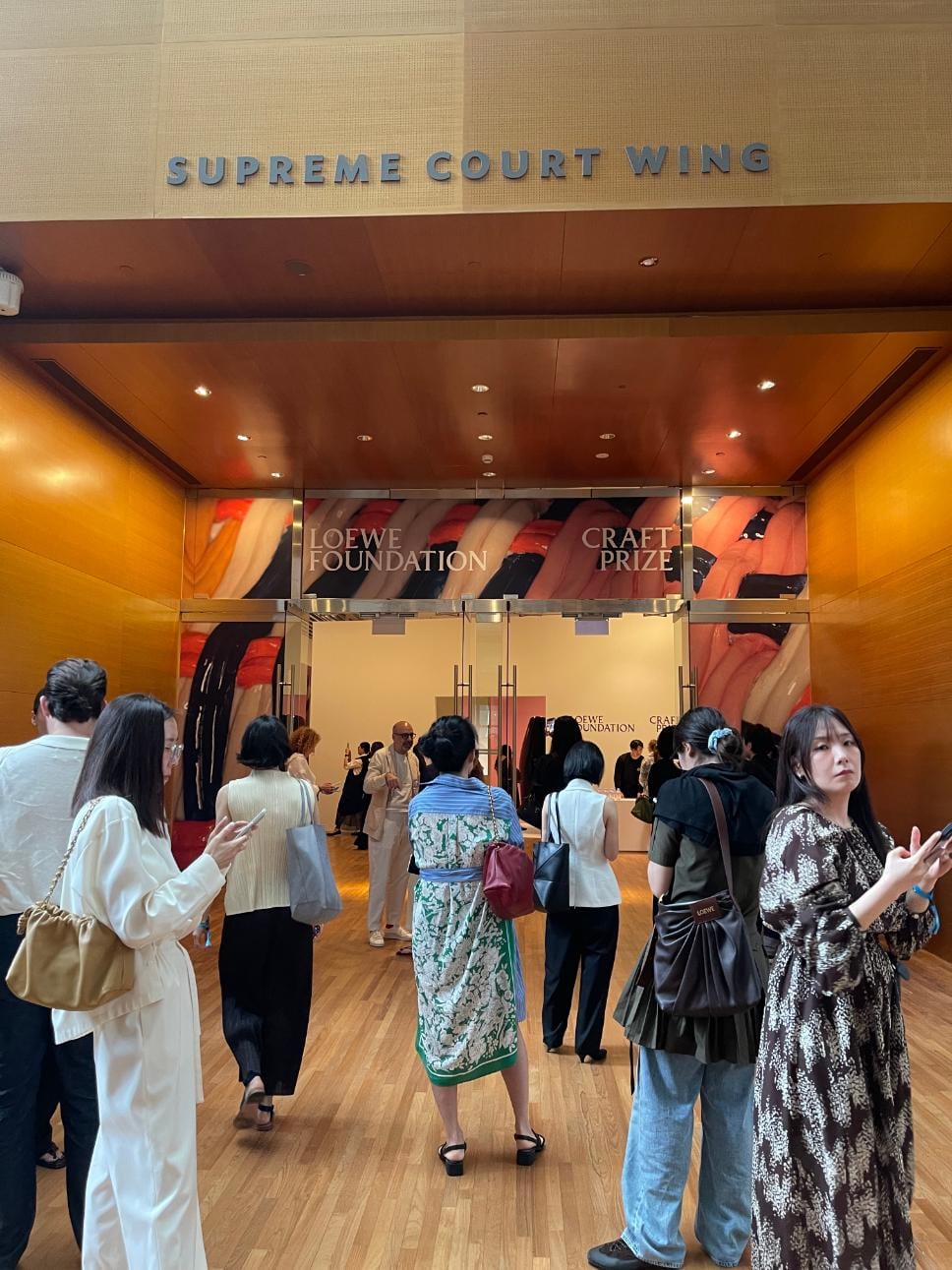
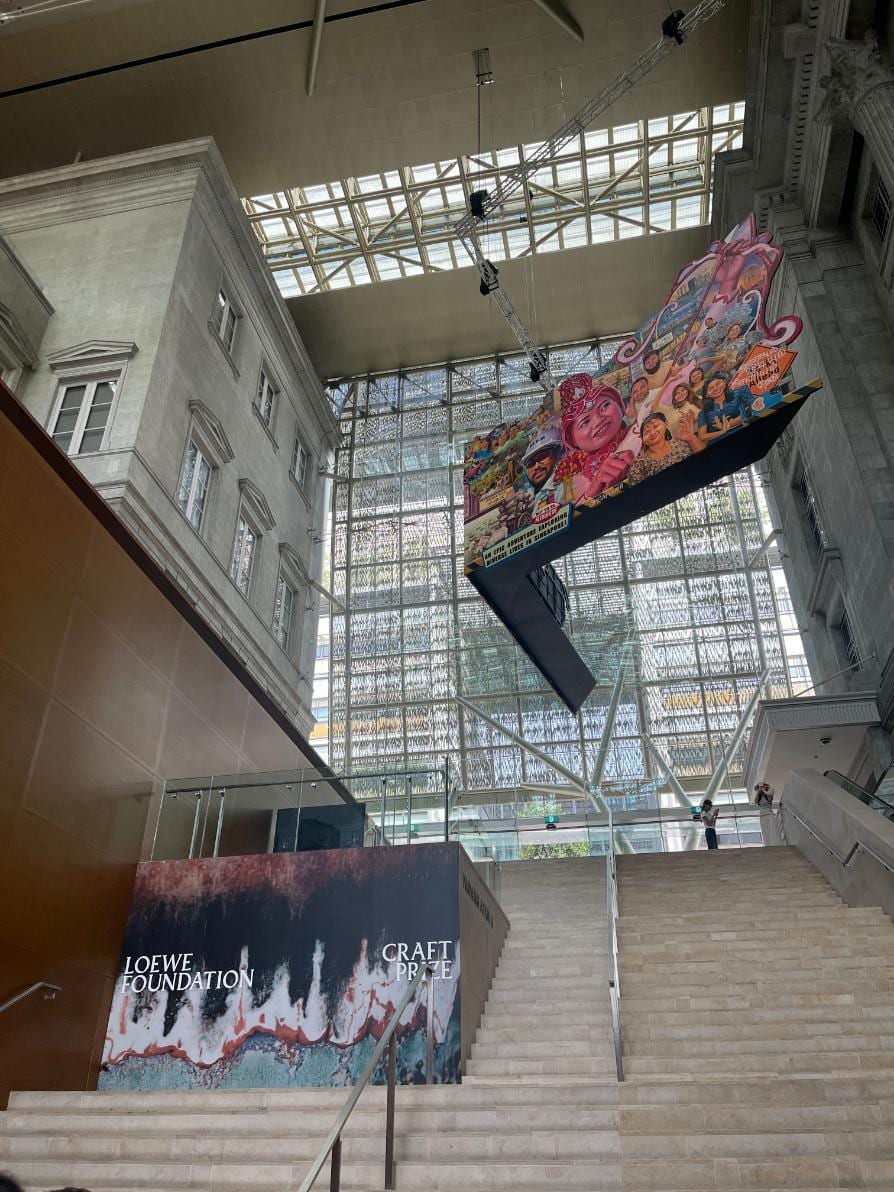
Inside National Gallery Singapore, home to the world’s largest public collection of Southeast Asian modern and contemporary art, visitors from around the world were welcomed by towering woven installations, warped ceramic forms, lacquered leather sculptures, and gravity-defying glassworks. Filling the galleries from May 13 to June 14 are the works of the finalists for the Loewe Foundation Craft Prize 2026. Some pieces appear on the verge of collapse, while others seem suspended mid-transformation. Up close, traces of process emerge everywhere: scorched surfaces, visible stitches, compressed layers, oxidized metals, and materials pushed far beyond their expected limits.
This year’s Loewe Foundation Craft Prize received more than 5,100 submissions from 133 countries before narrowing the selection down to 30 finalists from 19 countries. Now in its ninth edition, the annual prize has become one of the most respected recognitions in contemporary craft, spotlighting artists whose practices continue to expand what true craftsmanship can look like today.
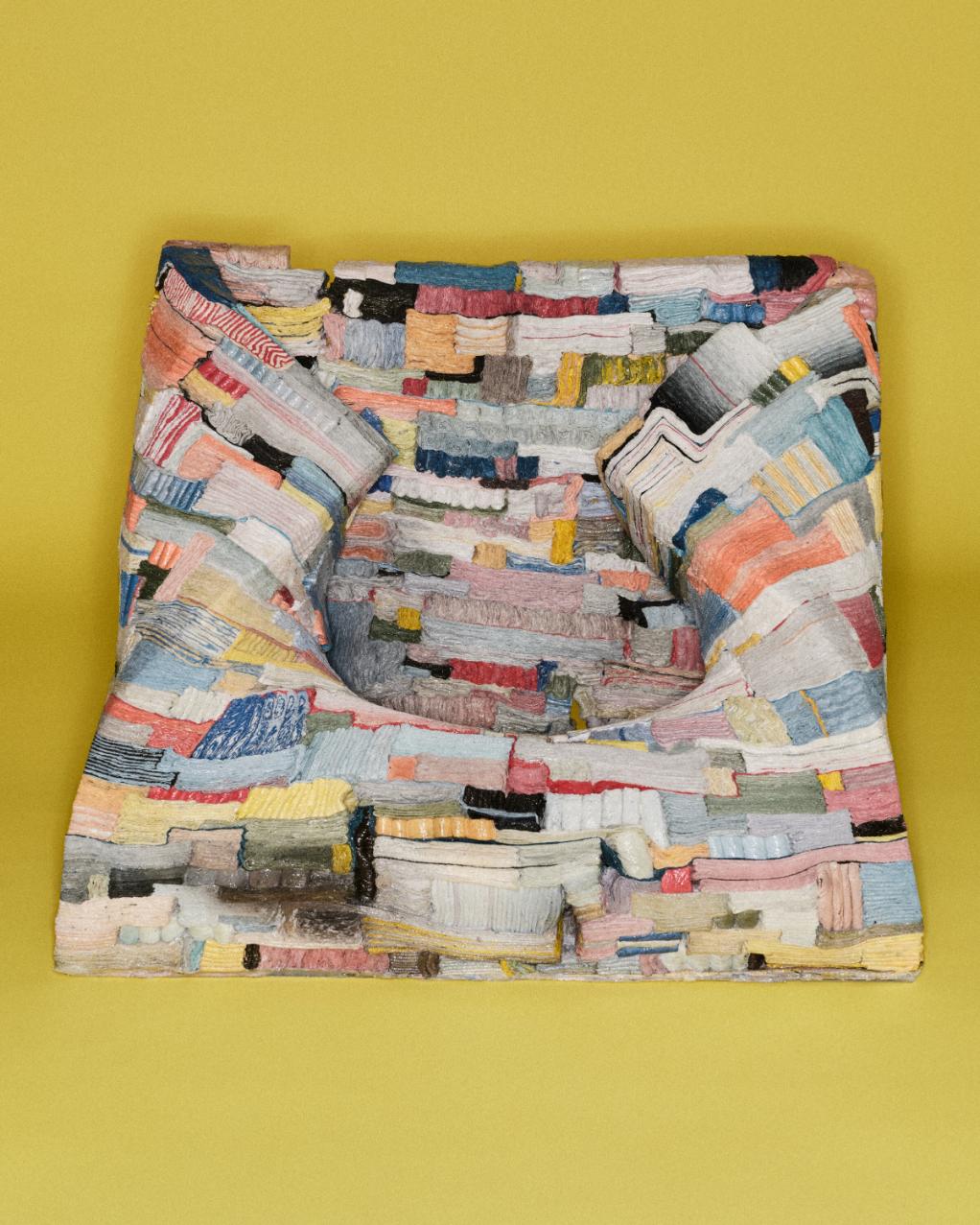
The Loewe Foundation Craft Prize 2026 Winner and His Winning Piece
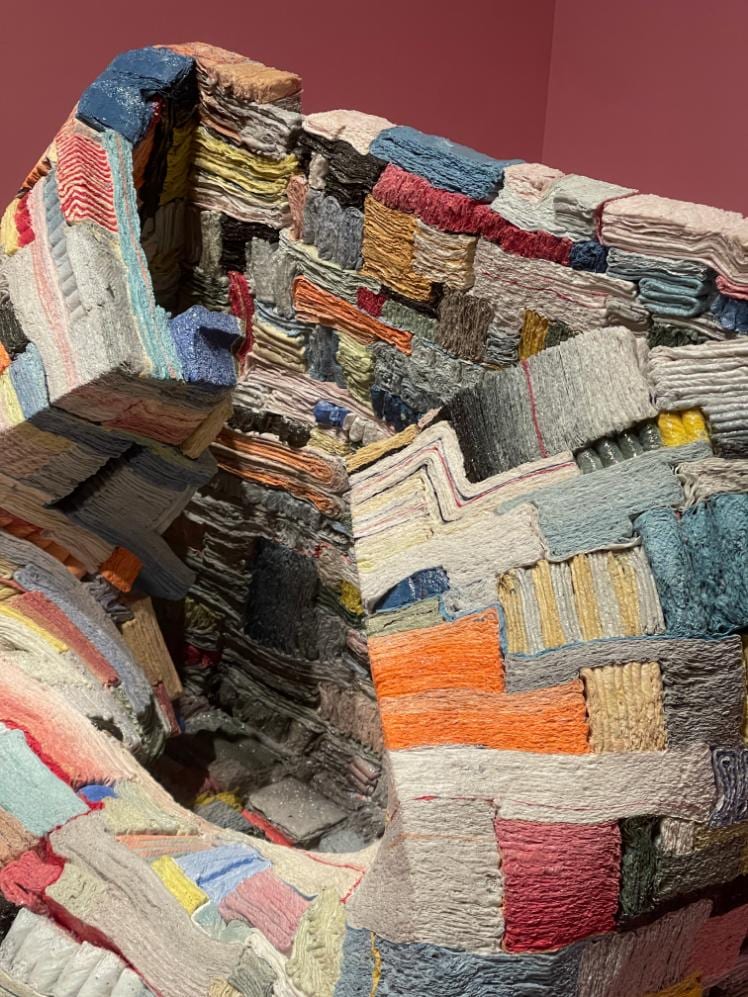
Korean ceramic artist Jongjin Park took home the top honor at this year’s Loewe Foundation Craft Prize for Strata of Illusion, a sculptural seating form made from thousands of layered sheets of paper coated in colored porcelain slip. During the firing process, the paper burns away while heat and gravity reshape the structure itself, causing the work to warp, slump, and partially collapse inside the kiln.
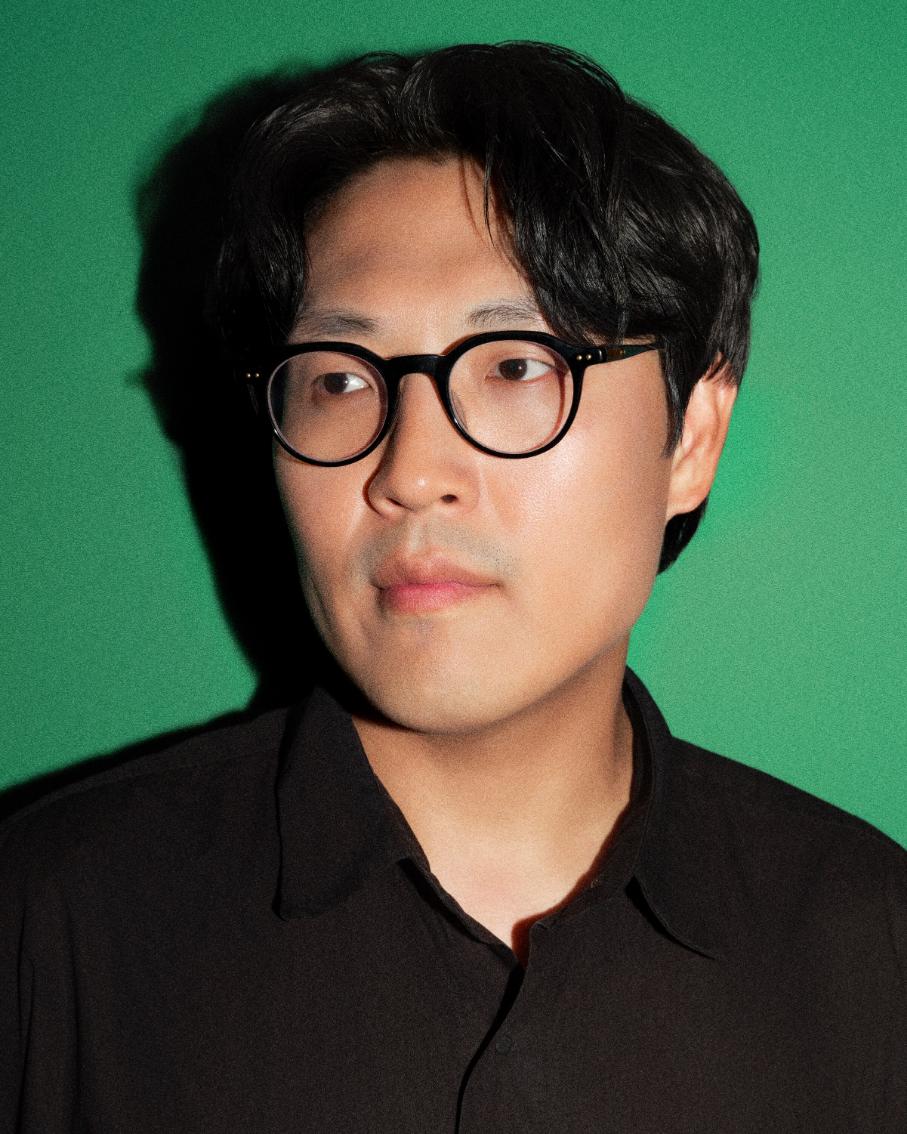
For renowned ceramic artist and jury member Magdalene Odundo, the work stood out not just visually, but technically. During an interview with Preview, she explained how the winning artist challenged conventional uses of paper clay, a material more commonly associated with lightweight, translucent ceramic forms such as lampshades and candle holders. “This is the first piece of work that had the technical aspect of where paper clay was stacked and used in very solid construction,” she shared. “To make a sculpture piece that way is very challenging because it collapses.”
Magdalene also emphasized the level of craftsmanship and patience required to create the winning work, noting how unpredictable ceramics can be throughout the firing process. “You don’t know what’s going to happen next when you put a piece of clay in the kiln,” she said. “It could explode.”
The resulting piece captures many of the central themes running through this year’s exhibition: tension, instability, transformation, and the unpredictability of process. The jury praised the work for challenging expectations of what ceramics can be, while highlighting the “honest imperfection” of its final form and the way it draws from multiple craft traditions simultaneously.
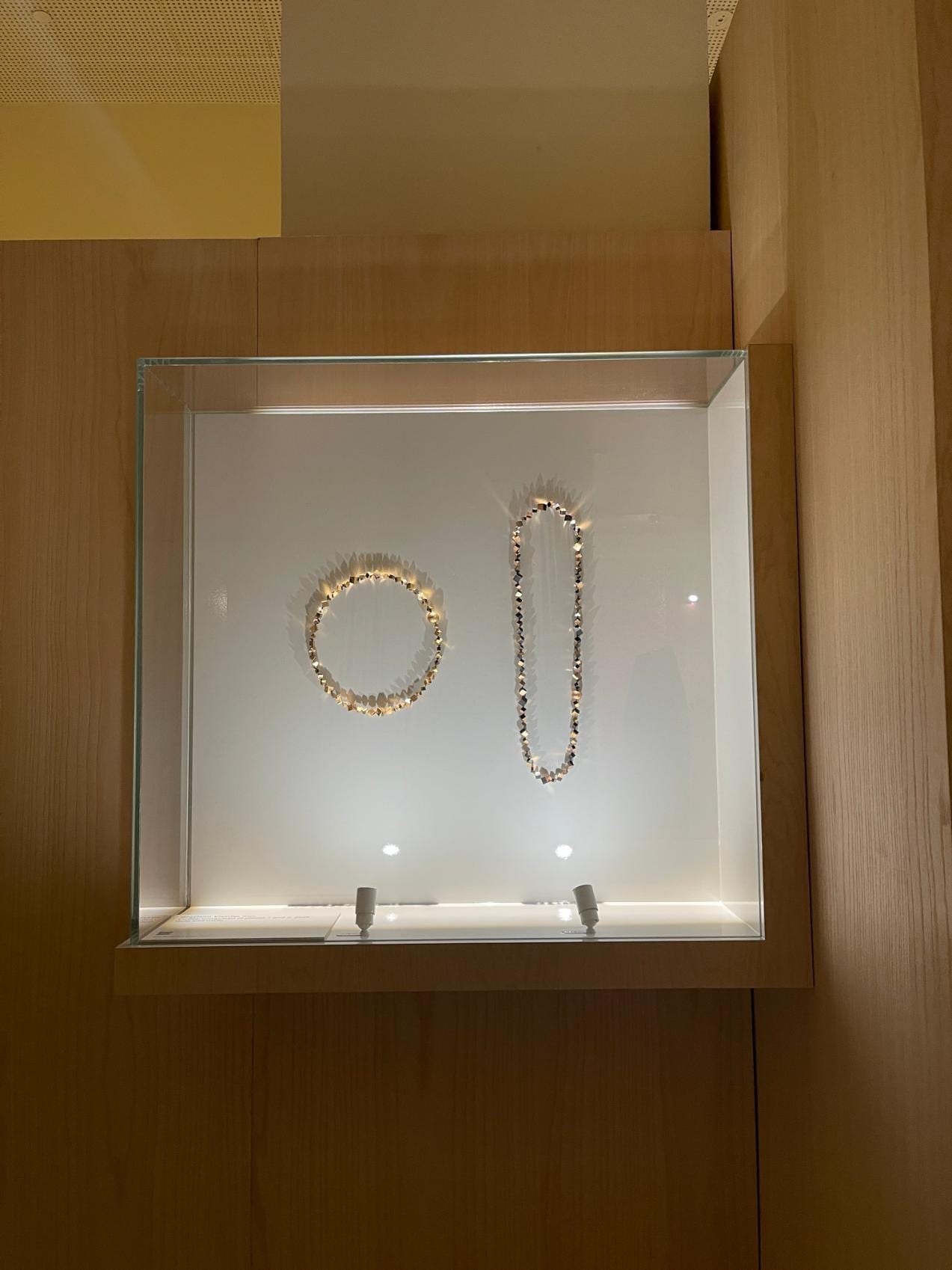
Two special mentions were also awarded this year. The first went to Baba Tree Master Weavers × Álvaro Catalán de Ocón for Frafra Tapestry, a large-scale woven work combining aerial mapping technology with ancestral basketry traditions from Ghana. Meanwhile, Italian jewelry artist Graziano Visintin was recognized for Collier, a pair of gold necklaces composed of tiny niello-painted cubes inspired by miniature paintings.
What Is the Loewe Foundation Craft Prize?
Launched in 2016, the Loewe Foundation Craft Prize was created as a tribute to Loewe’s origins as a collective craft workshop founded in Madrid in 1846. Over the years, the prize has steadily established itself within contemporary craft circles for championing works that go beyond decorative function, highlighting technical innovation, material experimentation, and conceptual depth across disciplines such as ceramics, textiles, jewelry, lacquer, woodwork, basketry, and glass.
Previous editions of the exhibition have traveled to institutions including the Design Museum, Noguchi Museum, and Palais de Tokyo before arriving in Singapore this year. The winner of the annual prize receives €50,000, while each special mention recipient is awarded €5,000.
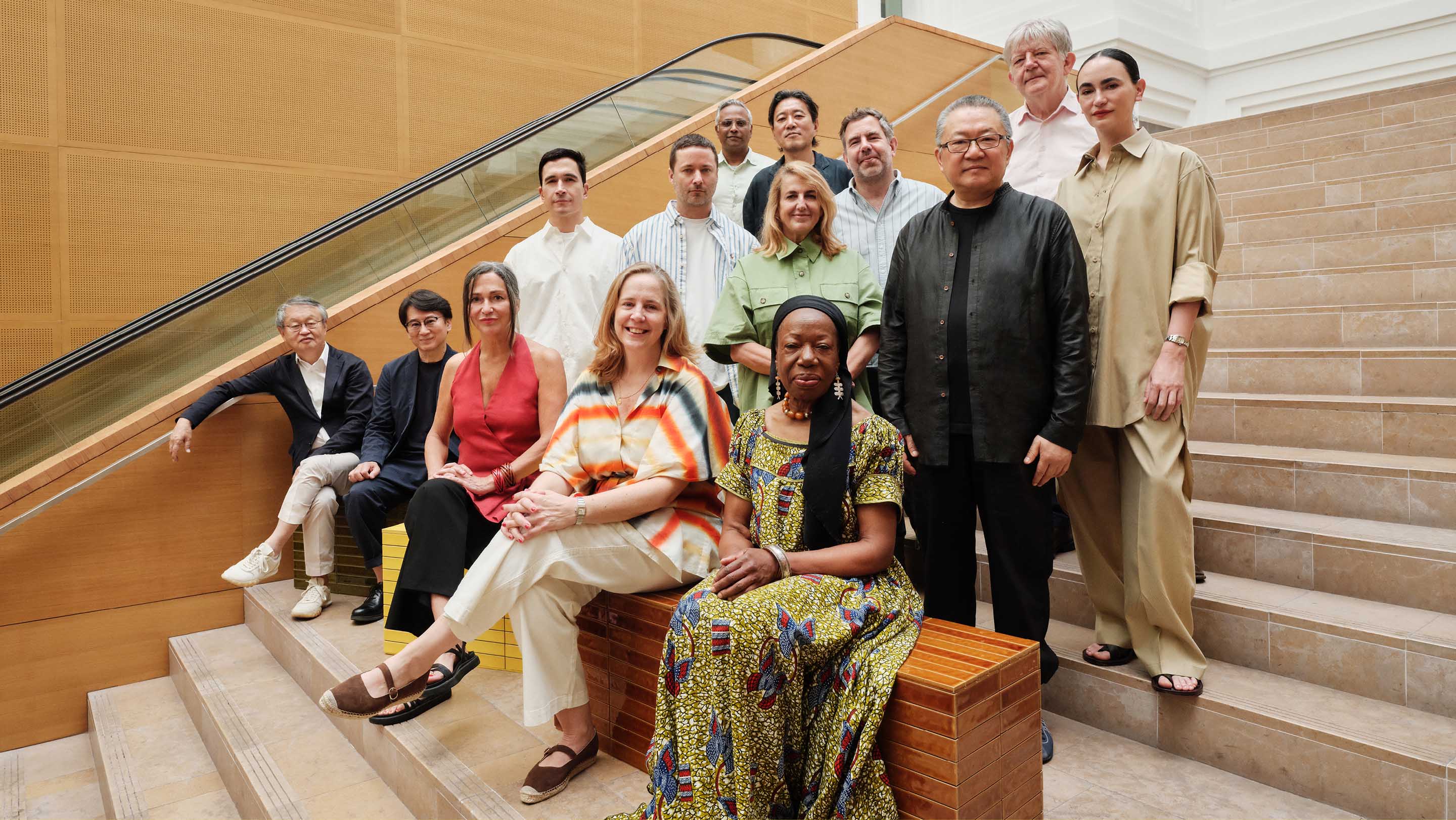
The 2026 edition marks the first time newly appointed Loewe creative directors, Jack McCollough and Lazaro Hernandez, are joining the jury. They sit alongside leading figures from architecture, design, curation, and contemporary art, reflecting how the prize increasingly operates at the intersection of multiple creative disciplines rather than within craft alone.
For last year’s winner, Japanese ceramic artist Kunimasa Aoki, one of the prize’s defining qualities is its emphasis on the relationship between maker and material. Speaking to Preview, Aoki shared that while both craft and concept matter, craftsmanship still holds particular weight for him as an artist. “Even if you have a good concept, if you don't have any structure and material, it is very difficult to express an idea,” he explained.
Winning the prize also significantly expanded Aoki’s international reach as an artist. “The most important thing after winning was making new connections,” he shared, adding that the recognition introduced his work to a much wider global audience.
Inside the Loewe Foundation Craft Prize 2026 in Singapore
Many of this year’s shortlisted works revolve around themes of instability, rupture, transformation, and repetition. Across the exhibition, rigid materials are manipulated into unexpectedly fluid forms, while softer materials are stretched into structural, architectural objects.
Australian glass artist Liam Fleming pushed material boundaries in Patterns of Pressure, where geometric glass structures soften and subtly shift after being reheated to extreme temperatures. Meanwhile, Taiwan-based artist Chia-Chen Hsieh transformed bamboo into a large-scale sculptural grid layered with thousands of ultra-thin suspended strips that create rippling, wave-like formations within the structure itself.
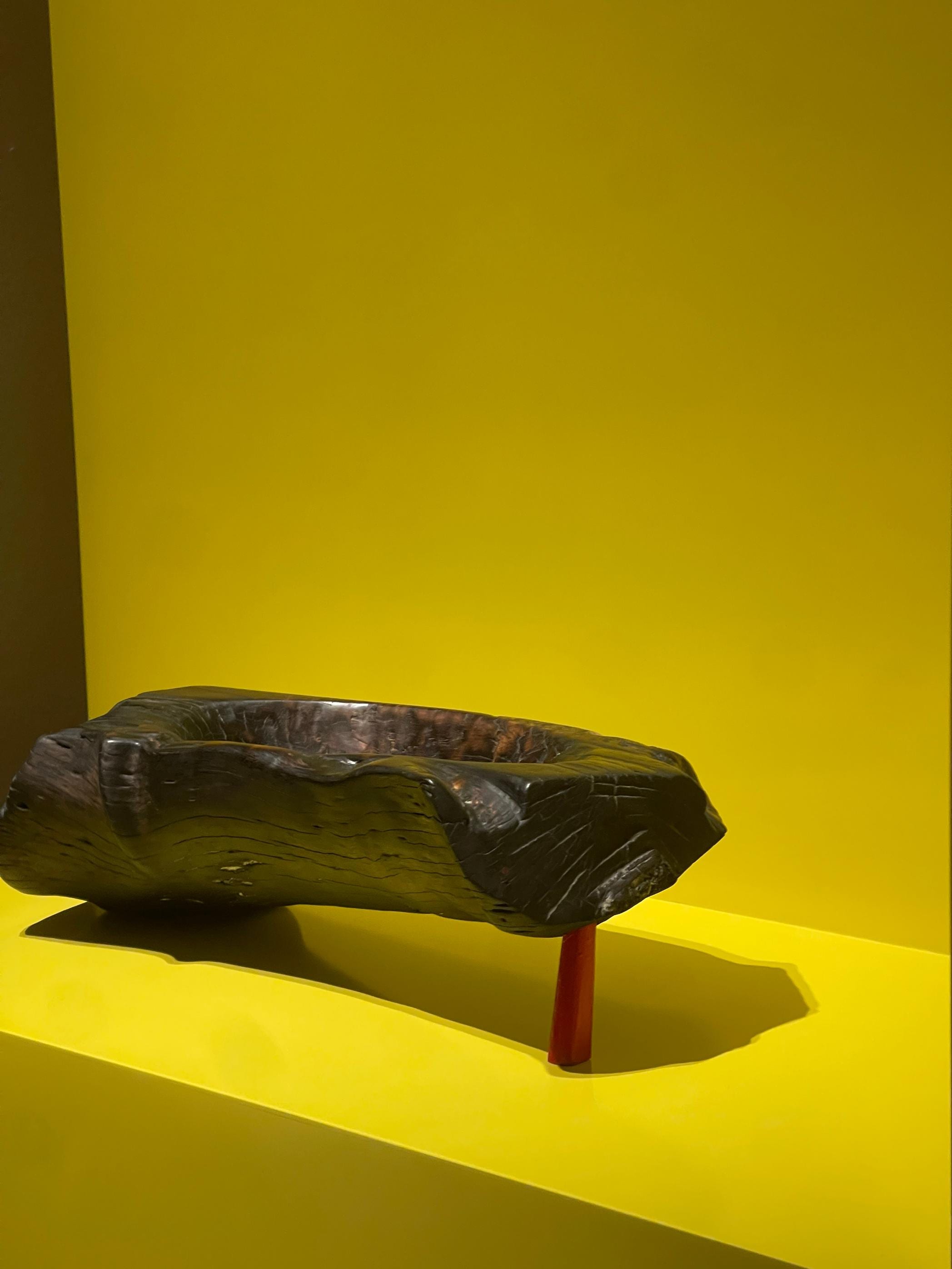
Several finalists also approached traditional craft techniques through highly sculptural forms. Singaporean artist Adelene Koh reimagined the hidden endband structure found within book spines into a circular architectural sculpture made from embroidery threads, folded paper, and aluminum wire. Chinese artist Nan Wei, meanwhile, used lacquered leather, ash powder, and linen to create Knot-Loving, a polished sculptural form developed by reinterpreting the Japanese Shippi lacquer technique.
Elsewhere in the exhibition, Nigerian textile artist Fadekemi Ogunsanya combined beadwork, hand embroidery, and indigo dyeing traditions in We Are Not Lying, Your Language is Not Enough, a monumental quilt layered with references to Yoruba storytelling traditions and folklore. German jewelry artist Dorothea Prühl also drew attention with Migratory Birds, a necklace composed of oversized titanium birds suspended from delicate gold chains.
For Sheila Loewe, President of the Loewe Foundation, one of the defining qualities of this year’s edition is how artists continue finding new ways to reinterpret traditional techniques and materials. In an interview with Preview, she shared that the foundation constantly looks for works that “open new windows” into contemporary craft, whether through experimentation, sustainability, or innovation rooted in heritage practices.
She also pointed to a growing emphasis on preserving traditional skills while allowing them to evolve for contemporary audiences. “We always like to talk about innovation tradition,” she explained. “To take care of the old skills, to give them a twist, and to make them have a long life.”
That relationship between preservation and experimentation feels especially relevant today. According to Sheila, the importance of craft has only intensified in an increasingly fast and digital world. “Now with artificial intelligence, I think it’s even more important to have something that is about taking time,” she shared. “Everyone needs something to save us from this crazy future.”
Hosted at National Gallery Singapore, the exhibition introduces the finalists’ works to one of Southeast Asia’s major cultural institutions, while highlighting the growing overlap between craft, art, design, and architecture.
For Sheila Loewe, however, the exhibition has never been solely about the winner. “What makes this craft prize so important is that it’s not just about the winner or the two special mentions,” she emphasized. “For us, it is about [all of] the 30 finalists.”
photos to expand

Marj is the Editor-in-Chief of Preview. A former economics major, she dove headfirst into fashion publishing and hasn’t looked back since.