Why Kidlat Tahimik Is Renouncing His National Artist Status
The acclaimed filmmaker, who was named a National Artist in 2018, formalized his decision through a position paper.

by Kyla Villena
Published on Jun 18, 2026
Kidlat Tahimik has dedicated his decades-long career in filmmaking to exploring what it truly means to be Filipino. From critiquing colonialism to underscoring Indigenous knowledge, he has contributed to how generations of Filipinos appreciate their heritage and culture.
In 2018, the Baguio native was named a National Artist of the Philippines for Film. And in 2026, he decided to give this up—for reasons that reflect what he has always been fighting for.
Kidlat Tahimik Rescinds His National Artist Award
Kidlat Tahimik announced on June 16 that he is rescinding his National Artist status, returning his medallion, and foregoing all the benefits that come with it. This comes as an act of protest against the proposed Reframed General Education Curriculum (RGEC) by the Commission on Higher Education (CHED).
For the uninitiated, CHED reduced the number of General Education (GE) units in college curricula from 64 to 36 in 2018. This would be further reduced to 18 should the RGEC be implemented.
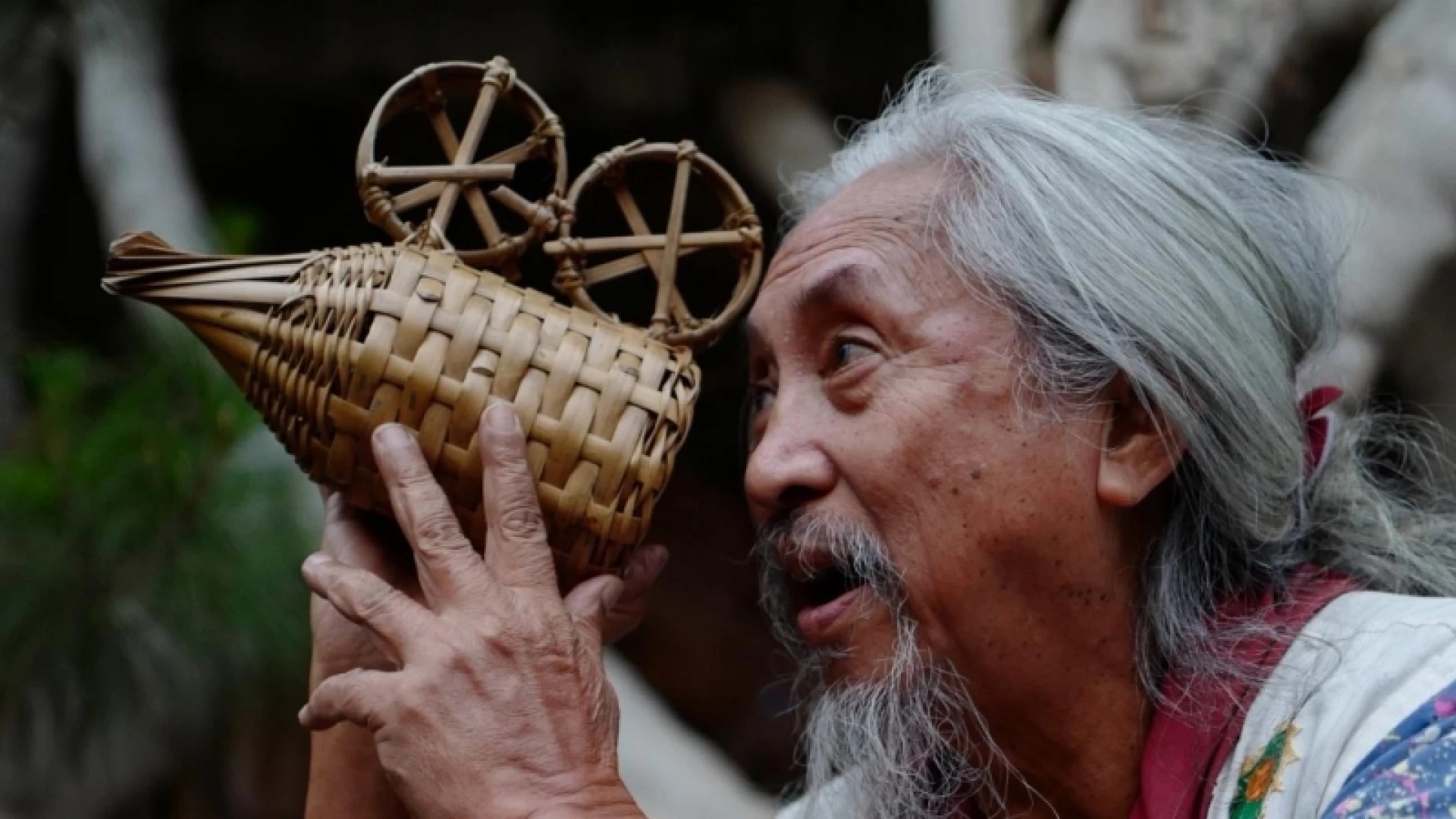
The Father of Philippine Independent Cinema made the announcement at a forum in Teachers Camp, telling youth leaders, “You are witnesses to my act of protest.” He continued, “We are following the Western model, which requires us to specialize... And often we favor over-specialization in the sciences because these are quantifiable, right? I think we have to be aware that subjects regarding history, the arts, and our culture are just as valuable and should not be reduced to almost zero.”
He acknowledged that being named a National Artist remains precious to him, referring to it as “a very special award.” Given the controversies and criticism surrounding it, the RGEC has been deferred until 2028. However, the 83-year-old filmmaker remains concerned about the gradual erasure of the humanities. He formalized his position by submitting a position paper to CHED.
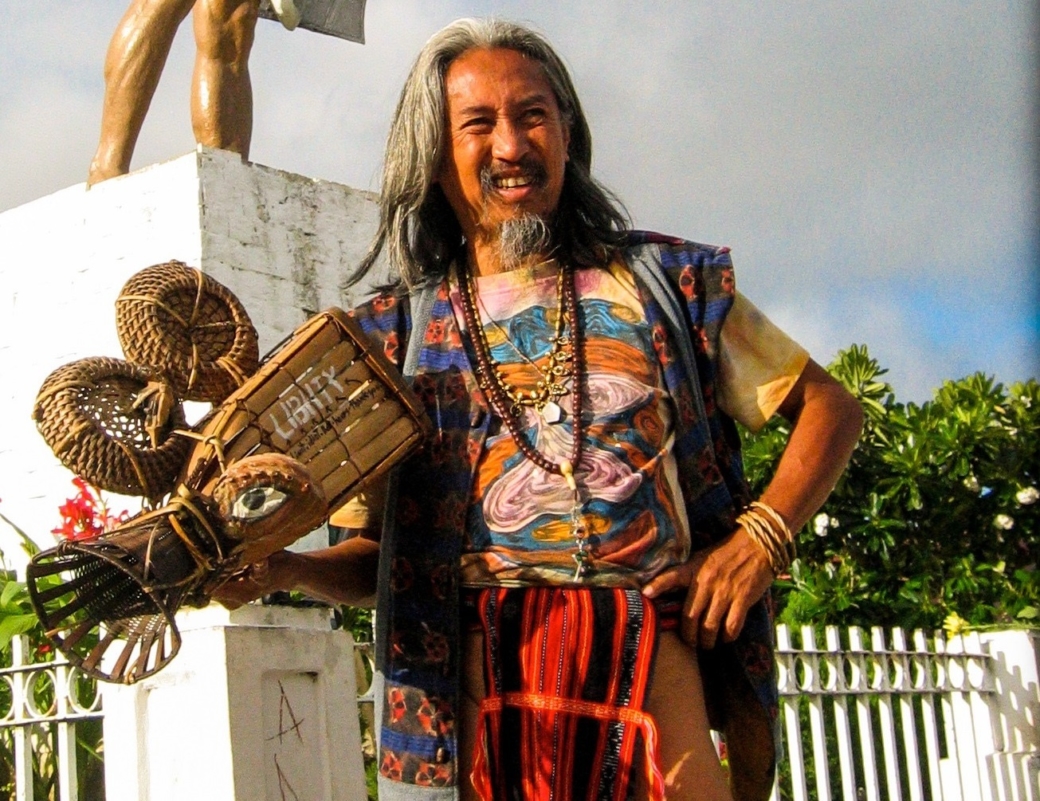
There, he clarified, “My individual act should by no means taint the prestige of my distinguished fellow National Artists.” Rather, it is a “personal gesture (in good faith) to spotlight that somehow our country’s ‘walang-paki’ DNA might be traceable to the 3-‘R’s-only pedagogy of our colonizers.”
Before pursuing the arts, Kidlat Tahimik—born Eric de Guia—worked as an economist. In his paper, he also pointed to the growing influence of artificial intelligence and economic pressures on educational systems, warning that educational institutions might lose sight of the very values that shape the country.
What Is a National Artist?
In 1972, the late president Ferdinand Marcos signed Proclamation No. 1001, establishing the Order of National Artists. It is the highest recognition bestowed upon Filipino artists who have made significant contributions to the nation's cultural heritage, recognizing that they “should be given the appropriate honors” for their works. The same proclamation declared painter Fernando Amorsolo the first National Artist of the Philippines.
Presidential Decree No. 208, issued in 1973, details the grants, privileges, and honors accorded to awardees. These include cash awards, monthly lifetime pensions, medical and hospitalization benefits, a lifetime insurance policy, a place of honor at state functions and other cultural presentations, and a state funeral arranged and funded by the government.

Kyla Villena loves a good lip gloss and a trip to the art gallery. She is Preview's beauty girl, who doubles as a self-proclaimed motivational speaker.