This Innovation Is Turning Pineapple Leaf Waste Into the Future of Filipino Textiles
By reengineering agricultural byproducts before they become waste, Hiblatech is championing a smarter, circular approach to innovation.

Published on Feb 11, 2026
For generations, piña fabric has been regarded as a cultural heirloom.
Handwoven from the fibers of the piña bisaya (red pineapple) leaf, the sheer, luminous textile is integral to formal Filipiniana attire, particularly the Barong Tagalog and the Maria Clara gown. Often referred to as the “Queen of Philippine Textiles,” piña has long held a distinct place in traditional dressmaking.
Hiblatech, however, approaches pineapple fiber from a different vantage point. The Philippine-based materials venture reconsiders pineapple leaf waste not as excess, but as a foundational resource—one that can move beyond ceremonial garments into industrial and design-driven applications.
At the center of this development is Hiblafelt, a sustainable non-woven textile derived from pineapple leaf waste. The material is currently applied across furniture, industrial design, and fashion, with uses ranging from acoustic panels and room dividers to garments.
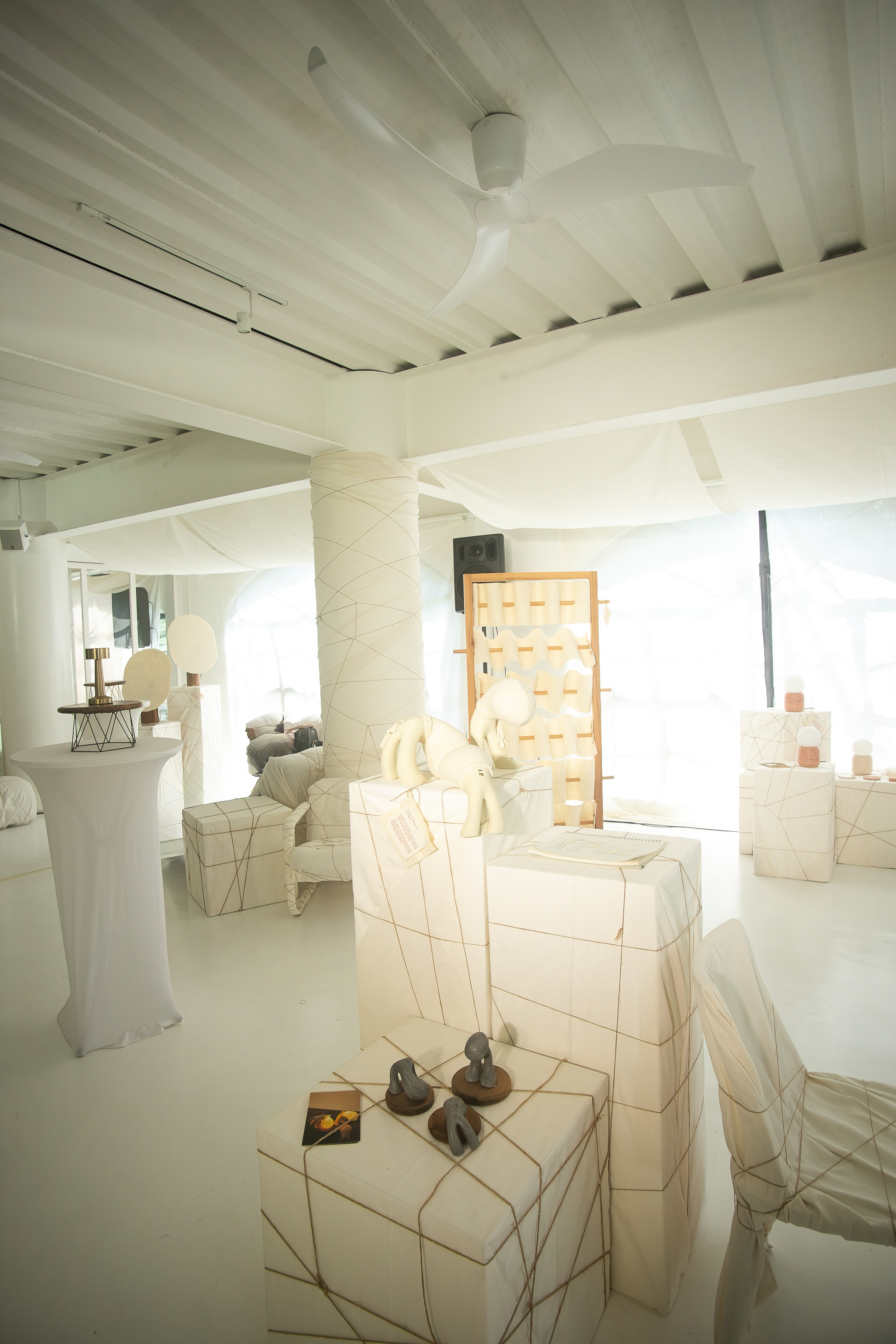
“We feel that as we push and innovate the base material, our tendency is to also look at and question the process that goes into making that material,” Tina Sabarre, co-founder of Hiblatech, shared during a press event on January 22.
“There are many new ways to bring new materials into the industry—you can change the form, the shape, the color,” she continued. “But for us at Hiblatech, we want to change from the very end, from the way that it is made, from the way that it is processed.”
What Is Hiblafelt?
How does agricultural waste become a versatile design material?
In developing Hiblafelt, Hiblatech partnered with Chuck Lazaro of Asia Textile Mills, a natural fiber processing specialist with more than four decades of industry experience. He also serves as vice chairman of the Bureau of Philippine Standards Technical Committee on Textiles.
Production begins with the collection of discarded pineapple leaves from farms. The leaves are purified and extracted into fiber, which is then processed into staple form. Through mechanical needle-punching, these fibers are interlocked to create a dense, non-woven felt.
Hiblafelt is composed of approximately 80 percent pineapple leaf fiber, combined with a lightweight core or, in some cases, reinforcing fibers for added structure.
Once formed, the felt can be cut, layered, and sewn into products such as garments and bags. In certain artistic explorations, it can also be layered and carefully burned to produce distinct surface textures.
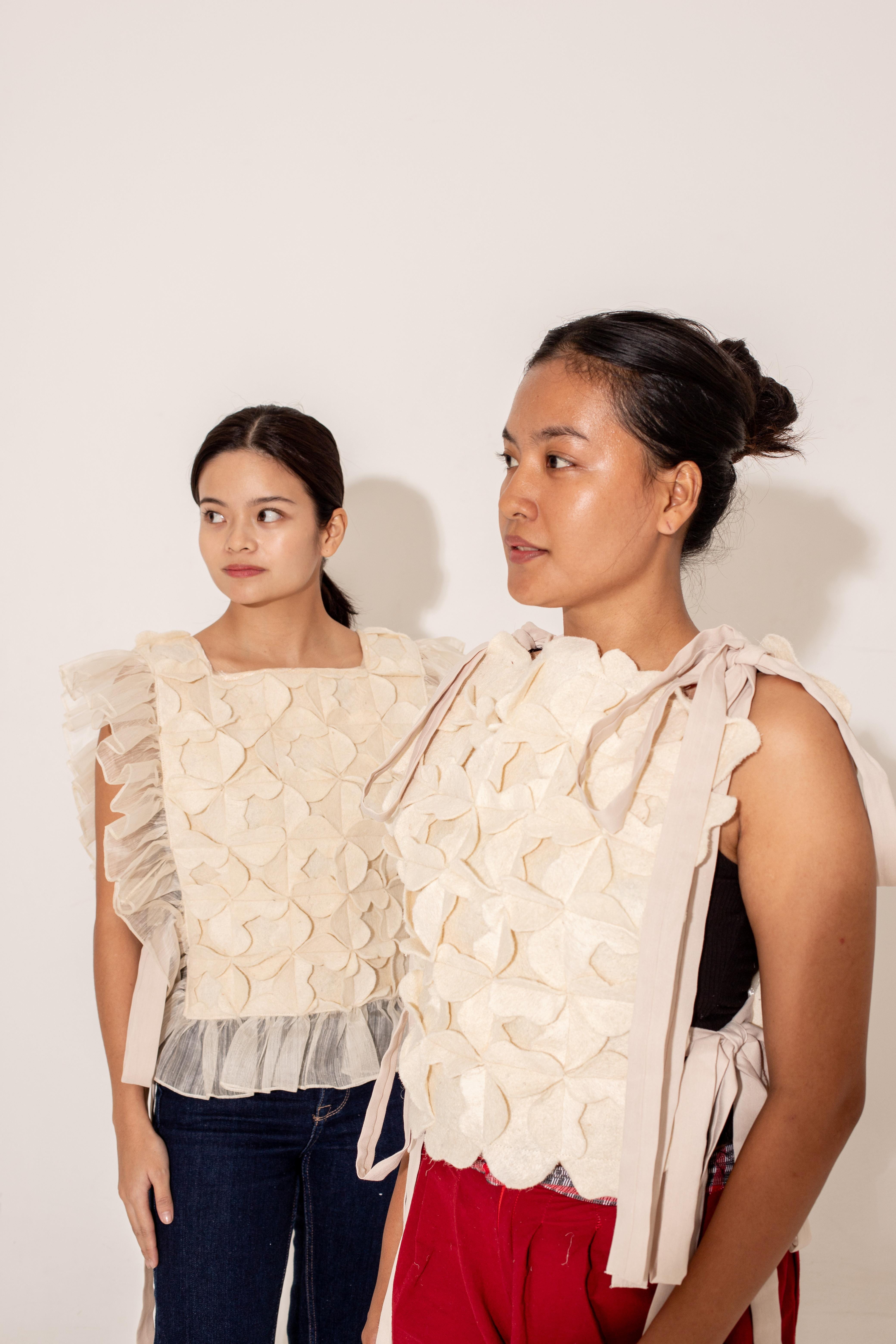
The "Orkilap" apron by La Union-based designer, Jema Gamer. PHOTOS: COURTESY OF BETTER MONDAYS
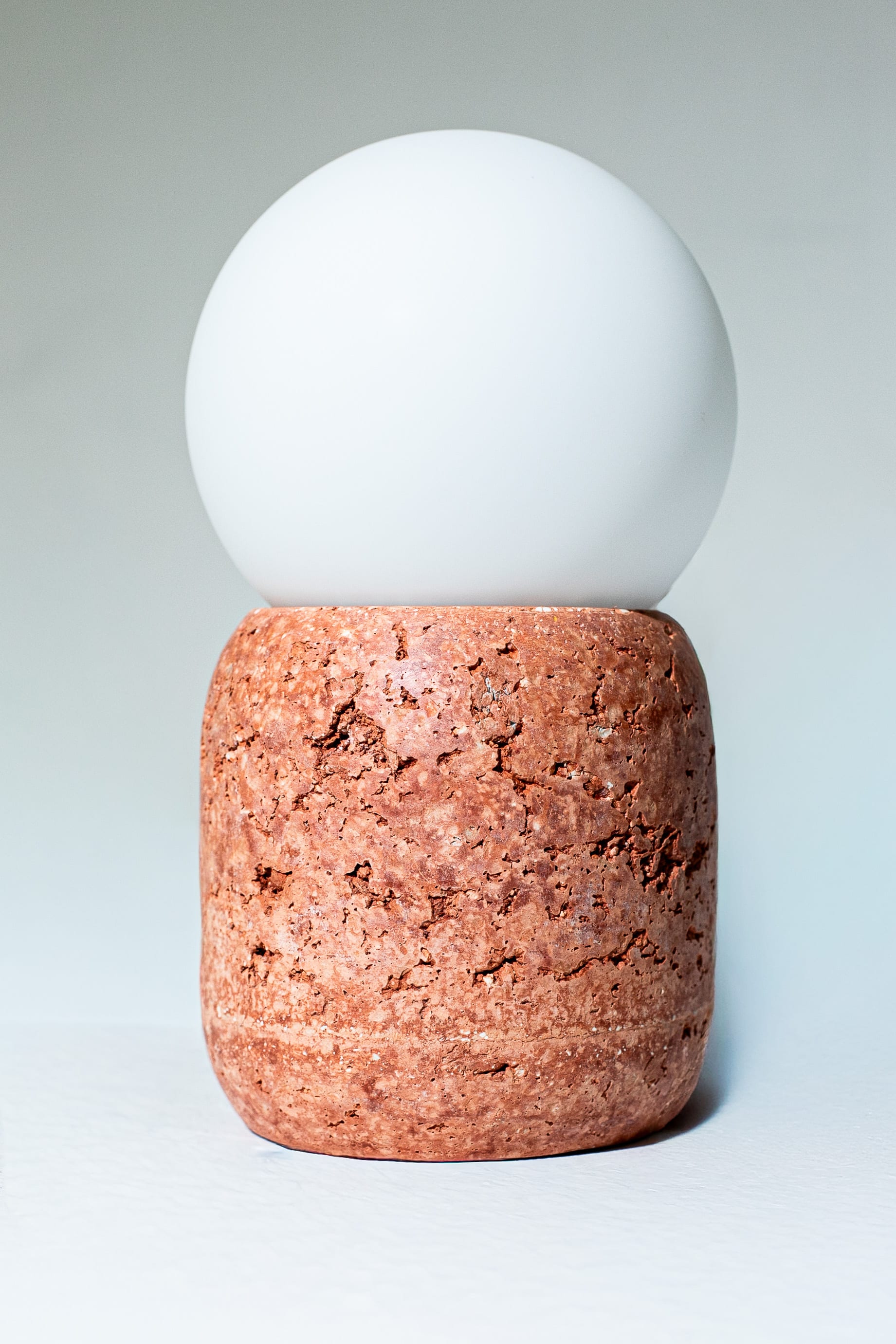
The "Pouf Lamp" by Krete Manila, made from papercrete and Hiblatech pineapple fiber trims.
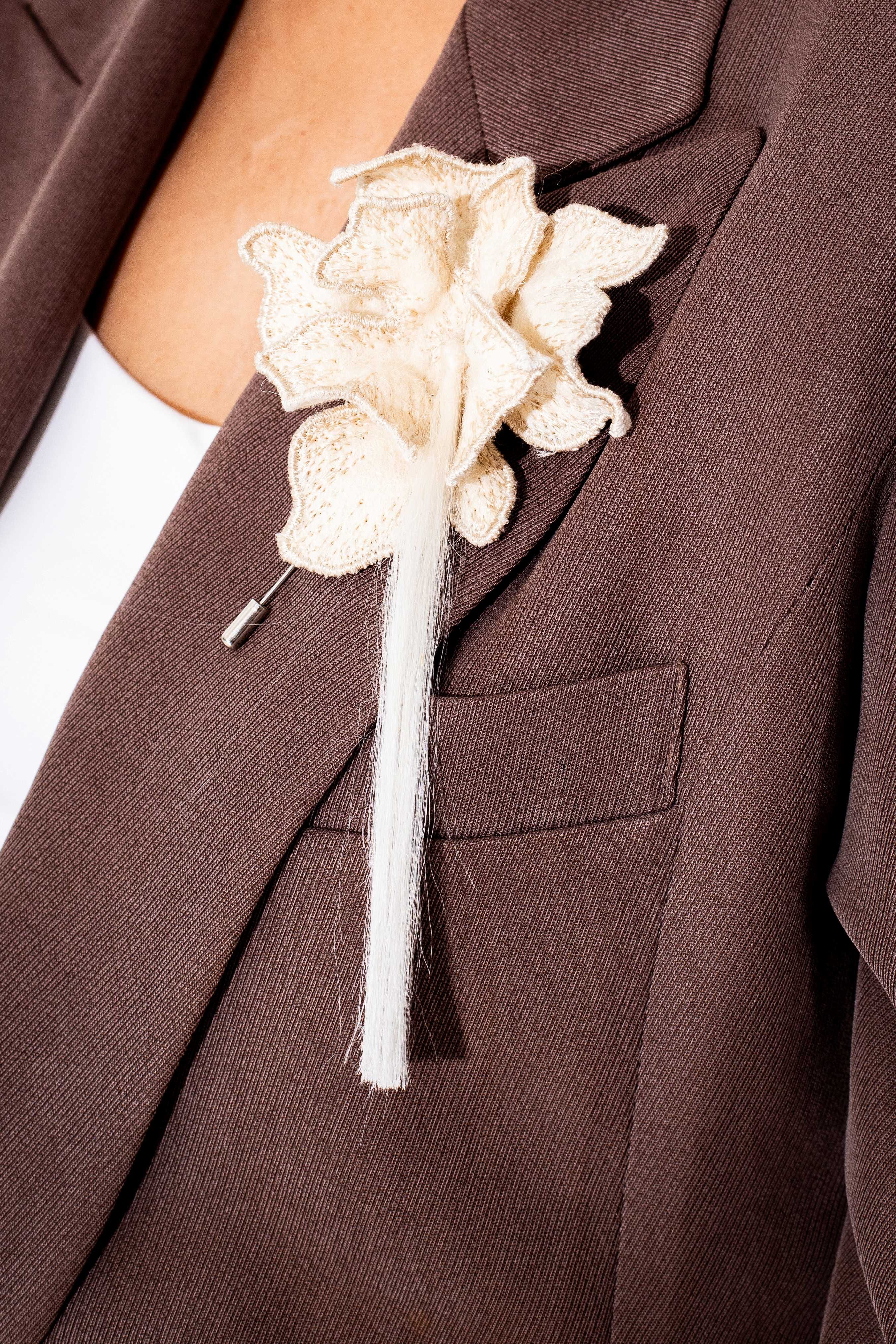
Dee Javier's "Letticia Brooch" is made from Hiblatech and piña fiber tassels.
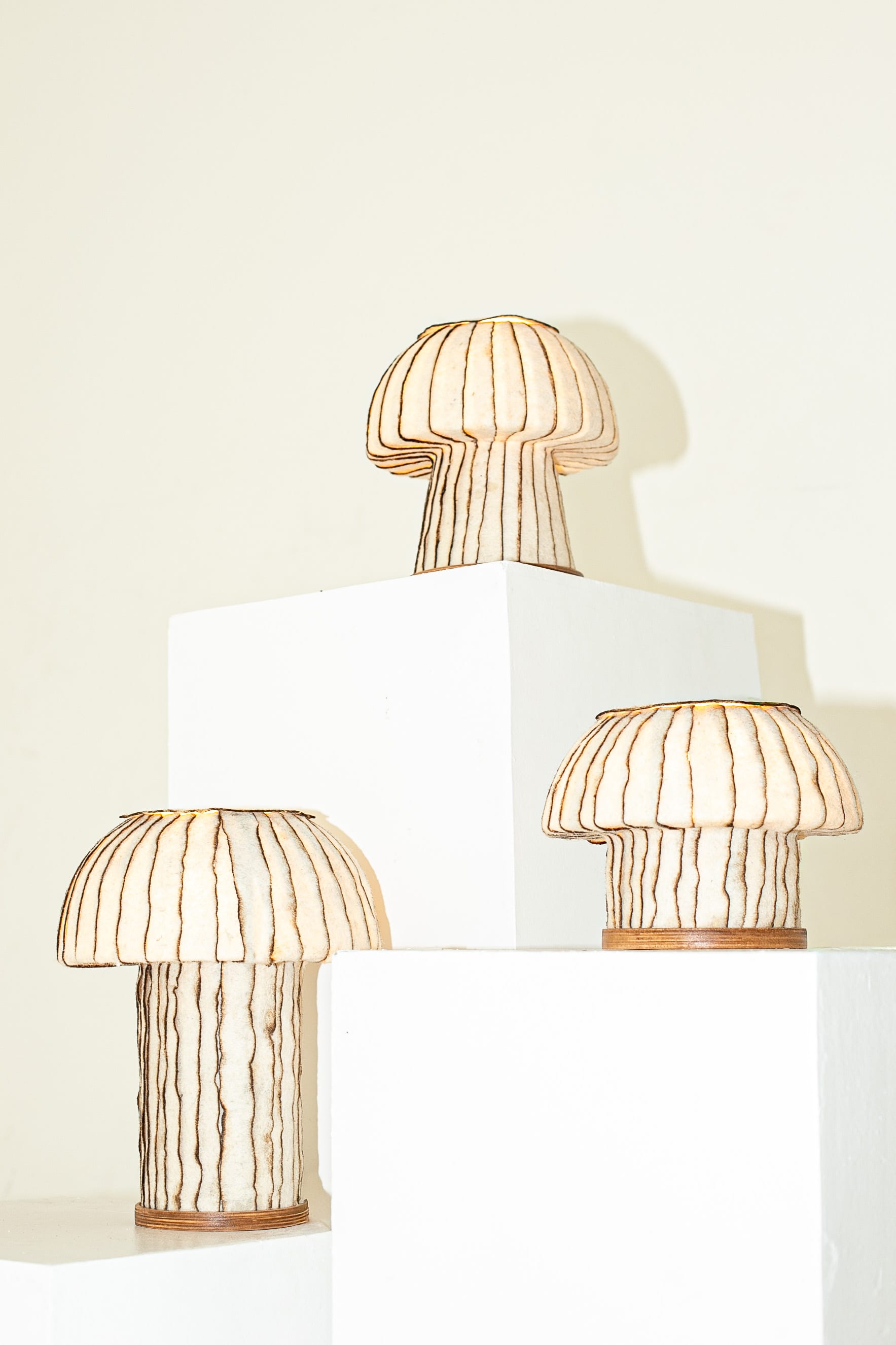
Industrial designer Jasser Aguila designed the "Kabu Lamps" using hand-layered strips of Hiblafelt. He burned the edges to create that added layer of texture and contrast.
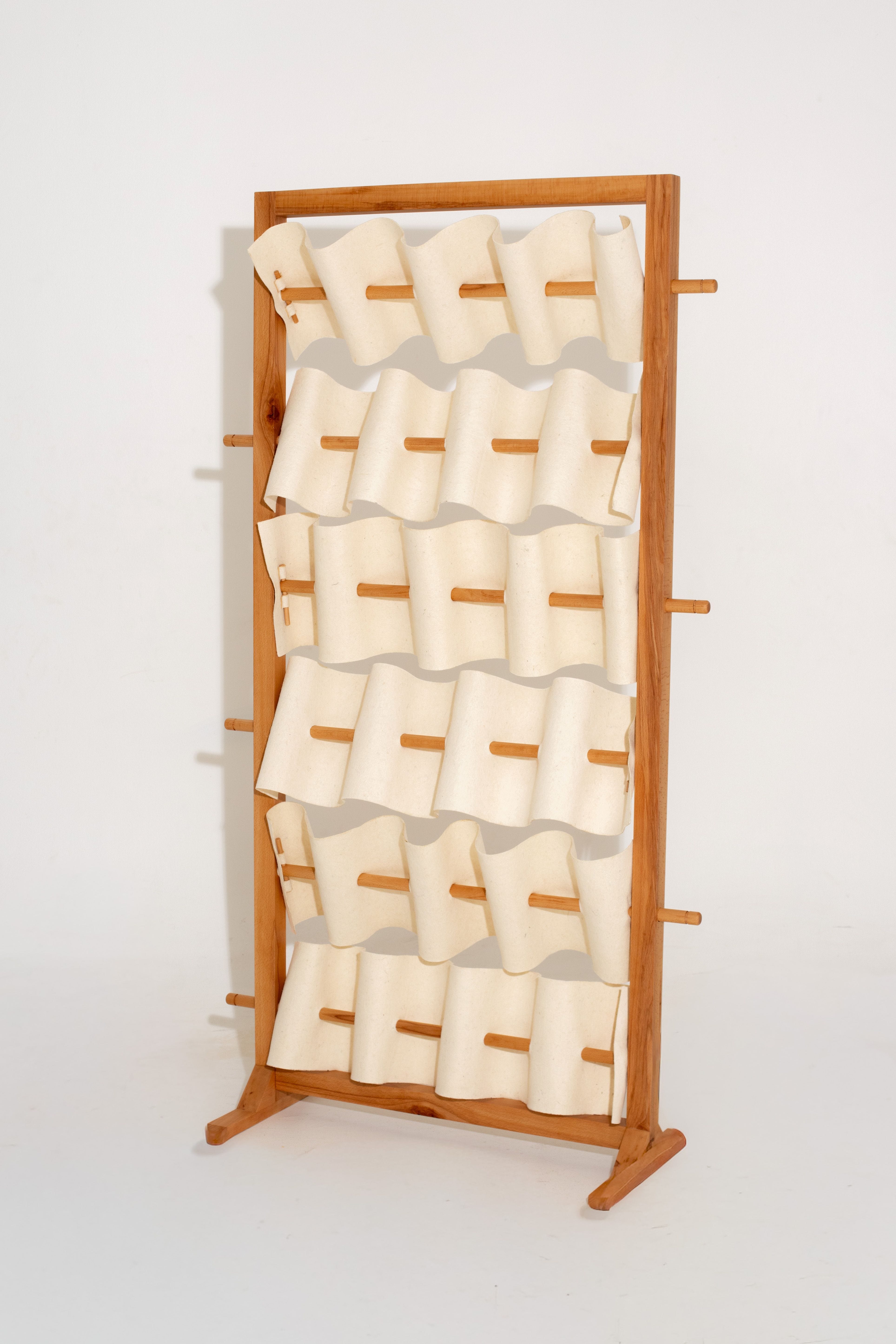
Industrial designer Selena Palacio's “Ihawi” is a freestanding room divider constructed using Hiblatech’s dense, non-woven felt.
photos to expand
Through Hiblafelt, Hiblatech aims to address the environmental impact of the estimated 2.6 million tons of pineapple leaf waste burned annually in the Philippines by converting this byproduct into non-woven textiles and yarns.
The company works with 10 farm cooperatives and four fabrication partners, allocating more than 60 percent of production costs to fair labor and local community development. In doing so, founders Tina Sabarre and Kristine Bañez aim to position Hiblafelt as a competitive and sustainable textile within the global materials landscape.
“As with most early-stage innovations, execution details shifted. Timelines changed. Market realities sharpened the focus,” Kristine Bañez shared.
“But the core motivations remained steady—to add value locally through design rather than exporting anonymous raw materials; to expand income opportunities at the source; and to build something that could stand in global conversations about materials, not just local ones.”
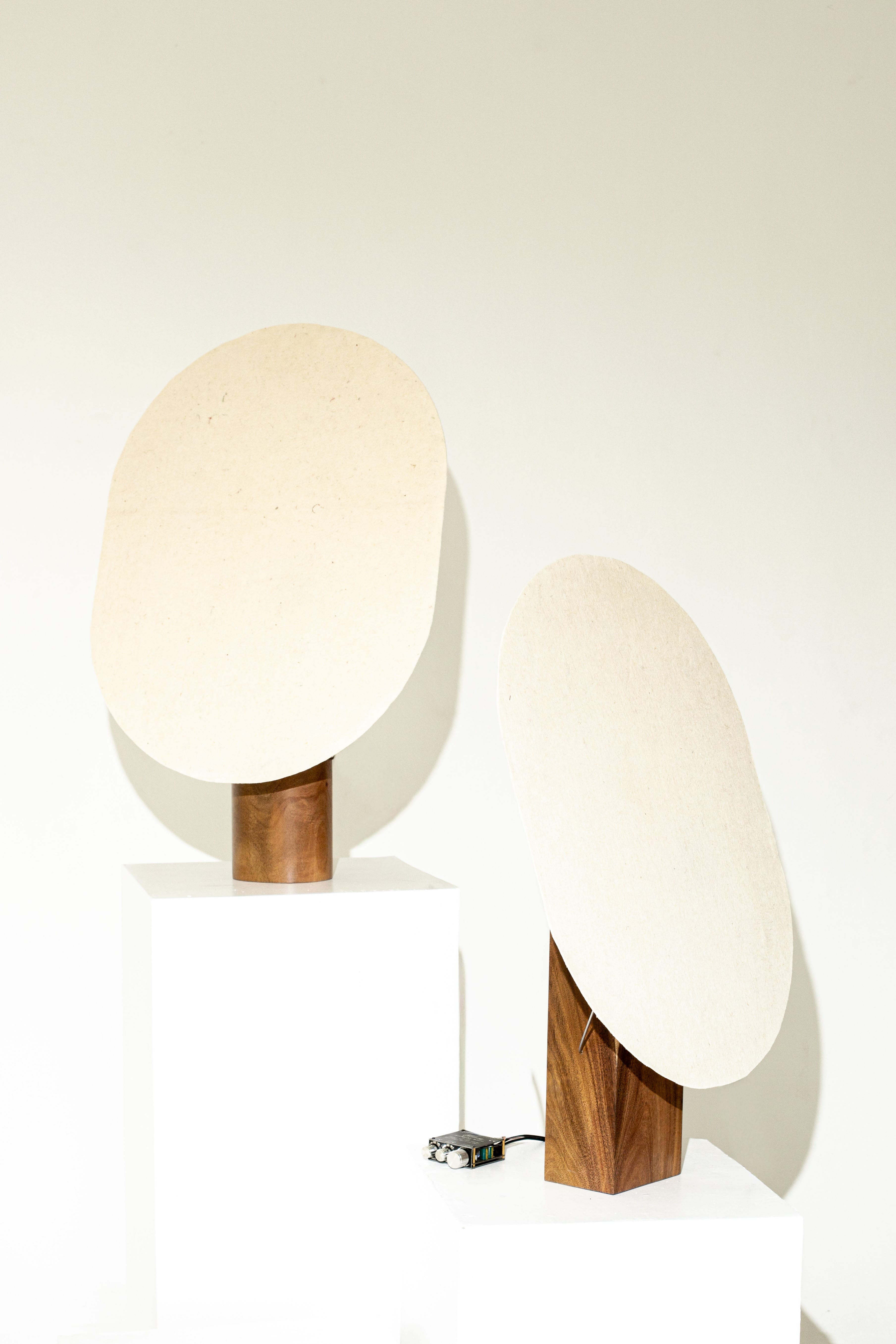
The “Piña Sound Panel” by furniture designer Edward Sibunga explores Hiblafelt's acoustic insulating properties
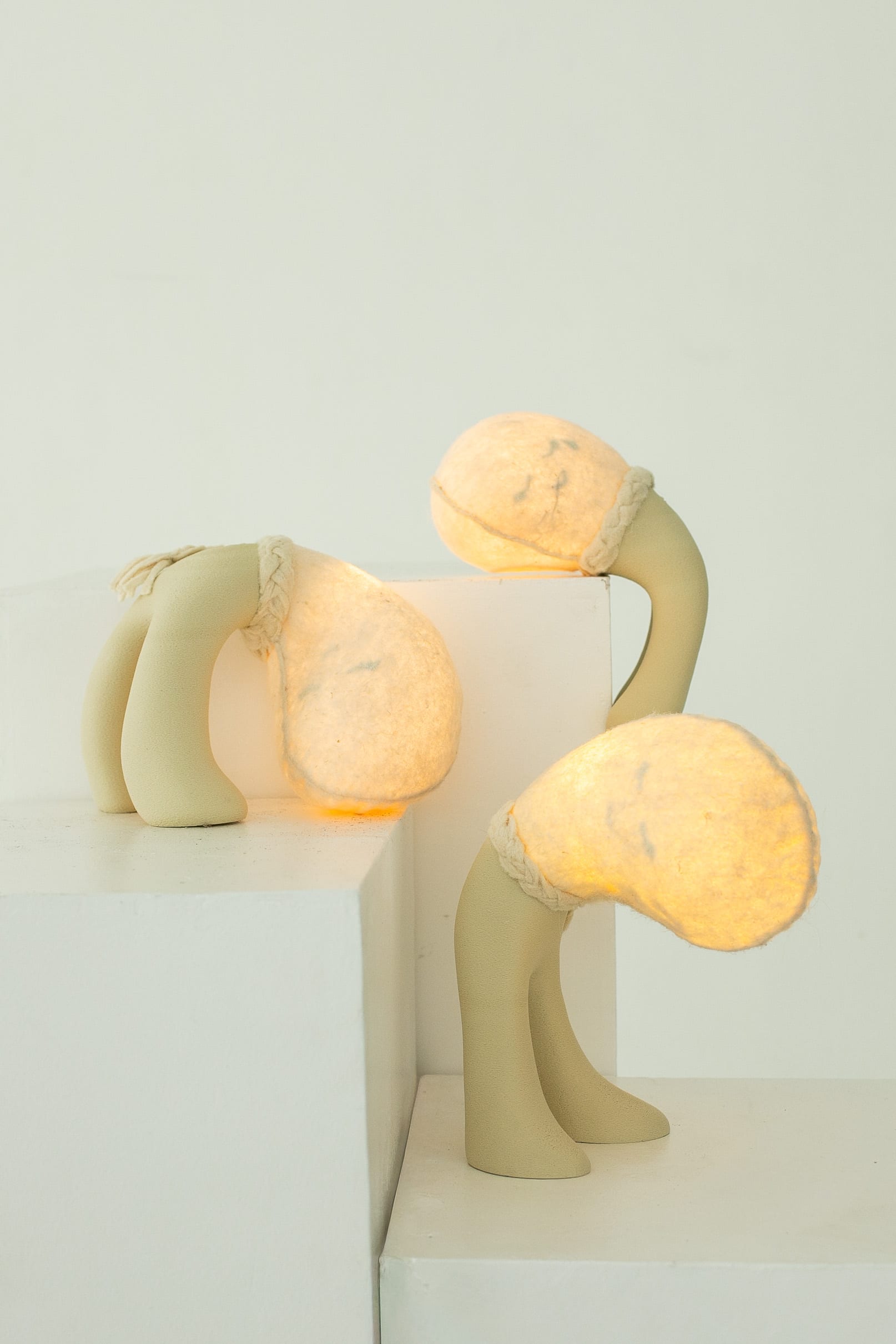
“It’s Okay” by Chini Lichangco is a collection of rechargeable table lamps, made from hand-sculpted in clay and finished with hand-stitched Hiblafelt fiber.
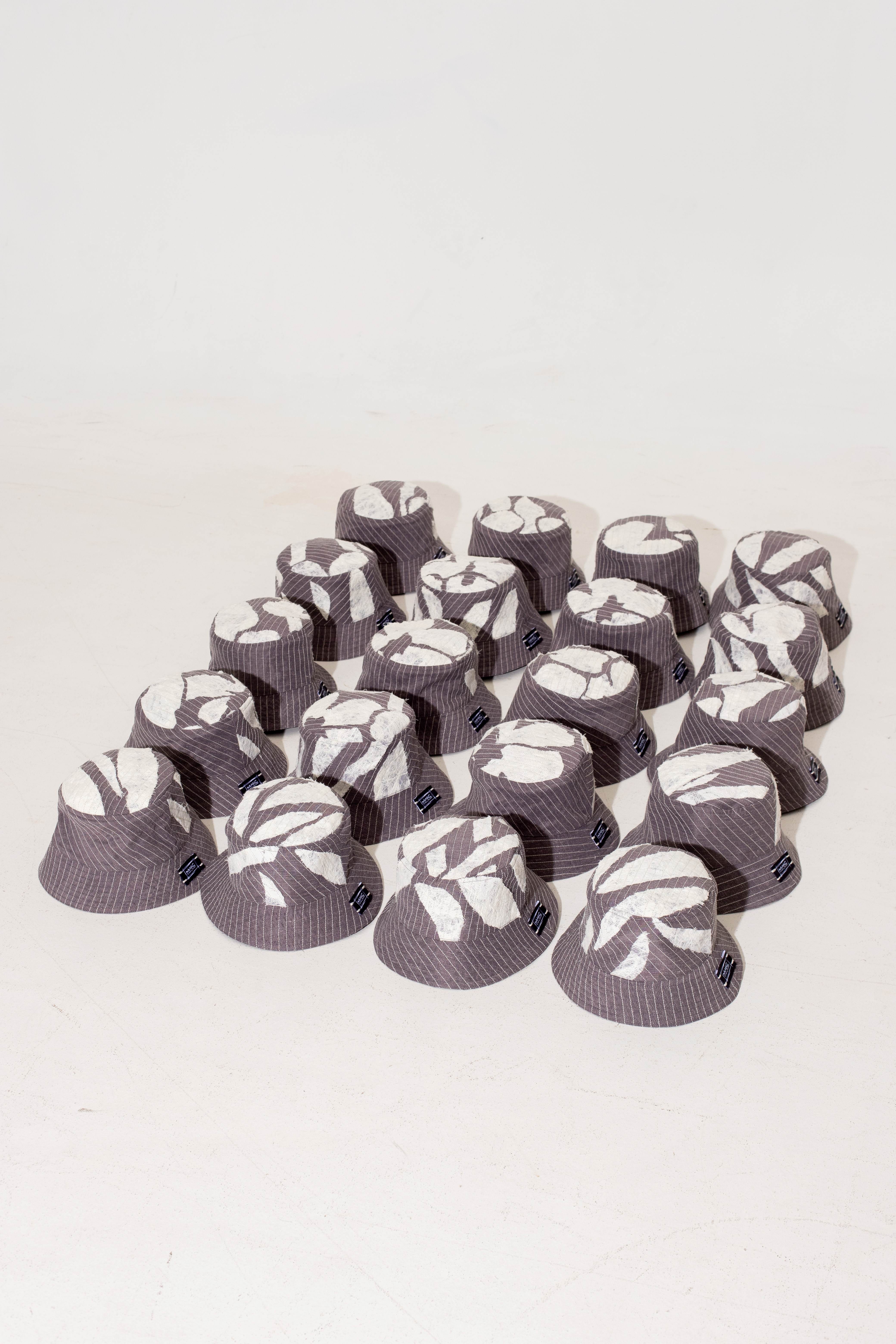
Marc Carcillar's “Fill in the Gap” bucket hat line features Hiblatech-woven fabric, rugged topstitching, and translucent layers of laminated tulle, lace, and Hiblatech threads.
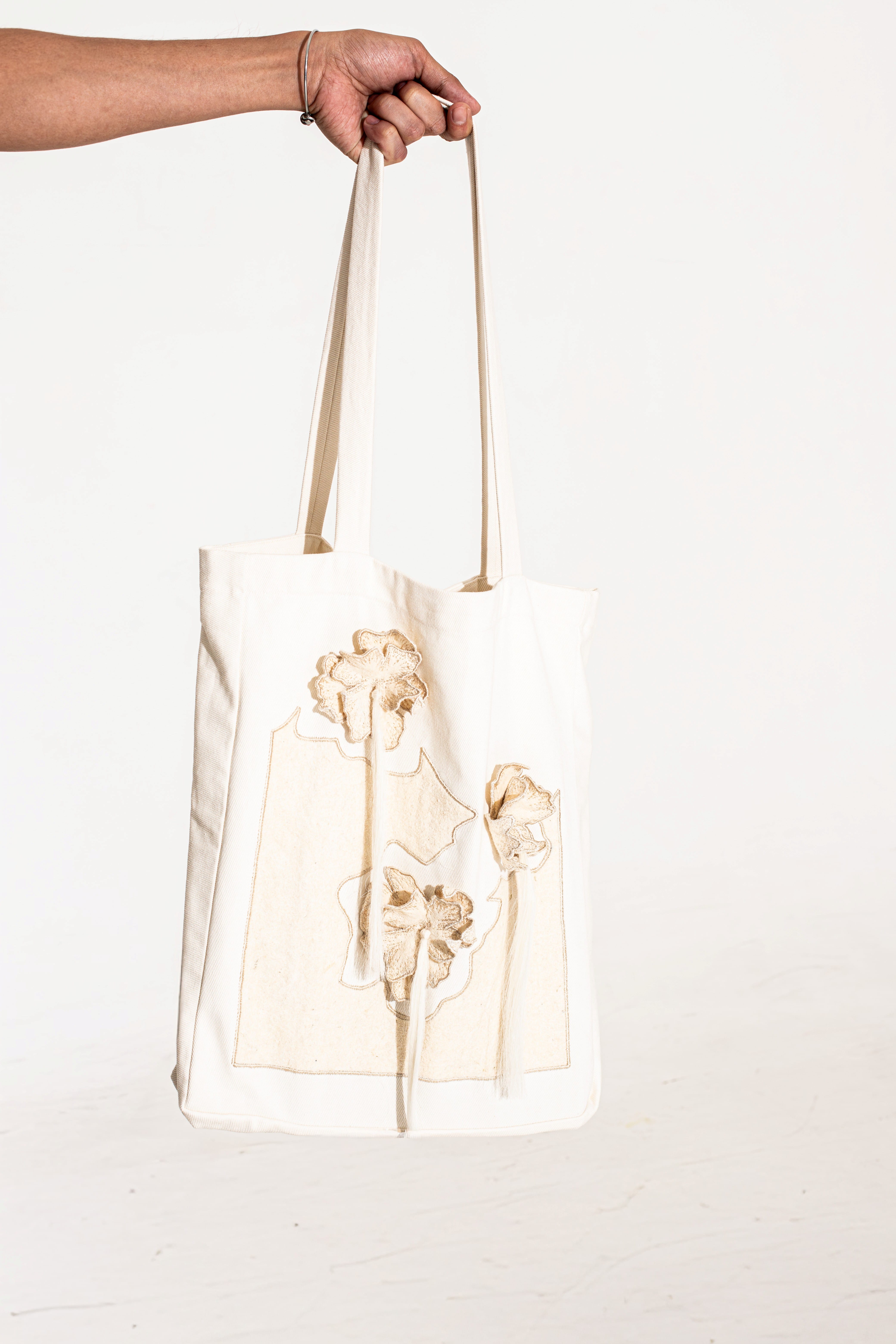
The "Letticia Tote" by fashion designer Dee Javier was designed using Hiblafelt and piña fiber tassels.
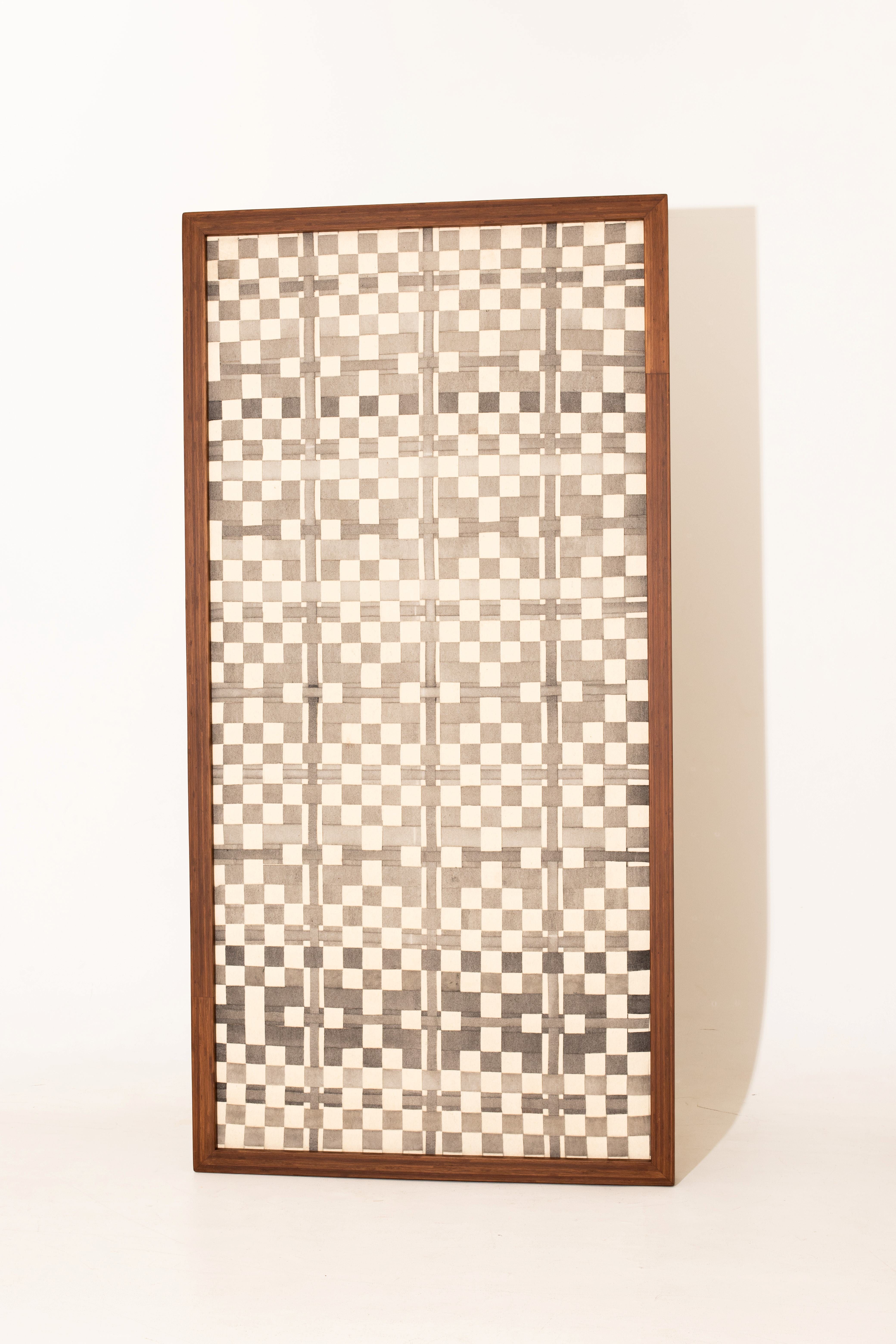
The "Binakael" by Jema Garner is a wall-mounted art piece created using pinyapel, a non-woven fabric created from pineapple fiber through a needle-punching hibla technology.
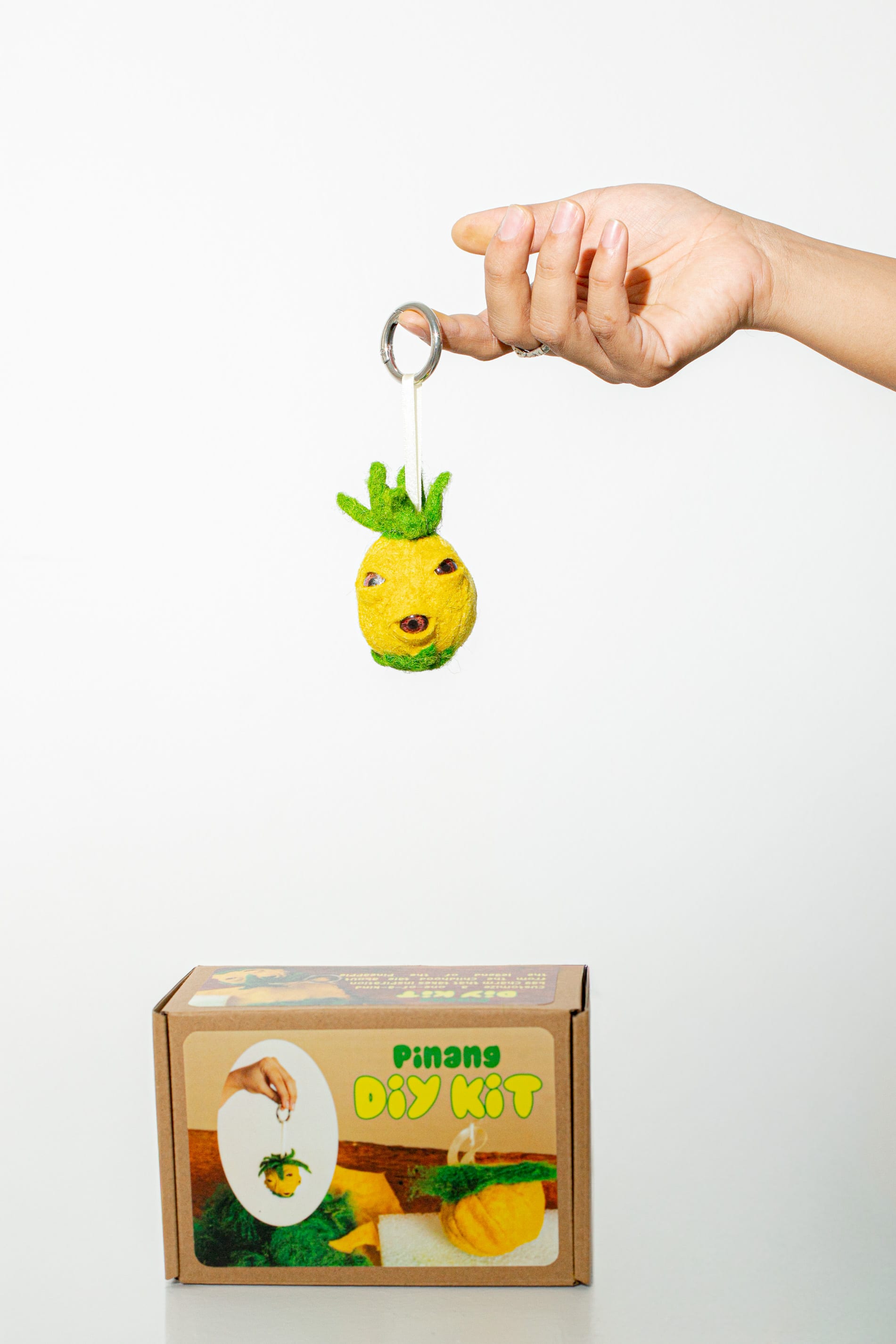
Object-based artist Razel Mari's DIY charm-making kit, the "Pinang," was conceived as an introduction to Hiblafelt's tactile process of needle felting.
photos to expand
Central to Hiblatech’s approach is the idea that innovation begins at the level of raw material. Rather than presenting Hiblafelt as a fixed end product, the company frames it as an evolving platform—open to engineering, adaptation, and continued research.
Current studies into pineapple-based fiber structures suggest promising acoustic and insulating properties. These early findings provide direction for further collaboration and experimentation across various design disciplines.
.jpg?format=original)

Hiblatech invites designers, engineers, and manufacturers to explore and test the material’s potential. As part of its ongoing educational efforts, the company will host workshops focused on deepening technical understanding and expanding possible applications.
For more information, visit hiblatech.com
Pau is Preview’s go-to fashion girl. On most days, you’ll find her with coffee in hand, and dressed in an oversized blazer with floor-grazing jeans.
Read more stories about
hibaltech ,hiblafelt ,events ,sc26 ,lch-06887 ,preview dna ,filipino designers