"Sine. Film. Pelikula" Compiles Over 100 Films That Map Philippine Cinema's History
The book moves from titles like Maynila sa Kuko ng Liwanag to One More Chance, covering different moments in Philippine cinema.

Published on Mar 20, 2026
Across decades, Philippine cinema has produced films that reflect shifts in culture, politics, and everyday life. Over time, a number of these works have come to stand out—not only for how they were made, but for how they’ve been remembered. The new book Sine. Film. Pelikula: The 100+ Greatest Films of Philippine Cinema gathers these films into a single volume, mapping out key moments in local filmmaking.
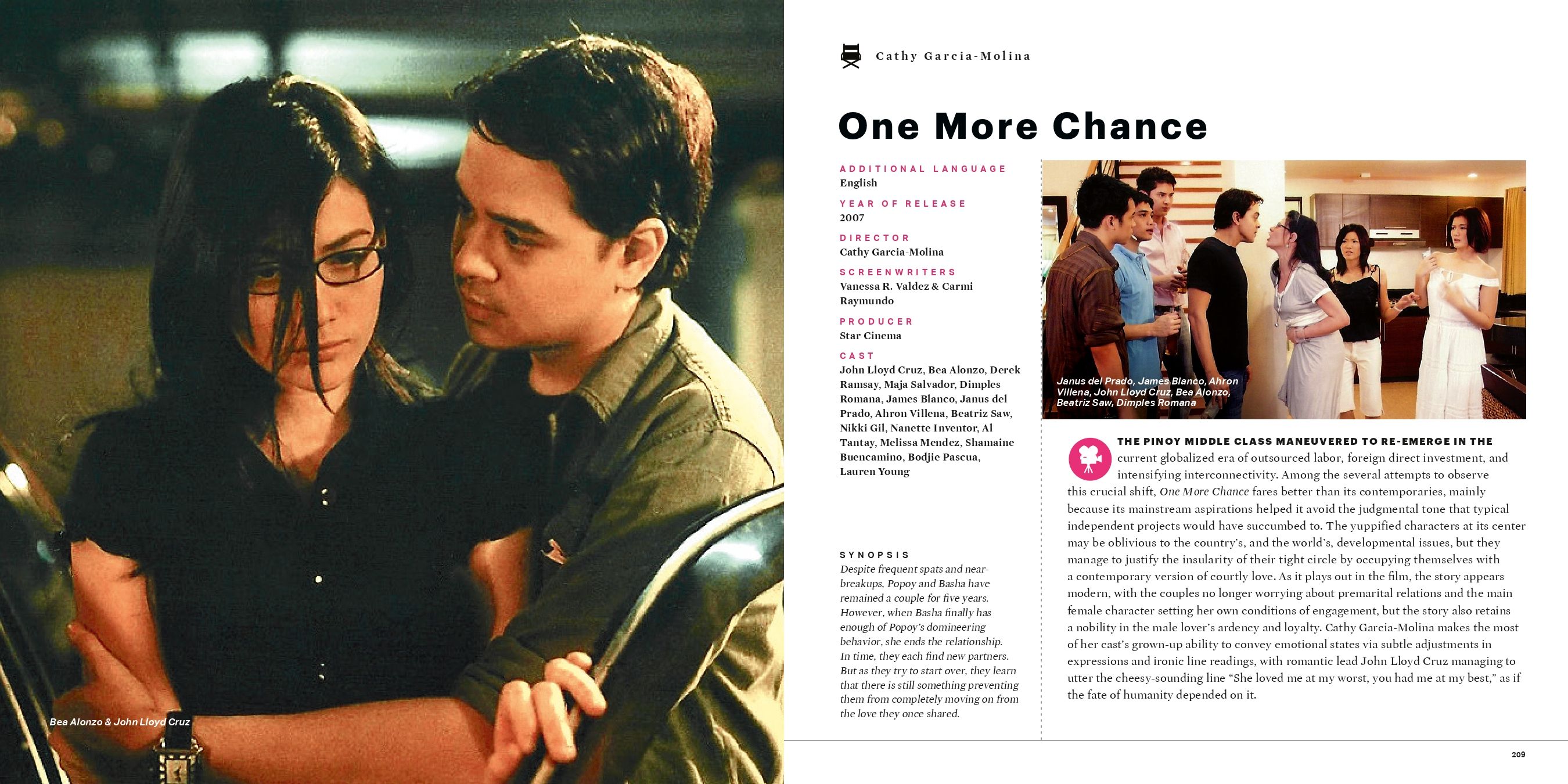
Published by Summit Books, the 300-page volume compiles 127 films released between 1937 and 2020. Each entry pairs a synopsis with a review, offering a sense of how these films were shaped by their time. Taken together, the selection spans genres and decades, pointing to the breadth of Philippine cinema.
Curated by Jo-Ann Q. Maglipon, who previously served as editor-in-chief of YES! magazine and longtime editor-in-chief of PEP.ph, in collaboration with Joel David, a film critic and cineaste with a Ph.D. in cinema studies from New York University, the book brings together films that have resonated in different ways, whether critically, commercially, or culturally.
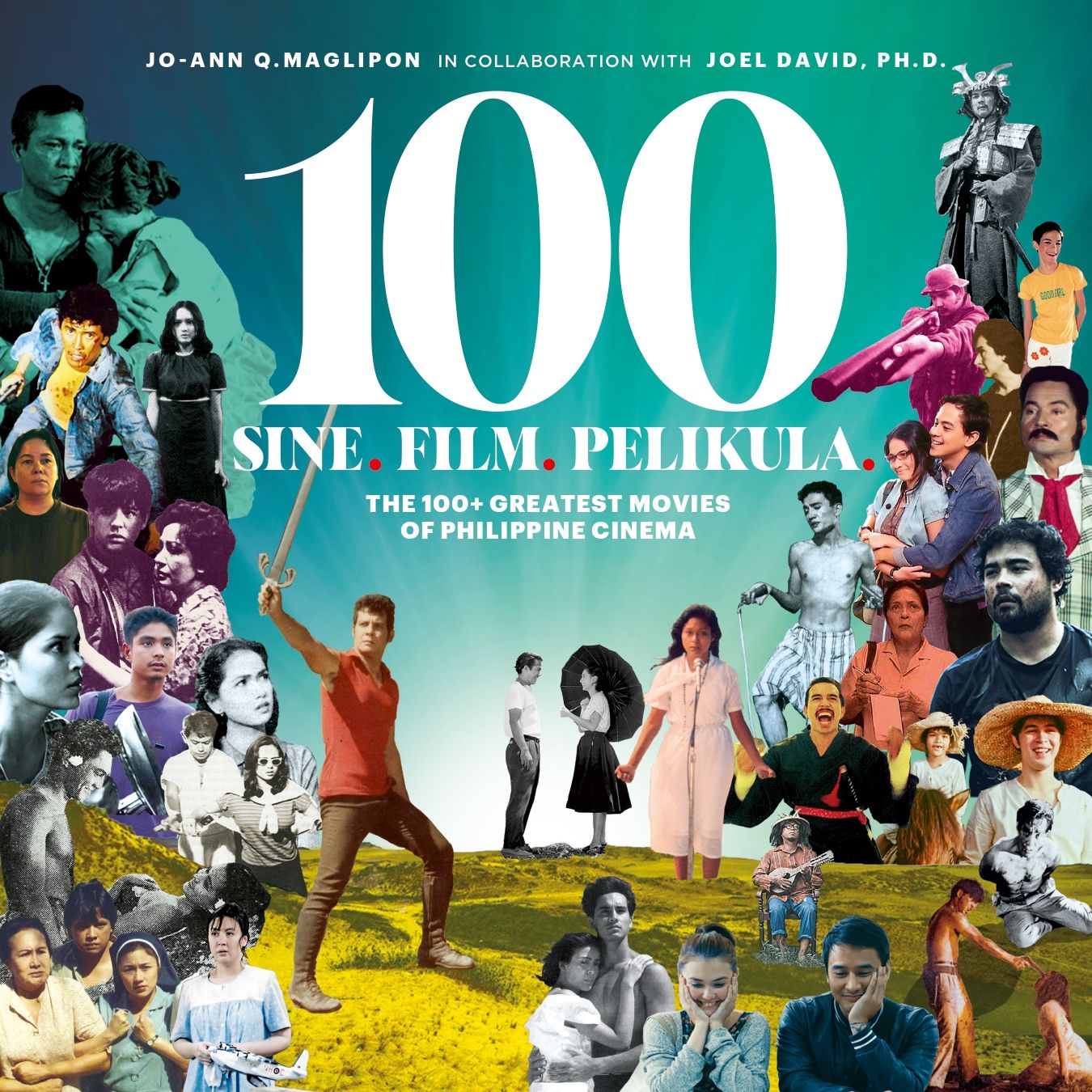
Well-known titles such as Maynila sa Kuko ng Liwanag and Manila by Night appear alongside independent works like Mababangong Bangungot and Tu Pug Imatuy. Popular releases including Ang Panday and Heneral Luna are part of the mix, as are romantic dramas like That Thing Called Tadhana and One More Chance.
Comedies are included as well, from Jack and Jill to Zombadings: Patayin sa Shokot si Remington, reflecting how humor has long been part of the local film landscape.
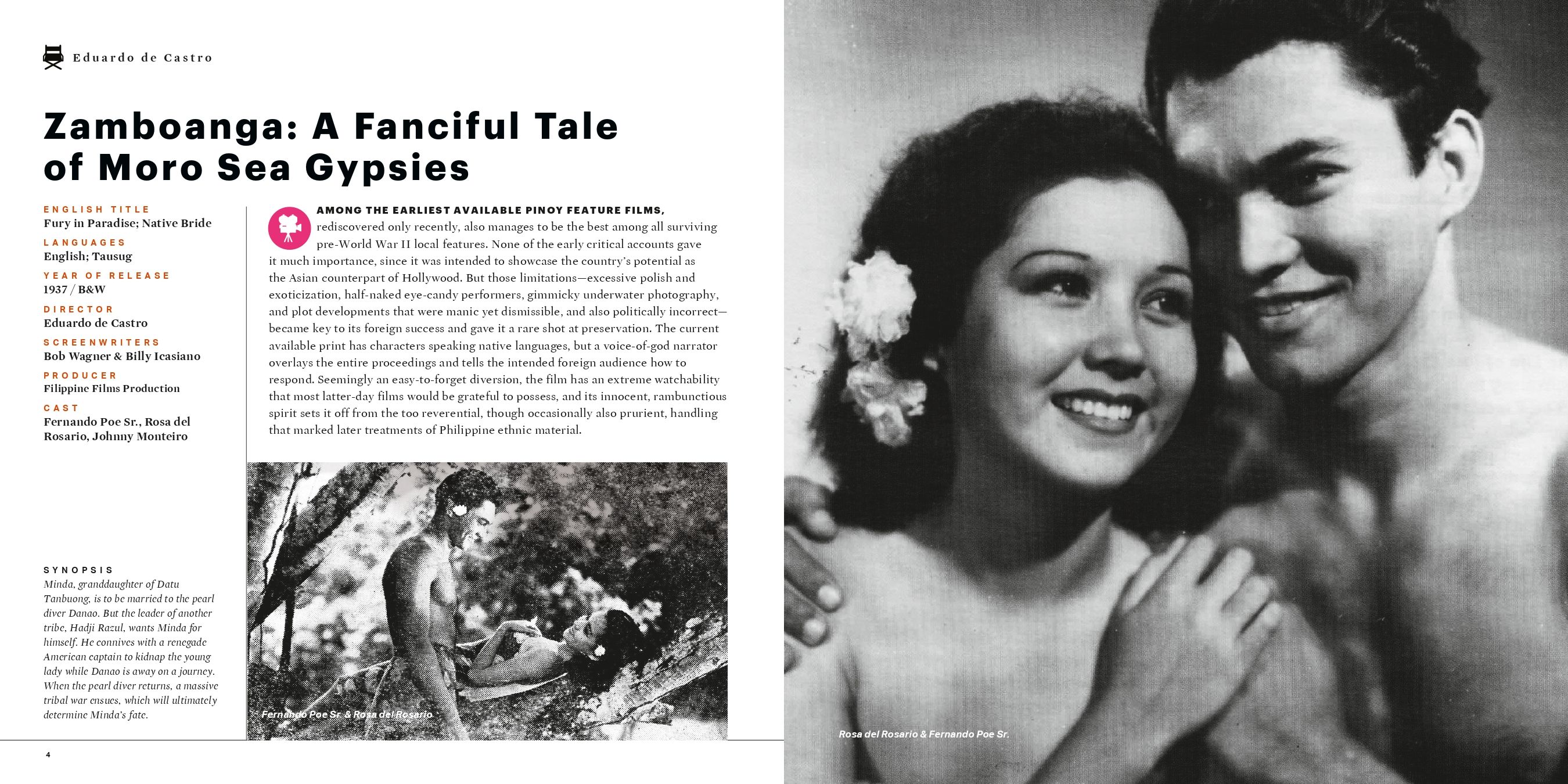
The book also includes short profiles of filmmakers who have been named National Artists, among them Manuel Conde, Eddie Romero, Mike de Leon, and Fernando Poe Jr. These sections add context to the films, situating them within the careers of the people who made them.
In her notes on the project, Jo-Ann describes the attempt to assemble a “greatest” list as “bravura,” pointing to the difficulty of defining the term. “We committed to a Greatest Films’ List, not fully understanding that ‘greatest’ was not what we were going for,” she says. “Certainly not, if listing the greatest meant comparing and ranking, pitting and judging, voting and awarding.”
The selection was shaped through months of viewing and discussion. Jo-Ann worked with a screening committee made up of the YES! editorial team, who watched films and voted on the final entries. “A List is, of course, never middling stuff,” she writes. “It takes study. It means learning. It needs expertise.” She also describes Joel as a “patient guru and generous collaborator.”
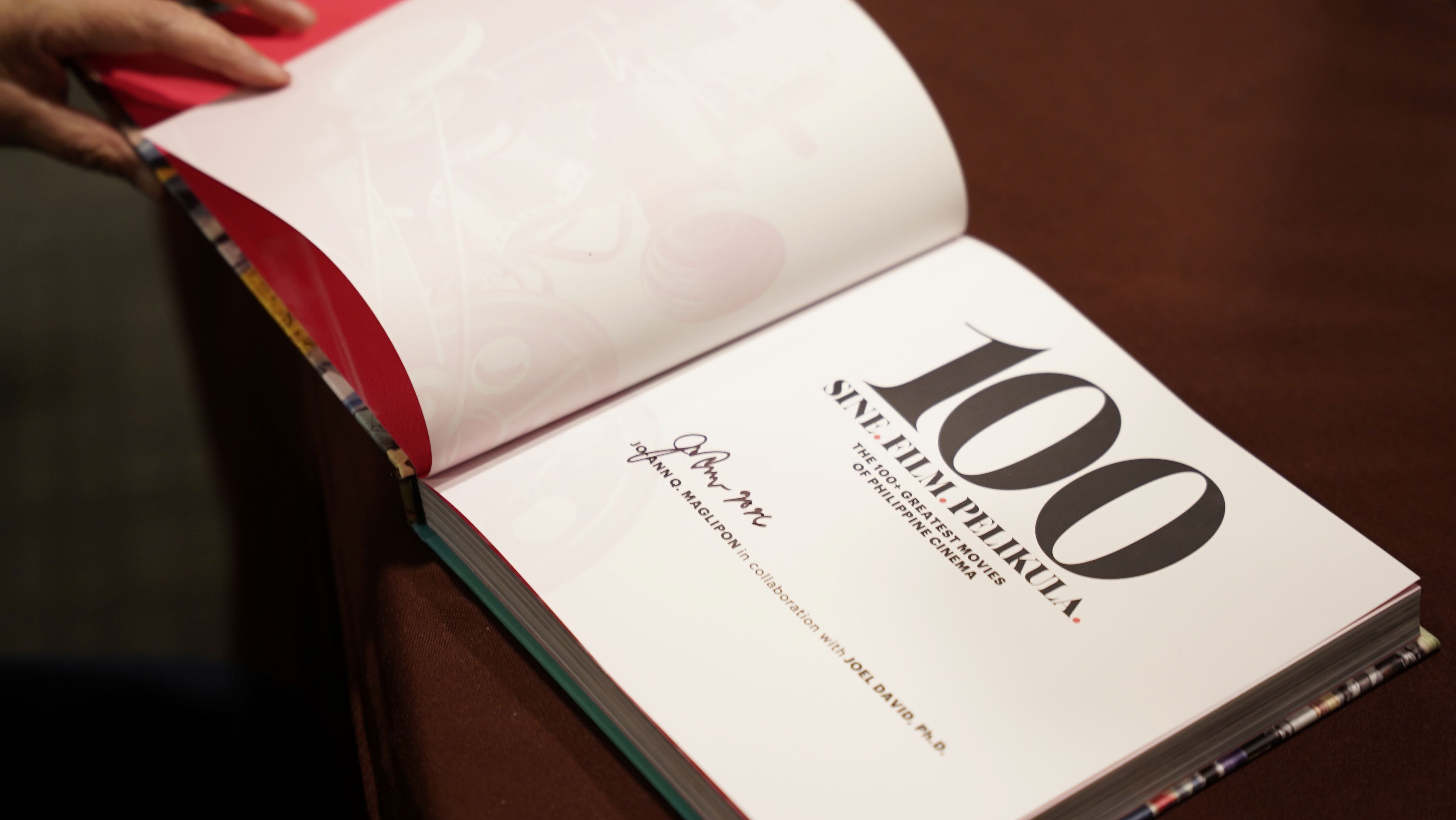
Jo-Ann notes that responses to film are influenced by a range of factors, from exposure and education to culture and lived experience. “It is taste. It is exposure. It is age. It is moral grounding. It is class background. It is education. It is time and place. It is country. It is culture. It is emotional makeup. It is IQ. It is bias.”
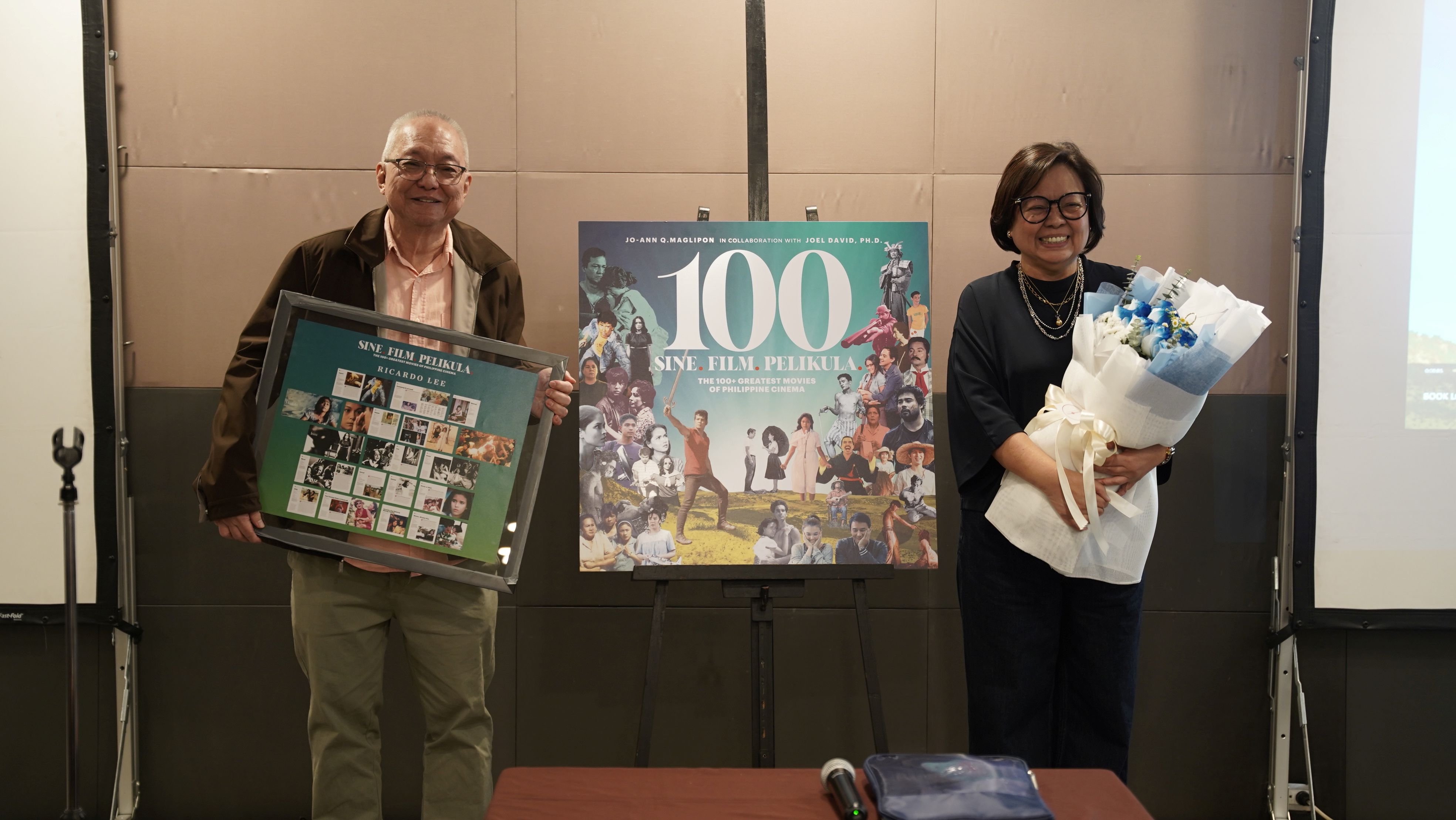
Sine. Film. Pelikula was launched on March 15 at the Philippine Book Festival, where Jo-Ann was joined by National Artist for Film and Broadcast Arts Ricky Lee. The screenwriter—whose work appears in 16 of the book’s entries—spoke about both the creative and business sides of filmmaking during the conversation.
The book is priced at P1,799 and is currently available through Shopee and Lazada, with select bookstore availability to follow.

Kat is Preview's Lifestyle Editor, explorer, and occasional rhymer. When not globe-trotting, she's over her computer, writing her next big novel.